
Best Doors & Windows for Backyard Patio: 2026 Review & Guide
Finding the perfect doors and windows for your backyard patio requires balancing weather resistance, security, and budget. This 2026 guide breaks down the best WPC options to help you make the right choice for your outdoor space.
Why Most Patio Doors Fail (And How to Avoid It)
Last month, a homeowner in coastal Florida asked us a question we hear almost every week: 'What are the absolute best doors and windows for a backyard patio that won't warp after one humid summer?'
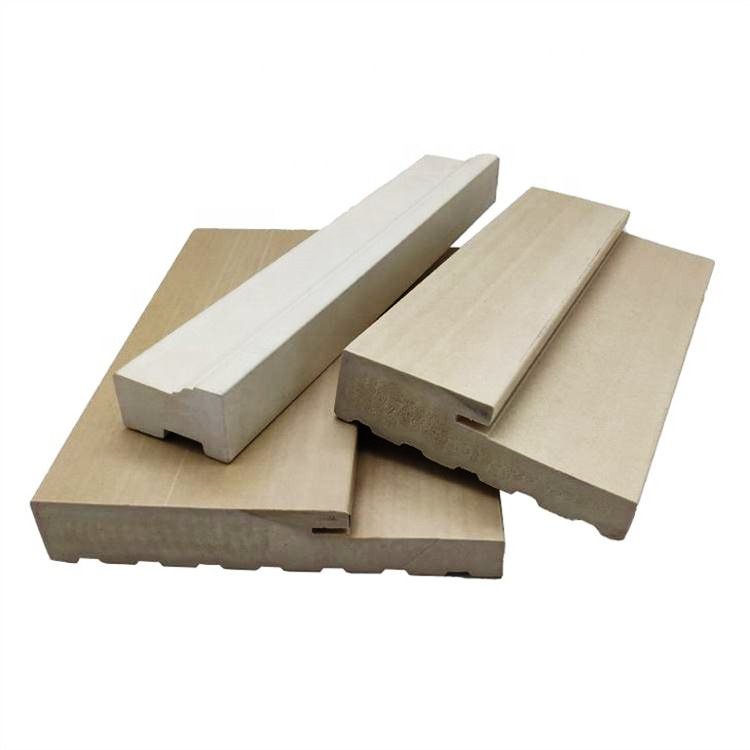
Here’s the thing. Most traditional wood frames rot. Aluminum gets blazing hot and condenses moisture. Vinyl becomes brittle. That’s why we usually point people toward Wood-Plastic Composite (WPC). But not all WPC is created equal. Finding the right fit for your specific backyard means balancing weather resistance, security, and budget.
Let's break down exactly what works, what doesn't, and which setups we actually recommend based on thousands of installations.
Key Factors for Backyard Patio Setups
When you're framing an opening between your indoor living space and the outdoors, the rules change. You're not just picking a window; you're picking a thermal and moisture barrier.
Moisture & Humidity: Backyards get wet. Splashing from the pool, rain, morning dew. The material needs a near-zero water absorption rate (under 1% is ideal).
UV Stability: Direct afternoon sun will bleach cheap materials. You want a UV Grade of 4-5 to prevent fading.
Thermal Break & Insulation: If you're running the AC, you don't want cold air leaking out. WPC naturally insulates better than aluminum, but the glass matters too.
Security: Ground-floor patio doors are vulnerable. Multi-point locking systems are non-negotiable.
Top 5 WPC Options for Your Patio
We’ve tested dozens of profiles. Here are the ones that consistently perform best in real-world backyard scenarios.
1. Solid Core WPC Sliding Patio Doors
This is our bread and butter. About 70% of our customers choose this setup. They glide easily, don't swing out into your patio furniture, and offer massive glass areas. The solid core WPC frame resists warping even in 100-degree heat.
The catch? They only open 50% of the total width. If you want a fully open wall, look at bi-folds.
2. French Style WPC Doors with Double Glazing
If your patio has a more traditional or rustic vibe, French doors look incredible. We pair our WPC doors with double-glazed Low-E glass. The thermal break keeps the heat out, and the multi-point locks make them surprisingly secure.
Honest downside: They require more clearance to swing open. Not ideal for narrow, tight patios.
3. Fixed Picture Windows with WPC Frames
Sometimes the best window is one that doesn't open. If you have an amazing view and rely on central air, fixed picture windows framed in WPC give you maximum glass and zero drafts. Plus, there are no moving parts to break.
4. Casement WPC Windows for Cross-Ventilation
For the sides of your patio where you actually want a breeze, casement windows are king. They crank open outward, catching the wind and funneling it inside. Our WPC windows in this style seal incredibly tight when closed, keeping the bugs out.
5. Bi-fold WPC Door Systems
This is the premium move. Bi-folds fold up like an accordion, completely removing the barrier between your living room and the patio. It’s stunning. But it’s also heavy, complex, and requires a perfectly level threshold.
Budget Recommendations: What Should You Spend?
Let's be honest, WPC isn't the cheapest option upfront. It’s roughly 15-20% more expensive than basic vinyl, but the lifespan is about 30% longer.
Best Budget Pick: Standard sliding patio doors with single glazing. Expect to pay around $45 to $55 per square foot. Great for covered patios where extreme insulation isn't critical.
Best Mid-Range: French or sliding doors with double-glazed Low-E glass. Roughly $60 to $75 per square foot. This is the sweet spot for 90% of homeowners.
Best Premium: Bi-fold systems with triple glazing. You're looking at $90+ per square foot. Only worth it if you're doing a major luxury remodel.
Installation & Maintenance: The Reality
Here’s what nobody tells you about installing patio doors: the frame is only half the battle. The flashing and sealing take just as much time.
For a standard 200 sq ft patio enclosure with a few sliding doors and windows, expect the install to take about 2-3 days. Bi-folds? Add another day for the calibration alone.
As for maintenance, this is where WPC shines. Forget sanding, staining, or painting. A quick wipe down with soapy water twice a year is all it takes. The tracks on sliding doors might need a quick vacuum every few months to keep them gliding smoothly.
Frequently Asked Questions
Are WPC frames as strong as aluminum?
For residential patio doors, absolutely. We reinforce our WPC frames with galvanized steel inserts in the main locking rails. They easily pass the B1 fire rating and handle high wind loads without flexing.
Can I paint my WPC patio doors if I change my mind?
You can, but we rarely recommend it. The factory finish is co-extruded, meaning the color goes all the way through. If it gets scratched, it’s the same color underneath. Painting voids the 25-year warranty (though realistically, you'll get 15-20 years in harsh climates anyway).
Do WPC windows expand and contract a lot?
Less than you'd think. WPC expands at roughly half the rate of PVC. We always leave a 1/4-inch expansion gap during installation, and it handles the thermal shifts beautifully.
What's the best glass for a sunny backyard?
Double-pane Low-E glass with argon gas. It blocks about 70-80% of UV rays, keeping your patio furniture from fading and your house from turning into a greenhouse.
Choosing the right doors and windows doesn't have to be a headache. If you prioritize moisture resistance and low maintenance, WPC is hard to beat. Take a look at your specific patio layout, measure twice, and don't skimp on the glass quality. Your future self—sipping coffee on the patio without worrying about rotting frames—will thank you.