
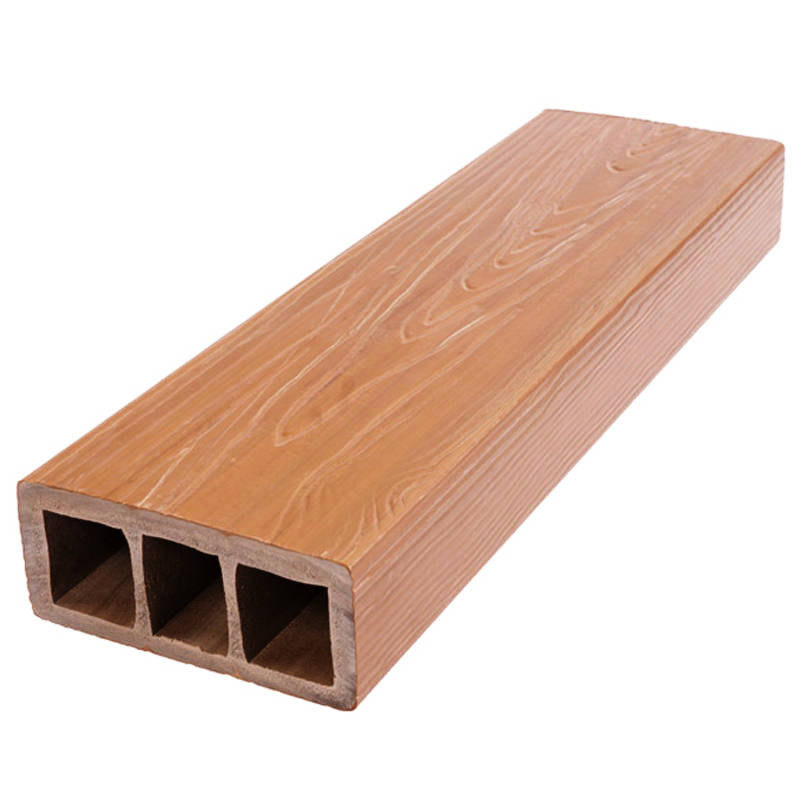
Best Railing for Deck Stairs: The Complete WPC Guide 2026
Looking for the best railing for deck stairs? We break down the top WPC options, real-world costs, and installation quirks to help you make the right choice in 2026.
Why Stairs Change Everything
Last month, a homeowner called us in a panic. They had just finished building a beautiful elevated deck using our composite decking, but the cheap aluminum stair railing they bought from a big-box store looked terrible and felt flimsy. They wanted to know: what is actually the best railing for deck stairs?
Let’s be honest. Stairs are the hardest part of a deck to get right. You’re dealing with steep inclines, strict building codes, and high foot traffic. What works perfectly for a flat perimeter often looks awkward or fails code on a staircase.
From what we’ve installed over the last decade, WPC (Wood Plastic Composite) consistently takes the crown for stair applications. But not all WPC railings are created equal. Here’s what we’ve noticed when it comes to picking the right one.
Key Factors That Actually Matter for Stairs
Before we dive into specific styles, you need to understand the unique demands of a staircase. It’s not just about looks.
Grip and Feel: When you’re navigating steps, your hand needs a secure grip. Smooth, round metal gets slippery. A textured WPC top rail offers much better friction, especially in humid climates.
Code Compliance: The 4-inch sphere rule is strict on stairs. If the gap between balusters is too wide, it fails inspection. WPC square balusters usually nail this right out of the box.
Structural Rigidity: Stair rails take a lot of lateral force. People lean on them heavily when climbing. You need a system with thick wall profiles, not the thinnest, cheapest extrusion you can find.
The Top 5 WPC Railing Styles for Deck Stairs
There’s no one-size-fits-all answer. The "best" option depends on your budget, your view, and your local inspector's mood. Here is how the top options stack up in real life.
1. Classic Square Baluster WPC (The Reliable Workhorse)
This is what about 70% of our customers end up choosing. It’s traditional, it’s code-compliant, and it feels incredibly solid. The square profile gives a substantial grip, and the uniform spacing looks clean from every angle.
The catch? It blocks a bit of the view. If your deck is up high and you want to see the yard, this will create a visual barrier. But for safety and pure durability, it’s hard to beat.
2. WPC with Tempered Glass Infill (The Luxury Pick)
If you want to show off the landscape, this is it. You get the structural top and bottom rails made from WPC, but the space between is filled with frameless tempered glass. It looks stunning and requires almost zero maintenance.
The downside: It’s pricey. You’re looking at roughly 40-50% more expensive upfront compared to standard balusters. Plus, you’ll still need to clean the glass if you live near a dusty road or pollen-heavy area.
3. WPC with Horizontal Cable (The Modern Compromise)
Horizontal cables are super trendy. Using a WPC top rail and posts with stainless steel cables running horizontally gives a very sleek, modern vibe.
But here’s what nobody tells you: cable railings on stairs are a headache to tension properly. Because the stairs are angled, getting the cables perfectly tight without them sagging over time requires specific stair-tensioner kits. It’s doable, but your installer needs to know exactly what they’re doing.
4. Solid Privacy Panel WPC (The Wind Blocker)
Instead of individual balusters, this style uses solid WPC panels between the posts. It’s fantastic if your stairs are exposed to heavy wind or if you need to block the view of a neighbor's AC unit.
Frankly, it can make the stairwell feel a bit enclosed. We usually recommend this only for shorter stair runs (under 10 steps) so it doesn't feel like you're walking into a tunnel.
5. Slim-Profile Round Baluster WPC (The Minimalist)
If you want something lighter than the square balusters but don't want to pay for glass, slim round WPC balusters are a great middle ground. They let more light through and give a slightly more contemporary feel.
Just make sure the spacing is tight enough to pass the 4-inch code check. Because they are thinner, they can feel a bit less substantial in the hand compared to the square ones.
Budget Recommendations for 2026
Pricing fluctuates, but here is a realistic ballpark for materials only, per linear foot, based on current market rates.
Budget Pick ($45 - $60/ft): Classic square or slim round balusters. You get the core benefits of WPC without paying for fancy infills.
Mid-Range ($65 - $85/ft): Premium wood-grain textured WPC with upgraded aluminum internal stiffeners for extra rigidity.
Premium ($95 - $140/ft): WPC frames with tempered glass or complex cable infill systems.
Keep in mind, stair installations usually carry a 20-30% labor premium compared to flat deck runs because of the extra cutting and fitting required.
Installation & Maintenance Realities
One of the biggest advantages of choosing a dedicated WPC railing system is the maintenance. Unlike wood, which needs sanding and staining every couple of years, WPC just needs soap and water.
For stairs specifically, pay attention to the post mounting. Stair posts take a lot of dynamic load. We highly recommend using through-bolted post anchors or specialized stair bracket kits rather than just surface-mounting them to the deck framing.
Also, look for UV stability. Our top-tier WPC railings feature a UV Grade of 4-5, meaning they won't fade into a chalky mess after a few harsh summers. They also carry a B1 fire rating, which is crucial if your stairs are near a grill or fire pit.
Frequently Asked Questions
Can I just use the same flat railing sections on my stairs?
Generally, no. Flat sections are designed for level installations. If you try to "step" them on a stair run, you’ll end up with awkward gaps and non-compliant heights. You need stair-specific sections or adjustable angle brackets.
Does WPC get slippery when wet?
The balusters and posts don't, obviously. But the top rail can get slick if it has a very smooth, glossy finish. We always recommend choosing a matte or textured wood-grain finish for the top cap rail to ensure a secure grip when your hands are wet.
How long will a WPC stair railing actually last?
Most reputable manufacturers offer a 25-year warranty against fading and staining. In our experience, realistically, you’re looking at 15 to 20 years of flawless performance in harsh climates before you might even think about replacing it.
Is WPC stronger than aluminum for stairs?
It depends on the profile. A thick, multi-chamber WPC railing with an aluminum internal core is incredibly strong and feels much more solid to the touch than hollow aluminum. Pure, thin-walled aluminum might have a higher tensile strength, but WPC offers better impact resistance and won't dent if someone drops a heavy tool on it.
Making the Final Call
Finding the best railing for deck stairs really comes down to balancing your budget with your safety needs. If you want a foolproof, low-maintenance option that will pass inspection on the first try, stick with the classic square baluster WPC. If you have the budget and want to maximize your view, the glass infill is worth every penny.
Whatever you choose, don't cut corners on the stair brackets and post anchors. The railing is only as good as its weakest connection point.