
Best Railing for Deck Stairs: Top WPC Picks & Guide (2026)
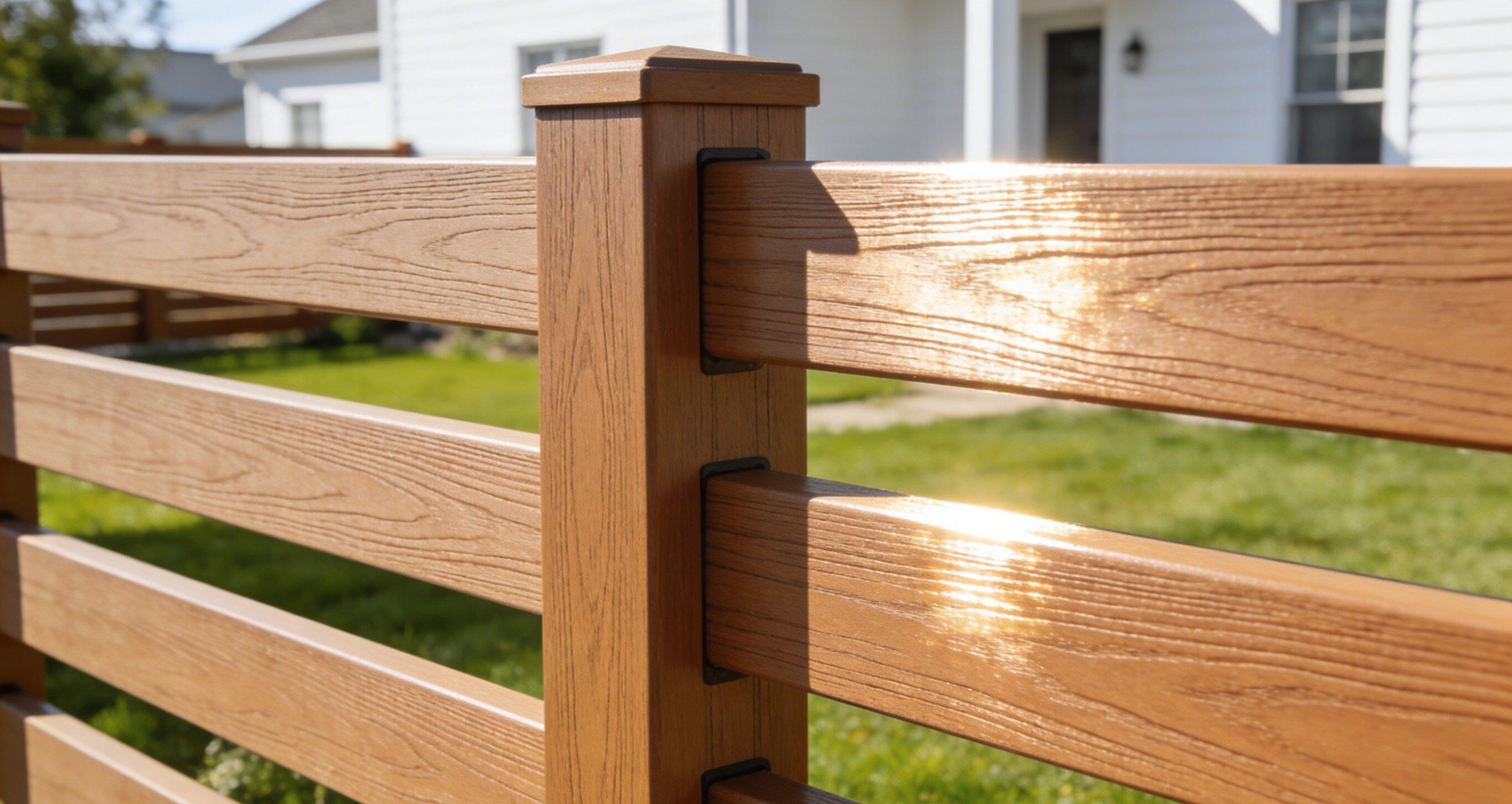
Finding the best railing for deck stairs means balancing safety codes with aesthetic flow. We’ve tested dozens of WPC options to find the ones that actually hold up to daily foot traffic and weather.
The Hidden Challenges of Stair Railings
Last week, a contractor called us frustrated. He’d installed a gorgeous flat-top composite railing on a steep exterior stair run, only to have the building inspector fail it. Why? The top rail wasn't "graspable."
Finding the best railing for deck stairs isn't just about picking a color that matches your decking. It’s about balancing strict safety codes, structural weight limits, and everyday usability. We’ve evaluated dozens of setups over the years, and frankly, stairs change the game entirely compared to flat deck perimeters. Here is what actually works in the real world.
Key Factors for Stair Scenarios
Let’s be honest, flat deck railings get all the glory in brochures. But stairs? That’s where the rubber meets the road. When you're navigating steps, your hand needs a secure grip. A wide, flat top rail looks amazing in a showroom, but it’s practically useless when you're carrying groceries up a 12-step rise in the rain.
Then there's the weight. WPC is denser than aluminum or PVC. On a flat run, that’s fine. On a stair stringer, that extra mass puts serious leverage on your bottom posts. If you don't reinforce those connections, the whole system can feel wobbly over time.
Before we get to specific profiles, here’s what you actually need to look for:
Graspability: Building codes generally require a circular cross-section between 1.25 and 2 inches in diameter, or a non-circular shape with a specific perimeter. If it’s too wide or flat, it fails inspection.
Post Spacing & Reinforcement: Because WPC balusters and top rails are heavy, standard 6-foot post spacing might sag on stairs. We usually recommend dropping to 4-foot or 5-foot centers for stair runs.
Baluster Gap: The classic 4-inch sphere rule applies here. Kids' heads get stuck. Don't mess with this.
Slip Resistance: The top rail might get wet from hand sweat or rain. A textured finish is non-negotiable for stairs.
Top WPC Railing Options for Deck Stairs
We tested five distinct profiles for stair applications. Here’s how they stack up.
1. Classic Round Top Rail (The Inspector’s Favorite)
This is your 1.5-inch or 2-inch diameter round cap. It’s the undisputed king of code compliance.
Pros: Perfectly graspable, excellent water runoff, feels incredibly solid in the hand.
Cons: Can look a bit traditional or dated if you're going for an ultra-modern aesthetic.
Verdict: If you just want to pass inspection without a headache and need a reliable grip, this is it.
2. Textured Wood-Grain Square Rail (The Modern Compromise)
Square rails look sharp, but a smooth square rail fails the graspability test. The workaround? A deeply textured, wood-grain embossed square top rail that meets the perimeter requirements for non-circular graspable shapes.
Pros: Modern look, great grip thanks to the embossing, hides fingerprints well.
Cons: The texture can trap dirt in high-pollen areas. You'll need to wipe it down occasionally.
3. Slim Aluminum-Infill WPC System
Here’s a hybrid approach. You get WPC top and bottom rails with aluminum balusters in between.
Pros: Cuts the overall weight by roughly 30%, taking stress off your stair posts. Gives you a wider view.
Cons: More expensive upfront (about 15-20% more). The metal-to-composite transition joints can sometimes collect moisture if not sealed properly.
4. Wide Flat Top Rail with Integrated Handrail
Wait, didn't I just say flat rails are bad for stairs? Yes. But some manufacturers offer a "dual-tier" system. The main top rail is wide and flat (for setting a drink when you reach the landing), but it has a built-in, rounded secondary handrail on the inner edge.
Pros: Best of both worlds. Beautiful flat surface, code-compliant grip.
Cons: Bulky. It adds significant visual weight to the stair line.
5. Glass-Infill Composite Railing
Using composite posts and rails with tempered glass panels.
Pros: Unobstructed views, highly premium feel.
Cons: Glass is heavy. On stairs, the wind load combined with the weight of the glass requires beefy, steel-reinforced composite posts. It’s also the most expensive option, pushing past $120 per linear foot.
Budget Recommendations
Pricing varies, but here’s what you should expect to spend on materials alone for a WPC stair railing.
Best Budget Pick: Basic round top rail with standard composite balusters. Expect to pay around $45 to $55 per linear foot. It’s not flashy, but it gets the job done safely.
Best Mid-Range: The textured square rail or the aluminum-infill hybrid. Roughly $65 to $85 per linear foot. This is where about 70% of our customers land. You get better aesthetics without blowing the budget.
Best Premium: Dual-tier flat rail or glass-infill systems. $100+ per linear foot. Go here only if the stairway is a major focal point of your outdoor living space.
Installation Realities
Let’s talk about the actual build. Installing railing on stairs takes about 2-3 days for a standard 200 sq ft deck with a 12-step run, compared to maybe 1 day for the flat perimeter.
The trickiest part is the stair bracket connections. You’re dealing with angles (usually 30 to 40 degrees). Make sure your post anchors are rated for the extra shear force. We’ve seen standard deck-mount brackets rip right out of the rim board on steep stairs. Use through-bolting with backing plates whenever possible.
And don't forget the finish. Even though our WPC railing comes with a UV Grade 4-5 rating, B1 fire rating, and a 25-year warranty, the cut ends on stairs need to be sealed. Water loves to wick into exposed composite cores.
Frequently Asked Questions
Can I use the exact same railing profile for my stairs and my flat deck?
Usually, yes, but you have to be careful. If you choose a flat top rail for the deck, you’ll need to swap to a round or graspable profile for the stairs to meet code. It’s often easier to just use a graspable profile for the whole project to keep it uniform.
How do I clean WPC stair railings?
Most of the time, just soap and water. For the textured profiles, use a soft bristle brush to get into the grain. Avoid pressure washers on a high setting; you can actually strip the protective cap layer if you get too close.
Do WPC railings get hot in the sun?
They do, especially darker colors. If your stairs face direct southern sun, the top rail can reach 120°F+ on a hot day. Lighter colors like teak or grey stay about 15-20 degrees cooler.
What if my stair stringers aren't perfectly level?
Composite is rigid. If your framing is off by even half an inch, the railing won't line up. Fix your framing first. Don't try to force the railing to compensate for bad carpentry.
Choosing the best railing for deck stairs ultimately comes down to respecting the physics of the space. It needs to hold you when you slip, pass the inspector's 4-inch sphere test, and look good doing it. If you're ready to spec out your project, check out our composite building materials to see how we can match your WPC decking perfectly.