
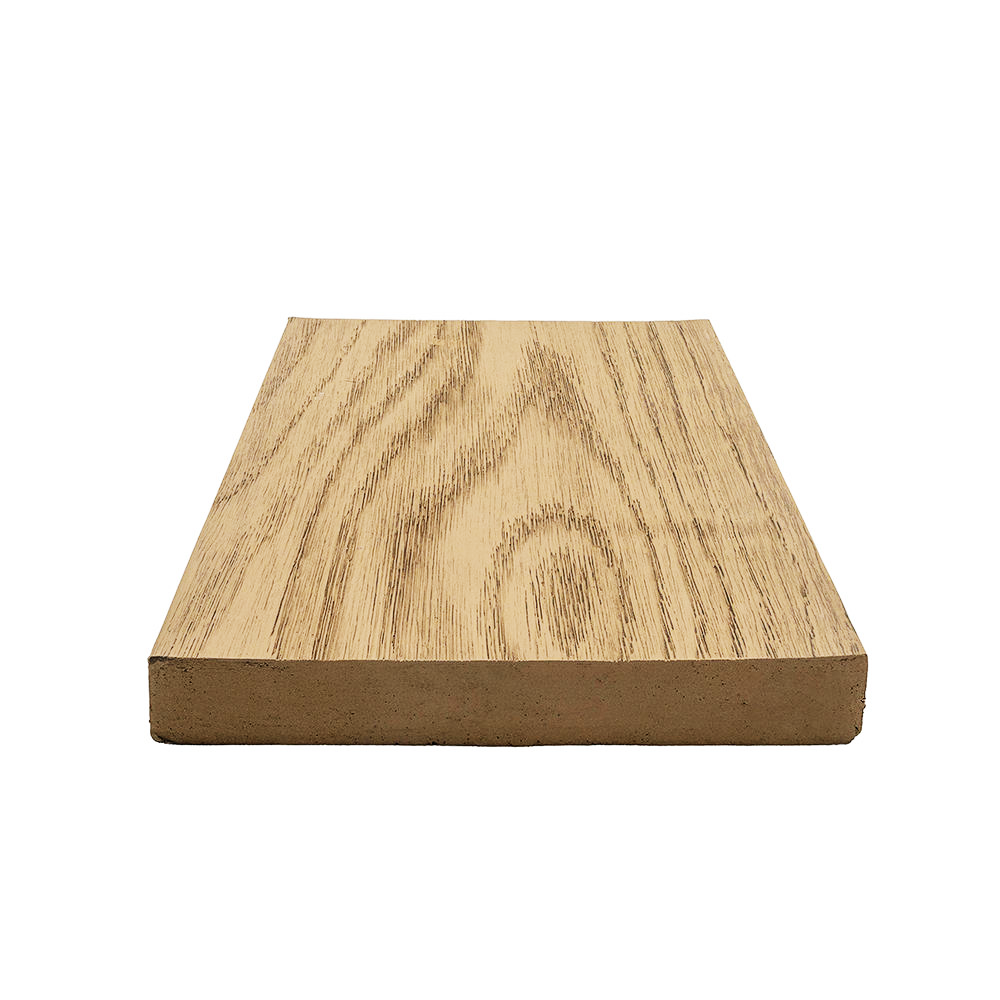
Co-Extruded WPC Deck Board: Material Structure, Features & Application Guide
Learn all about co-extruded WPC deck boards, including internal structure, ASA protective layer performance, core advantages, color customization and wide application scenarios for residential yards, coastal areas, hotels and municipal landscape engineering projects.
Co-Extruded WPC Deck Board: Material Structure, Features & Application Guide
1. What Is Co-Extruded WPC Deck Board?
Co-extruded WPC deck board is the upgraded generation of traditional wood plastic composite flooring, manufactured through one-step dual-layer co-extrusion molding technology. It consists of two core parts: the inner WPC substrate and the outer ASA polymer protective cap layer.
The inner substrate is made of recycled wood fiber and HDPE/PVC resin, providing stable load-bearing capacity, impact resistance and structural toughness. The outer dense ASA co-extruded layer completely wraps the substrate, isolating the core material from ultraviolet rays, rainwater, salt fog, stains and external friction, solving almost all the durability pain points of uncapped WPC and natural wood decking.
As the mainstream outdoor flooring material for high-end residential and commercial projects, co-extruded WPC deck boards have become the preferred choice for North America, Europe and coastal global regions.
2. Internal Structure of Co-Extruded WPC Deck Board
2.1 Inner WPC Substrate Layer
Raw material: Recycled wood flour + high-density plastic resin + anti-aging auxiliary agent
Core function: Support overall structural strength, guarantee bending resistance, load-bearing performance and dimensional stability
Common structures: Solid core, hollow square hole, hollow round hole, suitable for different load scenarios of residential and commercial projects
Feature: Good processability, can be cut, drilled and fixed just like natural wood
2.2 Outer ASA Co-Extruded Protective Cap Layer
Raw material: High weather-resistant ASA engineering polymer
Core function: Fully seal and protect the substrate, block water, UV, salt, mold, oil and dirt penetration
Thickness: Conventional 0.4mm~0.6mm uniform dense coating, no gaps or local thin layers
Core value: Realize 15-year color fastness warranty, anti-stain, anti-scratch and low-maintenance performance
3. 7 Core Advantages of Co-Extruded WPC Deck Boards
3.1 Excellent UV Fading Resistance
The ASA outer layer adds high-efficiency UV stabilizer, which can resist long-term strong sunlight irradiation. Under normal outdoor use, there is no obvious discoloration and whitening within 15 years, completely avoiding the graying and color loss defects of ordinary uncapped WPC deck boards.
3.2 Fully Waterproof & Anti-Mold Performance
The closed seamless protective layer prevents water molecules from penetrating into the wood fiber substrate. Even in rainy seasons, coastal high-humidity and poolside wet environments, the deck board will not absorb water, expand, deform or breed mold and algae.
3.3 Strong Stain & Scratch Resistance
Barbecue oil, beverage spills, mud and dust can only stay on the surface of the cap layer, which can be cleaned with clean water and neutral detergent. The high-hardness ASA layer resists scratches from pet claws, outdoor furniture and frequent pedestrian friction, keeping the surface intact for decades.
3.4 Termite & Pest Proof
No organic nutrients inside the co-extruded board, termites, ants and other pests cannot corrode and gnaw the deck, effectively avoiding the hidden danger of structural damage often encountered in natural wooden decks.
3.5 Low Long-Term Maintenance Cost
No regular sanding, paint brushing, waterproof sealing or anti-mold treatment is required after installation. Daily maintenance only needs simple water flushing, which saves a lot of labor and material maintenance costs for homeowners and property management departments.
3.6 Diversified Customization Ability
Support customized wood grain embossing textures, matte/slightly glossy surface, multiple classic wood color options, and customized board thickness, width, length for large projects, matching modern, coastal, farmhouse and other mainstream architectural styles.
3.7 Safe Eco-Friendly Performance
Formaldehyde-free, non-toxic and harmless raw materials, with Class B fire retardant performance, in line with international environmental protection and public building safety certification standards, safe for families, children, pets and dense crowd commercial scenarios.
4. Main Application Scenarios of Co-Extruded WPC Deck Boards
4.1 Residential Outdoor Scenarios
Backyard patio, villa courtyard leisure terrace flooring
Rooftop, high-rise balcony outdoor decorative decking
Swimming pool surrounding anti-slip walkway, garden landscape footpath
4.2 Commercial & Tourism Scenarios
Resort, hotel, café outdoor terrace flooring
Coastal scenic area boardwalk, viewing platform pavement
Shopping plaza, community public leisure activity ground
4.3 Municipal & Landscape Engineering Scenarios
Urban park wetland pedestrian path, riverside waterfront trail
Cultural tourism town, homestay cluster supporting outdoor flooring projects
5. Comparison: Co-Extruded WPC vs Uncapped WPC vs Natural Wood Deck Board
表格
Comparison Item | Co-Extruded WPC Deck | Uncapped WPC Deck | Natural Wood Deck |
|---|---|---|---|
UV Color Retention | 15-year anti-fade warranty | Fades obviously within 3-5 years | Turns gray in 2-3 years |
Stain & Scratch Resistance | Excellent, easy to clean | Easy to absorb oil & scratch | Easy to stain, splinter easily |
Waterproof & Anti-Mold | Fully resistant | Easy to absorb moisture & mold | Severe water absorption & mildew |
Annual Maintenance | Only water cleaning required | Regular sealing maintenance | Sanding, painting, anti-corrosion every year |
Service Life | 25-30 years | 12-18 years | 8-15 years |
6. FAQs
Q1: What is the difference between hollow and solid co-extruded WPC deck boards?
A: Hollow deck boards are light in weight, cost-effective, suitable for conventional residential patio use; solid core boards have stronger load-bearing and impact resistance, recommended for commercial high-traffic areas, poolside and coastal projects.
Q2: Can co-extruded WPC deck boards be installed directly on cement ground?
A: Conventional grooved co-extruded deck needs to be laid on galvanized steel or wooden joists to reserve ventilation gaps; interlocking type co-extruded PVC deck can be directly laid on flat and smooth cement base.
Q3: How many colors are available for co-extruded WPC deck boards?
A: We provide more than 10 mainstream classic wood grain colors including teak, walnut, gray oak, weathered brown, and support personalized color tuning for bulk orders over 500 square meters.
Q4: Do you provide material test reports for engineering bidding?
A: All Aorai co-extruded WPC deck boards have passed UV aging, salt spray, fire retardant, anti-slip and environmental protection tests, and can provide complete English certification documents for project bidding, acceptance and filing.
7. Why Choose Aorai Co-Extruded WPC Deck Boards
As a professional WPC building material manufacturer with mature co-extrusion production technology, Aorai strictly controls each production process from raw material formula to ASA co-extrusion coating. We provide free color samples, technical parameter manuals, CAD installation drawings, global remote construction guidance and factory competitive wholesale prices for global homeowners, deck contractors and landscape engineering companies.
Contact our sales team to obtain co-extruded WPC deck board samples, detailed specification sheets and exclusive project quotation for your outdoor renovation or landscape engineering project.