
Extrusion Die (PVC/WPC) Maintenance Tips: Complete Care Guide 2026
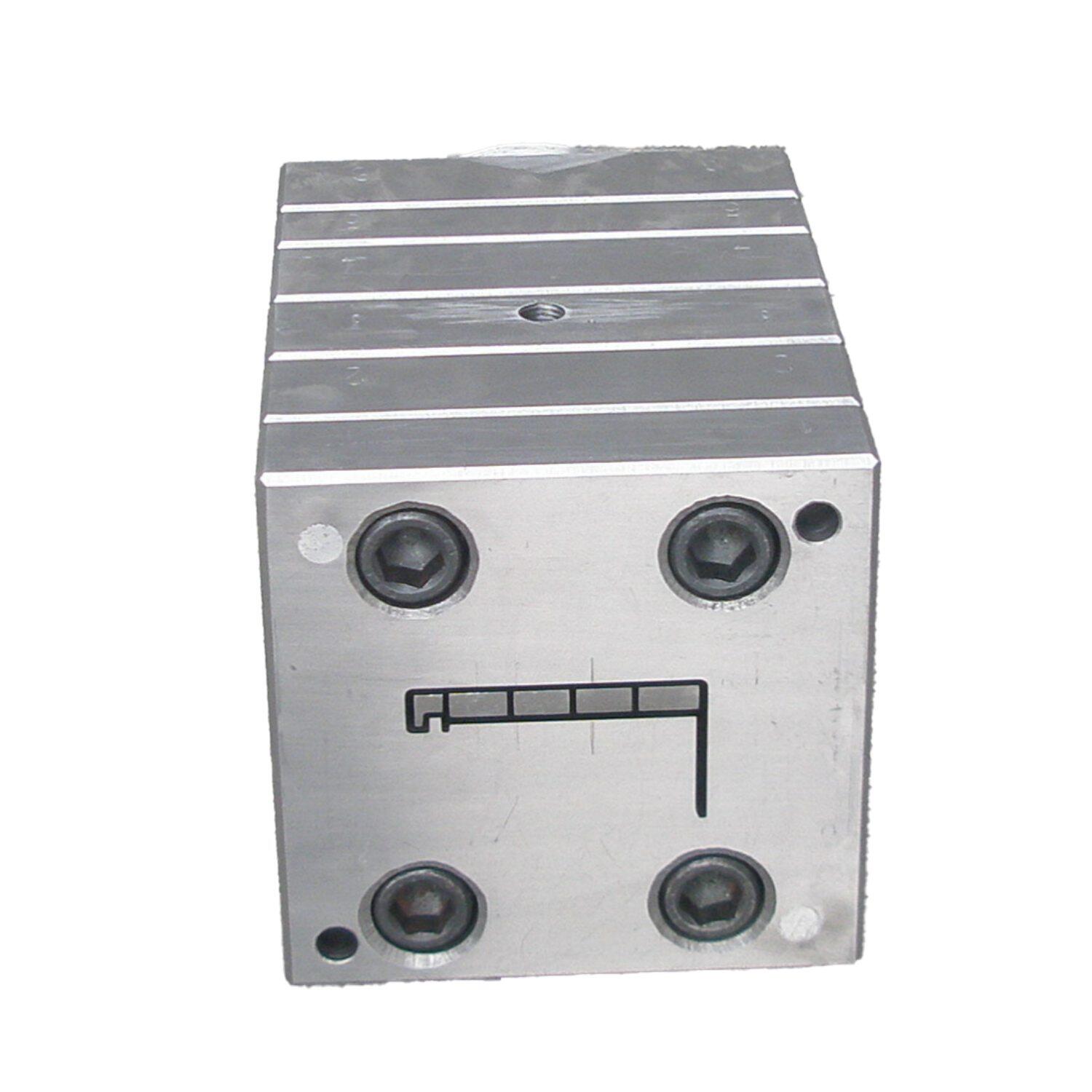
Maintaining an extrusion die for PVC and WPC isn't just about keeping the tool clean; it's about preventing carbon buildup, ensuring uniform melt pressure, and guaranteeing your final profiles consistently meet strict quality standards.
1. The Real Cost of Skipping Die Maintenance
Last month, a profile manufacturer called us in a panic. Their PVC foam board line was producing warped edges, and they assumed the extruder screw was failing. Turns out? The die hadn't been purged properly in three weeks, and carbon buildup was choking the flow channels.
Here's the thing about extrusion dies for PVC and WPC. They aren't cheap. A custom-manufactured die head usually runs anywhere from $4,500 to $8,500. But the real cost of a neglected die isn't the replacement—it's the scrapped material, the downtime, and the compromised quality. When you're extruding WPC with up to 60% wood fiber, or rigid PVC, a well-maintained die is the only way to ensure the final product actually delivers on its UV Grade 4-5 rating, B1 fire safety compliance, and that promised 25-year warranty.
Let's be honest, nobody likes stopping the line to clean a tool. But skipping it will cost you way more in the long run.
2. Daily & Shift-by-Shift Routine
You might be wondering if a quick wipe-down at the end of a shift is enough. Frankly, it's not. The daily grind of pushing highly viscous, fiber-filled melts through tight clearances leaves residue everywhere.
Purging is non-negotiable. When shutting down, always purge the die with a dedicated cleaning compound or a lower-viscosity resin. For PVC, we usually recommend a purging grade around 200°C to 220°C. Leave no stagnant material inside.
Brass tools only. Always. It's tempting to grab a steel scraper to chip away hardened PVC off the die face. Don't do it. Steel will literally gouge the hardened tool steel flow channels. Use brass or copper scrapers, which are softer than the die but hard enough to remove residue.
Wipe the exterior. A quick wipe with a high-temperature silicone cloth removes external oil and dust that can bake onto the hot die block over time.
Most of the time, though there are exceptions, a solid 15-minute purge and wipe at the end of every shift prevents 90% of major die issues.
3. Deep Cleaning & Decarbonization
Even with perfect daily habits, carbon will build up inside the manifold. This is especially true for WPC, where the lignin in the wood flour burns and creates a hard, black crust.
How often should you do a deep clean? It depends on your output. If you're running 200 to 250 kg per hour, plan for a full teardown and decarbonization every 30 to 45 days.
Fluidized bed cleaning is the gold standard here. You suspend the die components in a tank of fluidized alumina sand heated to about 350°C to 400°C. The organic residues (PVC/WPC) vaporize, leaving the metal perfectly clean. Chemical pastes work in a pinch, but they require hours of soaking and aggressive scrubbing, which increases the risk of accidental damage.
After cleaning, inspect the flow channels under a bright light. If you see any pitting or discoloration, it needs polishing before it goes back into production.
4. How to Handle Common Die & Profile Issues
Sometimes things go wrong despite your best efforts. Here’s how we troubleshoot the most common headaches on the factory floor.
Carbon Stains in the Manifold
If your extruded profiles are showing black specks or streaks, carbon is flaking off the die walls. You can't fix this while running. You need to pull the die, soak it, and gently polish the affected area with fine emery cloth (around 400 to 600 grit). Never use coarse sandpaper.
Scratches on the Die Lips
Accidental impacts with metal tools happen. If the die lip is scratched, your extruded board will have a physical ridge or line running down its length. Minor scratches can be hand-polished out by a skilled toolmaker. Deep gouges? You'll likely need to weld and re-machine the lip, which costs about 20-30% of a new die.
Uneven Flow and Warped (Loose) Boards
When the extruded boards come out warped, or the thickness varies from left to right, it’s rarely the extruder. It's usually the die. Check the choke bars and the lip adjustment bolts. Thermal expansion can cause bolts to loosen over a 48-hour run. Re-torque them to the manufacturer's specs (usually around 40-50 Nm for M12 bolts). Also, verify that the heating bands are functioning evenly; a dead heater zone will cause the melt to cool and drag.
Profile Fading or Discoloration
If the color looks off or fades quickly after extrusion, the melt might be degrading due to excessive residence time in the die. Check for dead zones in the flow channel where material might be stagnating and burning.
5. Core Care Principles to Remember
To keep your PVC foam board extrusion die or WPC decking die head in top shape, stick to these core principles:
Respect the thermal limits. Never overheat the die to clear a blockage; you'll ruin the metallurgical temper of the steel.
Keep a detailed log. Track every teardown, every polishing session, and every bolt replacement. Data tells you when a die is nearing the end of its life.
Store it properly. When not in use, coat the bare metal surfaces with a high-temp anti-rust oil and wrap it in VCI (Vapor Corrosion Inhibitor) paper.
Use genuine extrusion die spare parts. Aftermarket bolts or choke bars might not have the exact thermal expansion coefficients, leading to uneven pressure.
6. Extending the Lifespan
A standard extrusion die should last for roughly 3 to 5 million kilograms of throughput. But we've seen factories push that to 6 million kg by doing one simple thing: rotating the die blocks.
If you have a multi-cavity die or a reversible design, rotating the flow channels distributes the wear evenly. It adds roughly 30% to the overall lifespan compared to running a single channel until it fails. Also, keeping the melt temperature as low as safely possible reduces the thermal fatigue on the steel. Every 10°C drop in extrusion temperature significantly slows down the creep and wear of the die body.
Frequently Asked Questions
How often should I completely teardown my PVC extrusion die?
For continuous PVC production, a full teardown and inspection every 3 to 4 months is standard. If you're running highly filled WPC, you might need to do it every 4 to 6 weeks due to the abrasive nature of wood flour and the high risk of carbon buildup.
Can I use steel wool to clean the die face?
Absolutely not. Steel wool will leave behind tiny iron fragments that can embed in the die steel. When the die heats up, these fragments will rust and cause pitting. Always use brass wool or specialized non-metallic abrasive pads.
Why is my WPC die wearing out so fast?
WPC formulations with high wood fiber content (over 50%) or added mineral fillers like calcium carbonate are highly abrasive. If your die is wearing quickly, check if the flow channels are properly hardened (usually nitrided to 900-1000 HV). You might also need to upgrade to a bimetallic barrel and die setup.
How do I know if the die heating bands are failing?
If you notice sudden fluctuations in melt temperature, or if the profile thickness drifts despite no adjustments to the lip bolts, a heating band is likely failing. Use an infrared thermometer to check the surface temperature of the die block; variations greater than 3°C across a single zone indicate a bad band.
Is it better to clean the die while it's hot or cold?
Always clean the exterior and do minor purging while the die is at operating temperature. However, for deep cleaning, polishing, or teardown, the die must be completely cooled to room temperature. Quenching a hot die in water or oil will cause thermal shock and crack the hardened steel.
What's the best way to remove baked-on PVC from the die lips?
Soak the specific area with a commercial PVC dissolving solvent if it's a minor buildup. For heavy buildup, mechanical removal with a brass scraper is best. Avoid open flames or oxy-acetylene torches to burn off PVC, as the resulting hydrochloric acid gas will rapidly corrode the die steel.
Maintaining your extrusion tooling doesn't have to be a massive headache. Stick to the daily purge, respect the brass-only rule, and don't ignore minor profile defects. Your production line—and your bottom line—will thank you.