
Extrusion Die vs traditional wood: which is better? Full Comparison 2026
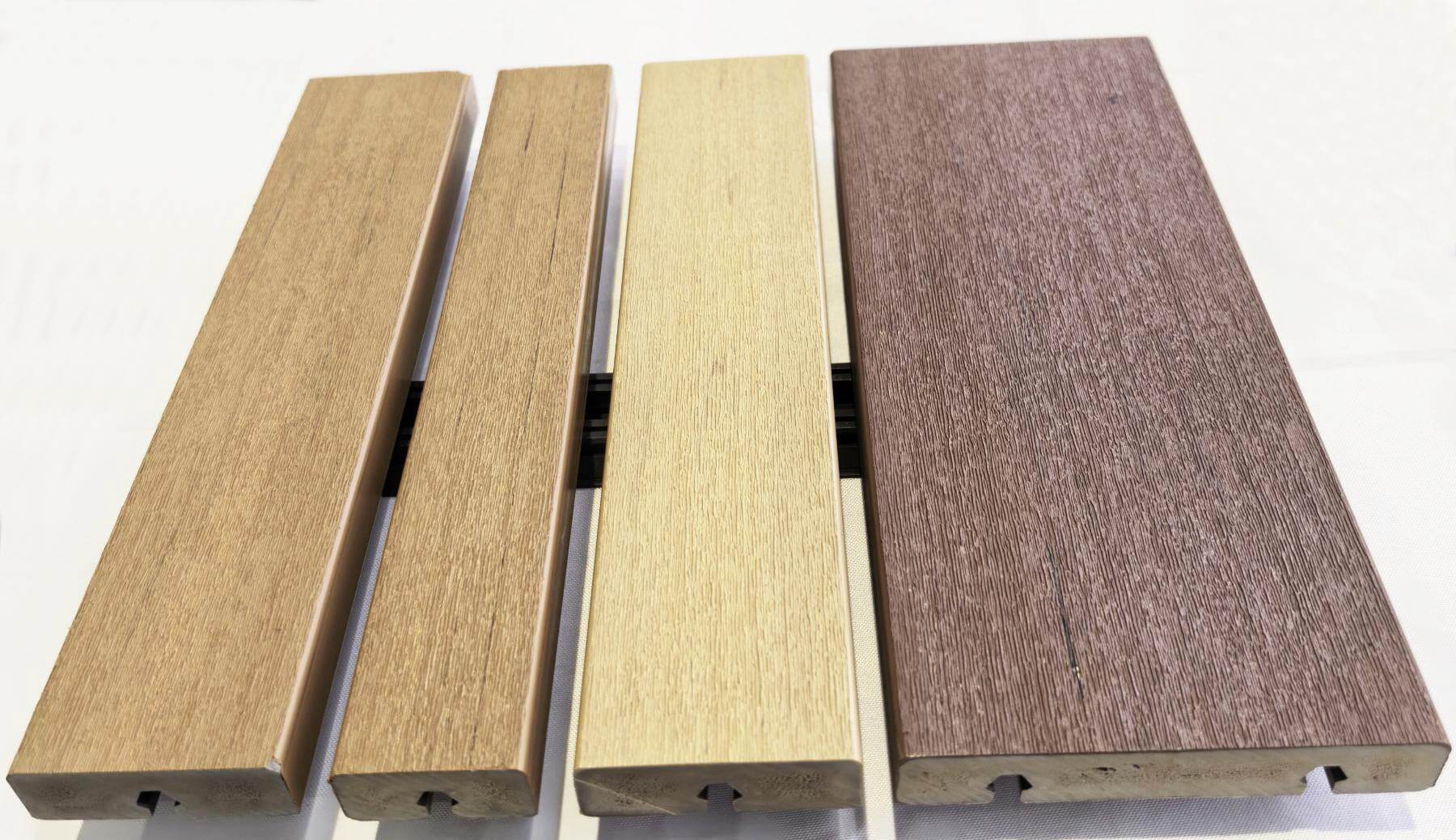
When builders ask us whether extrusion die WPC profiles or traditional wood is better, the answer usually depends on how much time you want to spend sanding and sealing. Let's cut through the marketing fluff and look at what actually happens when these materials face real-world weather.
Last month, a contractor called us frustrated. He’d just finished a 400 sq ft timber deck, and the client was already complaining about splinters and the upcoming annual sealing bill. It’s a story we hear constantly.
First, a quick clarification. When the industry talks about 'extrusion die vs traditional wood,' we’re comparing natural timber to WPC (Wood Plastic Composite) profiles—like decking, cladding, and fencing—manufactured through precision extrusion dies. The die shapes the composite material under high heat and pressure. So, you're really asking if factory-extruded composite is better than a tree.
Here’s what we’ve noticed after years of supplying both sides of the aisle.
Quick Comparison Overview
Metric | Traditional Wood | WPC (Extrusion Die Profiles) |
|---|---|---|
Upfront Cost | $2.50 - $3.50 / sq ft | $4.50 - $6.00 / sq ft |
Lifespan | 7 - 15 years | 15 - 25+ years |
Maintenance | High (Annual sealing/staining) | Low (Soap and water) |
Weather Resistance | Poor (Rot, warp, splinter) | Excellent (UV Grade 4-5) |
Fire Rating | Combustible | B1 Fire Rating |
Durability & The 'Rot' Factor
Let's be honest. Wood looks incredible on day one. But nature hates wood. Moisture, UV rays, and temperature swings will eventually warp, crack, or rot a timber board.
WPC profiles extruded through our dies are a different beast. We engineer them with a UV Grade of 4-5, meaning they resist fading significantly better than untreated timber. Plus, they carry a B1 fire rating. Wood burns. WPC self-extinguishes.
We back our WPC products with a 25-year warranty. Realistically? You’ll get 15-20 years of peak, low-maintenance performance even in harsh coastal climates, whereas a standard pine deck might need replacing in 7-10 years.
Maintenance: The Hidden Cost of 'Cheap' Wood
This is where the comparison usually gets heated.
Traditional wood demands respect. You’re looking at power washing, sanding, and re-staining every 12 to 18 months. For a standard 200 sq ft deck, that’s roughly $300 to $500 a year in materials and labor if you hire it out.
Extrusion die WPC? You sweep it. Maybe hose it off with soapy water twice a year. That’s it. There’s no one-size-fits-all rule for every homeowner, but if you hate spending your weekends doing yard work, WPC wins this round effortlessly.
Cost Analysis: Upfront vs. Long-Term
Frankly, WPC is roughly 15-20% more expensive upfront. A basic pressure-treated pine sits around $2.50 to $3.50 per square foot for materials. Our premium WPC decking usually runs $4.50 to $6.00 per sq ft.
Sound too good to be true? The catch is the timeline.
If you only plan to stay in the house for three years, wood might save you cash today. But over a 10-year period, WPC is cheaper. You eliminate the $3,000+ you’d spend on wood maintenance, plus you avoid the cost of replacing rotted boards.
Installation & Ease of Use
Carpenters love wood. It smells great, cuts easily with a standard blade, and is forgiving.
WPC is heavier. You’ll need carbide-tipped blades to cut it cleanly, and it expands and contracts differently than timber, meaning you have to follow the gapping instructions strictly. But here’s the trade-off: no pre-drilling for screws, and hidden clip systems make the surface completely nail-free. For a 200 sq ft deck, our installers usually finish WPC about 2-3 days faster than a complex timber build because there's no finishing or sealing required at the end.
The Honest Pros and Cons
Traditional Wood
Pros: Natural authentic feel, lower initial material cost, easy to cut and modify on-site.
Cons: Rotting, splintering, high maintenance, susceptible to termites.
WPC (Extrusion Die Profiles)
Pros: Zero sealing required, 25-year warranty, B1 fire rating, UV Grade 4-5 fade resistance.
Cons: Higher upfront cost, heavier to handle, can get hot in direct summer sun (though our co-extruded caps help with this).
Which Should You Actually Choose?
There’s no universal winner. It depends entirely on your project.
If you’re building a rustic cabin in the woods where a natural, aging aesthetic is the whole point, use cedar or redwood.
But if you’re building a high-traffic commercial boardwalk, a low-maintenance backyard deck, or exterior WPC wall cladding that needs to survive decades of rain? Go with WPC. The extrusion die process creates a dense, uniform profile that timber simply can't match for longevity. Check out our WPC decking line if you want to see the difference in the cap layer. And for privacy without the rot, our WPC fencing is a game-changer.
Frequently Asked Questions
Does WPC look fake compared to wood?
Not anymore. Early composites looked like plastic. Today's extrusion dies create deep wood-grain embossing and varied color streaks that mimic natural timber from a distance.
Can I paint or stain WPC extrusion die products?
You can, but we don't recommend it. The whole point of WPC is the factory-applied color layer. Paint will peel because the composite doesn't absorb moisture like wood does.
Is WPC slippery when wet?
Standard WPC can be a bit slick. That's why we use textured surfaces and embossed grain patterns on our decking and fencing profiles to provide slip resistance even in the rain.
How do I clean mold off WPC?
A simple mix of warm water and mild dish soap usually does the trick. For stubborn spots, a soft bristle brush and a dedicated composite cleaner will lift it without damaging the cap stock.