
How Long Do WPC Accessories Actually Last? 2026 Durability Guide
Wondering about the lifespan of your trim, joists, and hidden fasteners? We break down exactly how long WPC accessories last, separating the 25-year marketing claims from real-world durability.
Everyone talks about the decking boards. But the real backbone of your project? The accessories. The joists, the hidden clips, the fascia, the stair nosing. Without them, your beautiful composite surface is just a pile of expensive planks waiting to warp.
So, how long do WPC accessories actually last? If you're planning a build or evaluating an existing project, you need the raw truth, not just the glossy brochure specs.
The Short Answer: 15 to 25 Years (Usually)
Frankly, there is no single number. It depends entirely on which accessory we're talking about. But generally speaking, high-quality WPC accessories will last between 15 and 25 years. That said, the hidden hardware often outlives the visible trim.
Here is the real-world breakdown we see from what we've installed and shipped over the last decade:
Solid and Hollow Joists: 20 to 25 years. Since they are hidden from direct UV rays, they just sit there doing their job. Our structural WPC joists carry a 25-year warranty, and in moderate climates, they easily hit that mark.
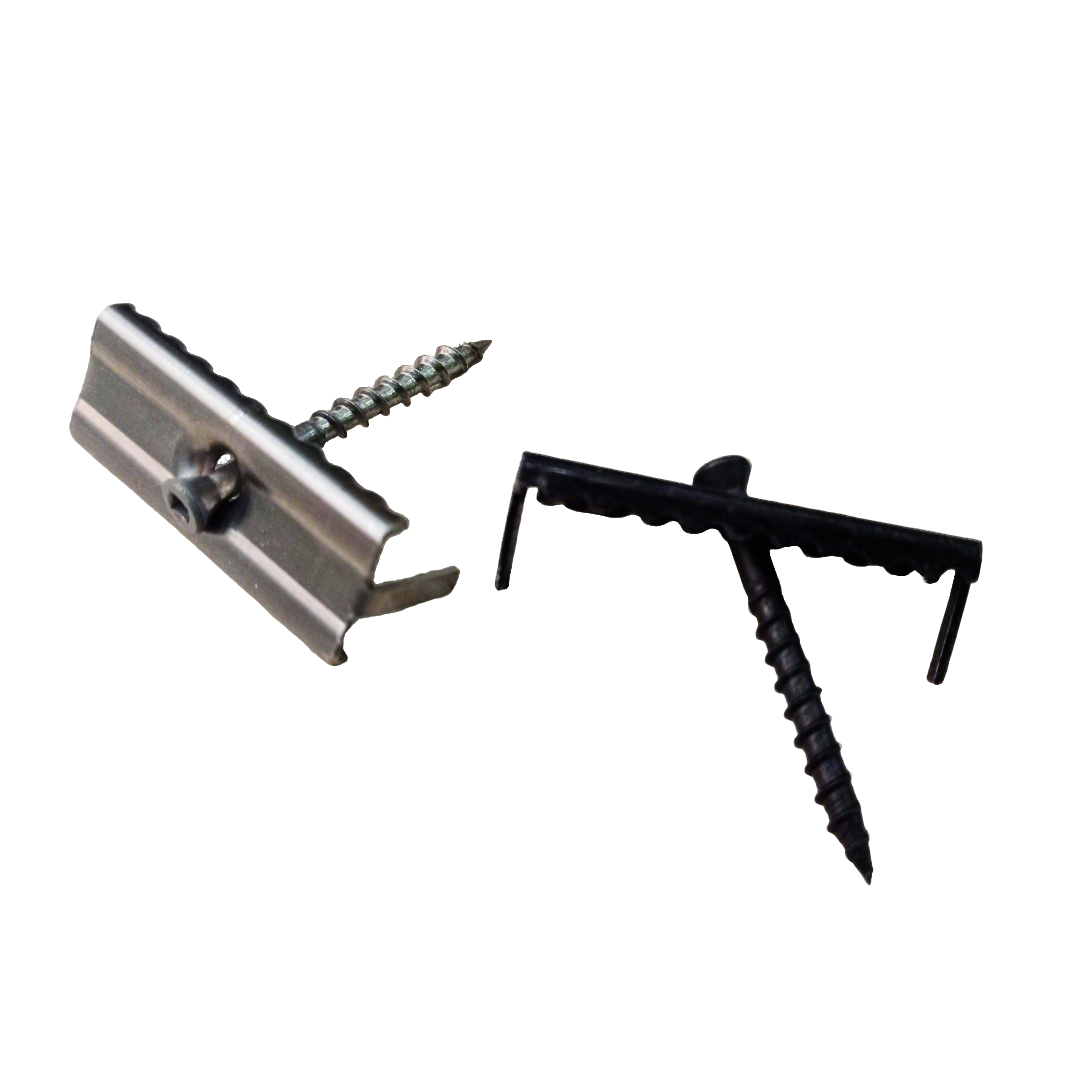
Hidden Clips and Fasteners: 15 to 20 years. The plastic polymers in the clips take a beating from thermal expansion and contraction. They usually outlast the boards, but they can become brittle around year 18.
Fascia and Trim Boards: 15 to 25 years. These take the full brunt of the sun. Even with a UV Grade 4-5 rating, thin trim profiles will show micro-fading slightly faster than thick decking boards.
What Actually Kills WPC Accessories Early?
Look, WPC is incredibly durable. It doesn't rot like wood. But it's not invincible. Here are the silent killers we see in the field.
1. The 16-Inch Spacing Trap
This is the number one mistake. Contractors try to save money by spacing joists at 24 inches on center instead of the recommended 16 inches. The result? The boards sag. The hidden clips get subjected to 40% more shear stress every time someone walks on the deck. You might save $1.20 per linear foot on joists upfront, but you'll be replacing popped clips and sagging boards in 8 years instead of 20.
2. Moisture Trapping in Trim
WPC doesn't absorb water like wood, but it still expands when wet. If your fascia and trim boards are installed without proper expansion gaps, or if they trap standing water behind them, the constant swelling and shrinking will cause the boards to delaminate or crack at the screw holes. Usually around year 10 or 12.
3. Extreme Thermal Swings
If you're building in a desert climate where it's 110°F in the day and 40°F at night, your accessories are working overtime. The hidden decking clips expand and contract roughly 30% more in these conditions compared to a stable coastal climate. It shaves about 3 to 5 years off the functional lifespan of the plastic fasteners.
WPC vs. Wood vs. Aluminum: The Lifespan Reality Check
You might be wondering if you should just use traditional materials for the substructure and trims. Let's be honest about the trade-offs.
Treated Wood Joists and Trims: They will last 5 to 8 years before you start seeing rot, splitting, and insect damage. You'll spend roughly $400 to $600 every decade on replacement materials and labor. It's a false economy.
Aluminum Accessories: These will literally last 50+ years. They don't rot, they don't fade, and they hold a B1 fire rating effortlessly. The catch? They cost roughly 40% more upfront (about $1.80 per linear foot compared to $1.20 for WPC). Plus, aluminum conducts heat. In direct sun, an aluminum stair nosing can reach 140°F, making it uncomfortable for bare feet.
WPC Accessories: They hit the sweet spot. You get a 20+ year lifespan, a B1 fire rating, UV Grade 4-5 fade resistance, and a price point that keeps your project budget intact.
Tell-Tale Signs Your Accessories Are Failing
How do you know when it's time to intervene? Don't wait for a total collapse. Watch for these early warnings:
Sponginess underfoot: This isn't a decking issue. It's a joist issue. The substructure has lost its rigidity, usually due to improper spacing or moisture damage.
Visible clip popping: If you can see the edges of your hidden clips lifting above the board surface, the thermal expansion gaps were likely set too tight during installation.
Chalking on fascia: A little chalk is normal. But if you rub your hand on the trim and it comes away heavily colored, the UV protective cap stock has worn through. It's not failing structurally yet, but it's on its last legs.
How to Push Your Accessories to the 25-Year Mark
Want to maximize your return on investment? Here is what we usually recommend to our B2B partners and serious DIYers.
First, never skimp on the joist spacing. Stick to 12 inches on center for diagonal installations, and 16 inches for standard straight runs. It costs about 15% more in materials but doubles the structural lifespan.
Second, use stainless steel or polymer-coated screws for your trims. Standard zinc screws will rust, and that rust will bleed into your WPC fascia, causing permanent orange streaks that no amount of cleaning will fix.
Finally, clean the substructure during your annual deck wash. Most people scrub the top surface and forget the bottom. Clearing out leaves and debris from between the joists prevents moisture buildup and stops organic acids from degrading the WPC surface over time.
Frequently Asked Questions
Do hidden clips really last as long as the decking boards?
Almost. The boards are engineered for 25 years of direct UV and foot traffic. The hidden clips are sheltered from UV but face high mechanical stress. In our experience, they typically last 15 to 20 years before becoming brittle enough to warrant replacement.
Will WPC fascia boards fade before the main decking?
It depends on the sun exposure. South-facing fascia takes a heavier UV beating than horizontal decking. While both feature UV Grade 4-5 protection, you might notice slight color shifting on vertical trims 2 to 3 years earlier than the deck surface.
Is it worth upgrading to aluminum joists and trims?
If budget is no object and you want a literal lifetime structure, yes. Aluminum won't degrade. But for 90% of residential and commercial projects, WPC accessories provide the exact same functional lifespan as the building itself, at a fraction of the cost.
Does the 25-year warranty cover all accessories equally?
Usually, no. Most manufacturers offer 25 years for the decking boards and solid joists, but trim and fascia might carry a 15-to-20-year warranty due to their thinner profiles and higher UV exposure. Always check the specific spec sheet.
How does joist spacing affect accessory lifespan?
Wider spacing forces the decking boards and hidden clips to bear more load. This accelerates wear on the clips and can cause the boards to bow, putting lateral stress on the joist hangers and fasteners. Proper 16-inch spacing is non-negotiable for hitting that 25-year mark.
Building with composite materials is an investment. By understanding exactly how long your WPC accessories last and respecting the installation guidelines, you ensure that the hidden structure works just as hard as the beautiful surface everyone sees.