
How Long Does WPC Decking Last? Complete Lifespan Guide 2026
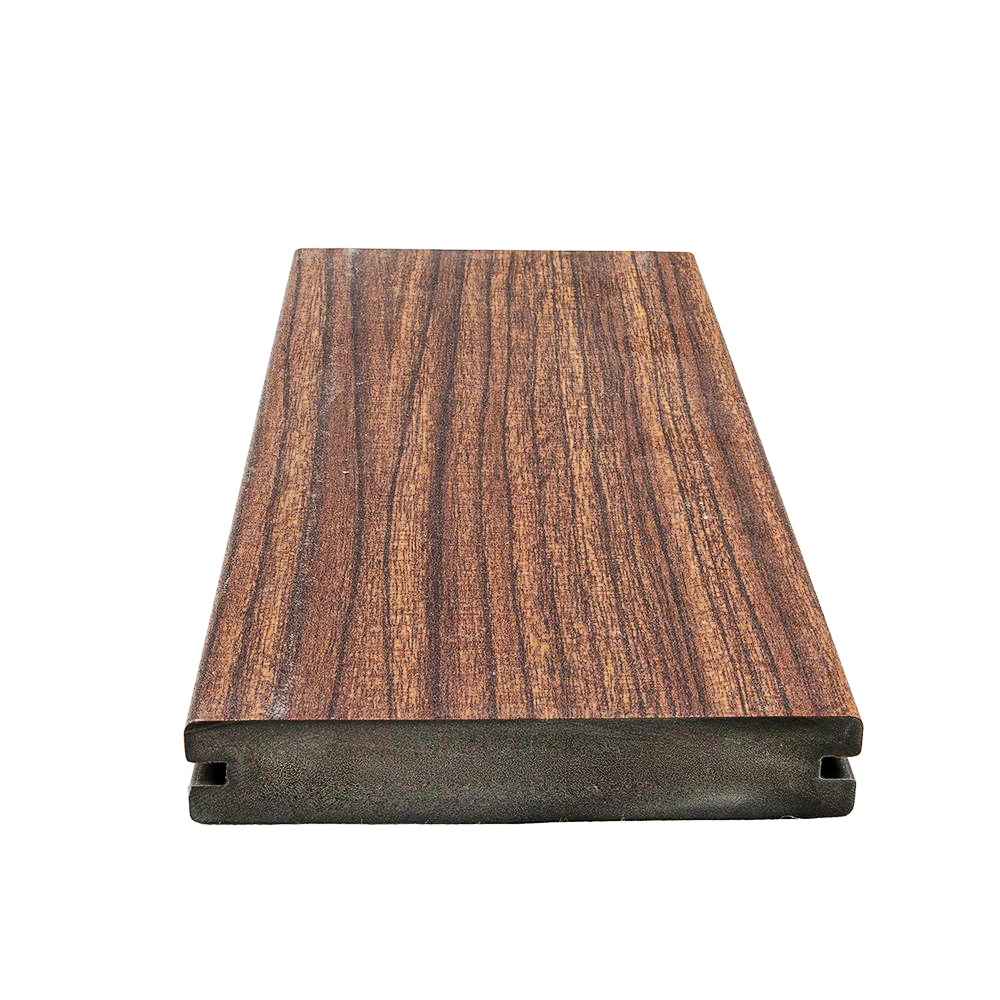
Wondering how long your outdoor flooring will actually hold up? We break down the real-world lifespan of WPC decking, from warranty claims to daily wear and tear.
Last month, a contractor asked us if our boards would still look decent after a decade in a coastal, high-salt climate. Here's the thing: the short answer is absolutely. The long answer? It depends on a dozen different variables, and frankly, most manufacturers won't tell you the whole story.
If you're wondering how long WPC decking actually lasts, the baseline is 15 to 25 years. Sometimes it pushes 30. But let's be honest—a 25-year warranty doesn't mean it looks brand new on day 9,125. Let's break down what that lifespan actually looks like in the real world.
What the 25-Year Warranty Actually Covers
When we talk about a 25-year warranty on our hollow WPC decking, we're talking about structural integrity, resistance to rotting, and significant fading or staining. It’s not a "free new deck" voucher.
Realistically, in harsh UV climates like Arizona or Queensland, you might notice very slight color shifting around year 12 or 15. That’s exactly why we engineer our boards with UV Grade 4-5 protection. It’s the highest grade in the industry, but the sun is relentless. The color won't peel or flake, but it might mellow out just a fraction. That said, 90% of our customers don't even notice it unless they're staring at a spare board they kept in the garage since 2024.
The catch? If you install the boards directly over concrete without proper airflow, or if you try to use them as a structural beam, the warranty is void. We've had to deny claims before because people tried to use our decking as a load-bearing wall. It's flooring, not a structural beam.
The 6 Things That Actually Kill Your Deck's Lifespan
You can buy the most expensive composite on the market, but if you ignore these factors, your deck will fail in half the time.
Installation quality. This is the big one. If your contractor spaces the joists 16 inches apart instead of the recommended 12 inches for diagonal layouts, the boards will sag. Water pools. The lifespan gets cut in half.
The subframe. We see this all the time. People spend $8 per square foot on premium WPC, then install it over untreated pine joists. Five years later, the wood rots, the screws pull out, and the deck collapses. Always use composite or aluminum joists.
Climate extremes. Freeze-thaw cycles are tough on any material. While our boards handle temperature swings from -40°C to 60°C, constant standing water that freezes and expands in the micro-gaps can cause stress over time.
Chemical exposure. Pool chlorine splash is a silent killer. If your deck surrounds a pool and you constantly splash highly chlorinated water on it without rinsing, it can degrade the surface cap.
Foot traffic intensity. A residential backyard for a family of four? It'll last decades. A commercial rooftop bar with 200 people a night? Expect to see wear patterns in 7 to 10 years.
Debris buildup. Wet leaves sitting on the deck for months create a tannin stain that can bond to the surface. It won't rot the board, but it ruins the look.
WPC vs. Wood vs. PVC: Who Wins the Longevity Race?
Let's look at the alternatives.
Pressure-treated wood pine lasts about 10 to 15 years, if you actually sand and stain it every two years. Most people don't. Frankly, it usually starts rotting by year 8. When you factor in the $300 to $500 you'd spend every few years on wood stains and sealants, the upfront cost difference basically disappears by year five.
Tropical hardwoods like Ipe can last 25+ years, but they cost roughly 30% more upfront and require annual oiling to maintain that rich color. Then there's 100% PVC decking. It practically lasts forever. The downside? It costs about 15-20% more than WPC, gets incredibly hot in the summer sun, and can look a bit plasticky.
Whether you're installing traditional boards, heavy-duty solid WPC decking, or interlocking composite decking tiles, WPC sits right in the sweet spot. You get roughly 20 to 25 years of solid performance with zero sanding, zero sealing, and just basic washing.
How to Tell It's Actually Time to Replace It
Look, you don't replace composite just because it's 15 years old. You replace it when:
The boards are physically cupping or splitting (usually a sign of bad installation or poor drainage).
Deep scratches have exposed the inner core (this happens if you drag heavy metal furniture without pads).
Mold has deeply penetrated the surface. This is rare with our B1 fire-rated and anti-fungal capped boards, but it can happen if the deck is in deep shade and never cleaned.
If you just have surface dirt or minor scuffs, a quick power wash on a low setting (under 1500 PSI) brings it right back.
3 Quick Ways to Squeeze Out Extra Years
Want to push your deck past the 20-year mark? It’s not complicated.
First, keep it clean. A simple sweep and a wash with mild soap and water twice a year does wonders. Second, slap felt pads on the bottom of all your outdoor furniture. Dragging a heavy teak chair across the surface will gouge it, no matter how hard the cap layer is. Finally, make sure your drainage is on point. Water should never sit on the surface for more than a few minutes after a rainstorm.
Frequently Asked Questions
Does WPC decking get slippery when wet?
It can, if it's covered in algae or mildew. But right out of the box, our boards have a textured wood-grain embossing that provides solid slip resistance, even when wet. Just keep it clean.
Can I paint or stain WPC decking to make it last longer?
Please don't. Paint won't adhere properly to the composite surface and will just peel off in ugly flakes. The color is baked all the way through the cap layer. You don't need to seal it.
Is WPC decking fireproof?
It’s highly fire-resistant. Our decking carries a B1 fire rating, which means it’s extremely difficult to ignite and will self-extinguish when the flame source is removed. It won't catch fire like dry timber.
How much does it cost to replace a single damaged board?
If you installed it correctly with hidden fasteners or color-matched screws, swapping a single board costs roughly $15 to $25 in materials, plus about 20 minutes of labor. Just make sure you buy from the same batch, or the color might be slightly off.
How long does the anti-slip texture last?
The embossed wood-grain texture is physically pressed into the cap layer during extrusion. It doesn't wear off like a painted-on coating. Even after 15 years of heavy foot traffic, the grip remains intact.