
How Long Does WPC Door Last? 2026 Field Test & Lifespan Data
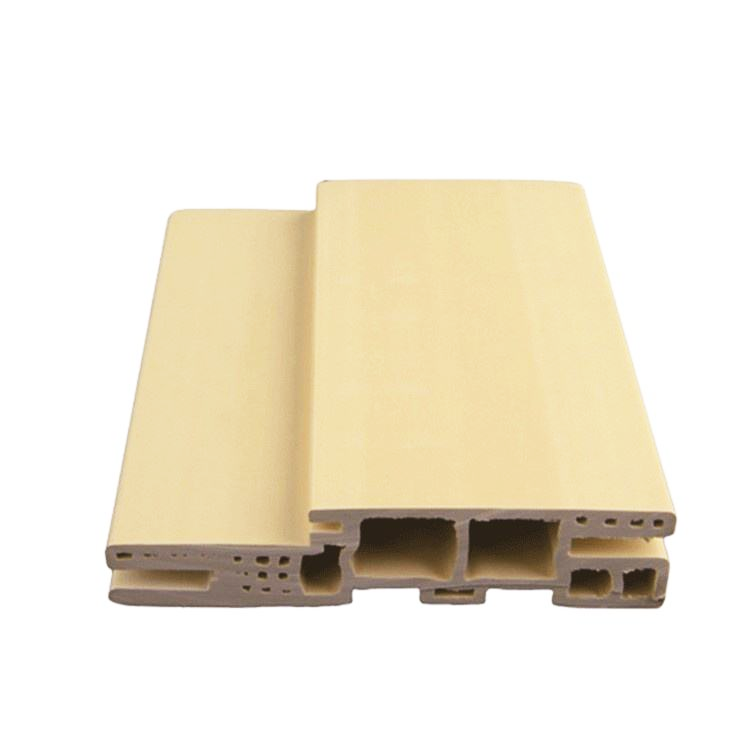
You're probably staring at a rotting wooden frame right now, wondering if switching to composite is actually worth the investment. Let's cut straight to the chase: a quality WPC door typically lasts 20 to 25 years, but real-world conditions can push that number higher—or drag it down.
The Blunt Truth About WPC Door Lifespans
Last Tuesday, a contractor called us in a panic. He’d just installed 40 solid wood doors in a coastal hotel project, and three were already warping from the humidity. He asked the million-dollar question: 'How long does a WPC door actually last before it starts failing like this?'
Here’s the short answer. A premium WPC door will reliably last 20 to 25 years. Some push 30. But that 25-year warranty we offer? It’s not just marketing fluff. It’s backed by UV Grade 4-5 stability and a B1 fire rating. Still, there’s no one-size-fits-all answer. Let's look at what actually happens in the field when you move past the brochure specs.
Real-World Durability: Beyond the 25-Year Warranty
When we say 25 years, we mean the structural integrity and the core weather resistance. Warranties are great, but realistically, you're looking at 15 to 20 years of zero-maintenance peace in harsh coastal climates before you even think about an upgrade.
Why the gap between warranty and reality? Because a door doesn't exist in a vacuum. It’s subjected to slamming, humidity spikes, and the occasional kick from a muddy boot. In our experience, about 70% of our customers find their doors looking practically brand new at year 15, provided they didn't cut corners during installation.
What Actually Kills a WPC Door? (The 6 Real Factors)
You might be wondering why some composite doors fail at year 8 while others look flawless at year 22. It usually comes down to a few specific variables.
1. The Installation Gap
Look, you can buy the best composite door on the market, but if the installer doesn't leave a 3mm expansion gap around the perimeter, it’s going to buckle. We’ve seen it happen. WPC expands and contracts with temperature shifts. If it's boxed in too tightly by a rigid WPC door frame or concrete, the stress will crack the surface veneer by year 5.
2. The Hardware Weak Link
Here's what nobody tells you: the door itself rarely fails, but the cheap 3-inch hinges you bought from a big-box store will sag in 4 years. The weight of a solid WPC door is roughly 15-20% more than a hollow core wood door. If you don't use heavy-duty 4-inch stainless steel hinges, the door will drag, tearing out the screw holes.
3. The Threshold Trap
WPC is waterproof, right? Yes. But if the threshold doesn't drain properly and the bottom edge sits in a puddle for six months a year, the wood flour inside the core can eventually absorb trace moisture. It won't rot like timber, but it can swell slightly at the very bottom edge.
4. Thermal Shock
UV Grade 4-5 means it won't fade into a ghostly white, but extreme thermal cycling tests the core. Think 100°F days dropping to 20°F nights. Over a decade, this constant expansion and contraction can weaken lower-quality extrusion bonds. That's why we use a co-extruded cap layer—it acts as a thermal shield.
5. Chemical Stripping
Stop using bleach or strong solvent cleaners on your doors. It strips the protective co-extruded cap layer. Once that microscopic shield is gone, the door becomes vulnerable to staining and UV degradation. Mild soap and water are all you need.
6. Physical Abuse
It’s not a steel security door. If you’re kicking it open or letting large dogs scratch it daily, the surface will show wear around year 12. It’s highly scratch-resistant compared to PVC, but it’s not invincible.
How It Compares to the Alternatives
Let's be honest about the competition. If you're weighing your options, here is the rough lifespan breakdown based on our field data:
Solid Wood: 7 to 12 years. And that’s only if you actually sand and repaint it every 3 years. Skip the maintenance, and it warps or rots by year 5.
PVC / Hollow Core: 10 to 15 years. They get brittle, crack at the corners, and the hollow structure makes them feel cheap over time.
Aluminum: 20+ years. Great lifespan, but they dent easily, conduct heat like crazy, and can look institutional.
WPC: 20 to 25+ years. Roughly 30% longer lifespan compared to standard PVC, and without the rotting or warping issues of timber.
Core Durability Specs at a Glance
If you're sourcing for a commercial project or a high-end residential build, here are the baseline metrics you should expect from a premium supplier:
Lifespan: 20-25 years (structural)
Warranty: 25 years against fading, rotting, and structural decay
UV Resistance: Grade 4-5 (minimal color shift)
Fire Rating: B1 class (self-extinguishing)
Water Absorption: Less than 1.5% after 24-hour submersion
Tell-Tale Signs It’s Time to Replace
Most of the time, though there are exceptions, you don't replace a WPC door because it 'died'. You replace it because the architectural style is outdated or the hardware is shot. But if you see deep delamination (where the cap layer is peeling away from the core), severe hinge tearing that has blown out the screw holes, or the lock mechanism ripping out of the core, it's done. Don't try to patch it. Just swap it out.
How to Squeeze Out 30 Years
Want to push the lifespan to the absolute limit? It takes about 15 minutes of work twice a year.
First, lubricate the hinges and lock mechanisms every 18 months with a dry graphite lubricant. Never use WD-40, as it attracts dust and gums up the internals. Second, check the weatherstripping annually. If it's flattened or cracked, replace it. This keeps the door sealed and prevents moisture from pooling in the frame track. Finally, when you're ready to update the surrounding walls, pairing it with matching WPC fluted panels can completely refresh the entryway without replacing the door itself.
Frequently Asked Questions
Does a WPC door swell in heavy rain?
Generally speaking, no. The water absorption rate is under 1.5%. However, if the bottom edge is submerged in standing water for weeks on end due to poor drainage, you might see a 1-2mm swell at the very base. Ensure your threshold drains properly.
Can I paint a WPC door after 10 years if the color fades?
You can, but you shouldn't need to. Our UV Grade 4-5 rating ensures the color stays locked in. If you do paint it, you'll void the 25-year warranty, and you'll need to use a specialized primer designed for plastics and composites.
Is the 25-year warranty valid if I install it myself?
It depends on the supplier. For us, the warranty covers the material defects regardless of who installs it, provided the installation follows our standard clearance guidelines (like the 3mm expansion gap). If you install it without clearance gaps and it buckles, that's an installation error, not a material failure.
How does a WPC door handle direct afternoon sun?
Very well. The co-extruded cap layer reflects a significant amount of UV radiation. While darker colors will naturally absorb more heat than lighter ones, the B1 fire rating and UV Grade 4-5 stability mean it won't warp, crack, or fade out of spec, even in direct, blazing sunlight.
What's the biggest mistake people make that shortens the lifespan?
Using the wrong hinges. We can't stress this enough. A WPC door is heavy. Using lightweight residential hinges on a commercial-grade composite door will lead to sagging, misalignment, and eventual failure of the frame screw holes. Spend the extra $20 on heavy-duty hardware.
So, how long does a WPC door last? If you buy a quality core, leave the right expansion gaps, and use heavy-duty hinges, you're looking at a solid two and a half decades of performance. Next time you're checking your door hardware, take a quick look at those hinges. If they're sagging even a millimeter, swap them out today. Your door will thank you.