
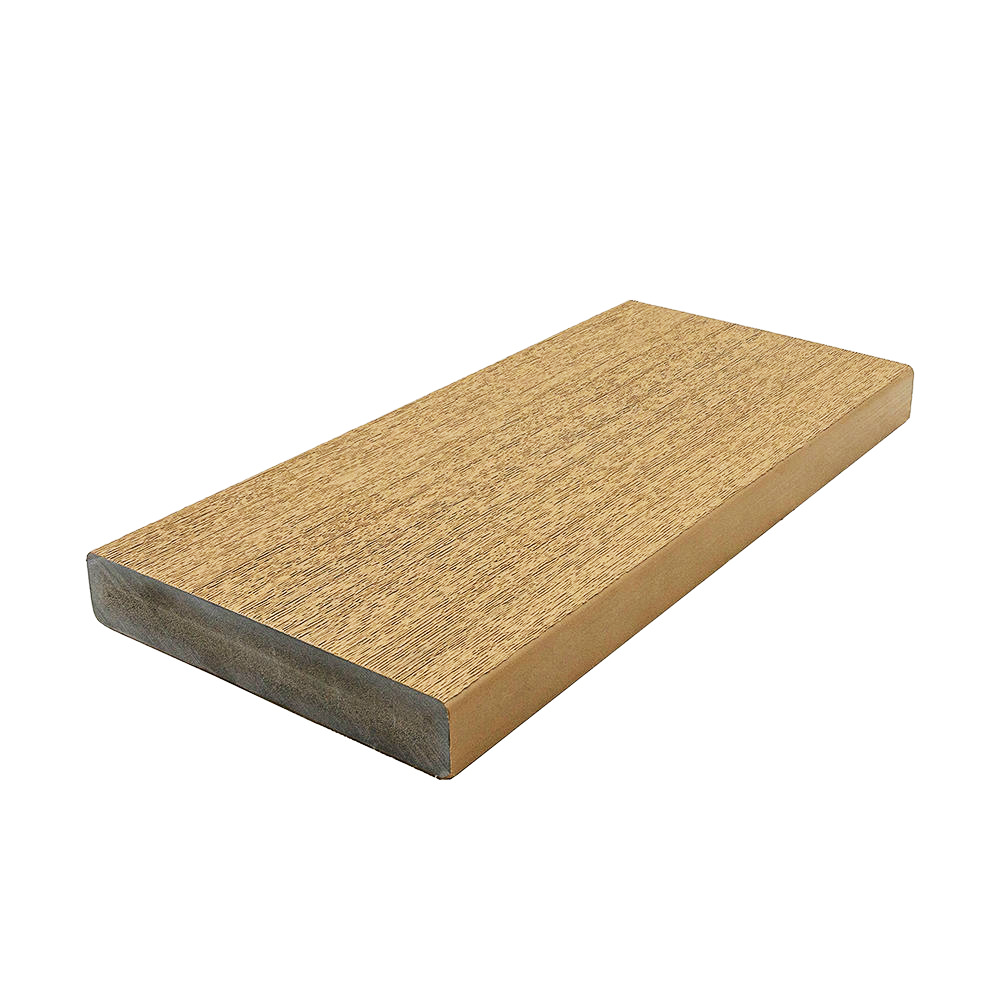
How Long Does WPC Outdoor Decking Last? Complete Lifespan Guide 2026
Wondering how long WPC outdoor decking lasts? Discover the average 15-25 year lifespan, key durability factors, and expert maintenance tips to maximize your 2026 investment.
1. Introduction
If you are planning a backyard renovation, the most critical question on your mind is likely: how long does outdoor decking last? Unlike traditional timber that may rot within a decade, premium WPC outdoor decking is engineered for long-term resilience, typically lasting between 15 to 30 years. Understanding this lifespan is crucial for calculating your return on investment, ensuring long-term safety, and maintaining your property's aesthetic appeal without the burden of constant replacements.
2. Average Lifespan of WPC Outdoor Decking
When evaluating composite materials, the average lifespan of WPC outdoor decking heavily depends on the manufacturing technology used. Standard uncapped WPC boards generally last 15 to 20 years. However, premium co-extruded WPC decking, which features a protective polymer shield, easily reaches 25 to 30 years. At Aorai Tech, our premium WPC outdoor decking comes with a robust 25-year warranty, reflecting our confidence in its structural integrity and resistance to environmental degradation over decades of use.
3. Factors That Affect Lifespan
Several critical variables dictate how long your deck will perform at its peak:
Climate and UV Exposure: Continuous sunlight can cause fading. High-quality WPC utilizes UV Grade 4-5 stabilizers to ensure color retention and prevent structural brittleness over 25 years.
Installation Quality: Proper joist spacing is non-negotiable. For optimal load distribution and longevity, joists must be spaced 12 to 16 inches (300-400mm) apart. Improper spacing leads to sagging and premature stress fractures.
Foot Traffic and Load: Residential decks experience moderate wear, while commercial or high-traffic areas require heavier-duty boards. Overloading beyond the specified weight capacity accelerates wear.
Maintenance Routine: While WPC is low-maintenance, neglecting to clear debris, leaves, and standing water can lead to surface mold and mildew, which degrades the aesthetic finish over time.
Material Grade: Capped composite boards resist moisture penetration and staining far better than uncapped variants, directly extending their functional lifespan.
Substructure Quality: Using rotting wooden joists beneath your WPC deck can compromise the entire system. We recommend using galvanized steel, aluminum, or WPC joists to match the deck's 25-year lifecycle.
4. How It Compares to Alternatives
To truly understand the value of WPC, we must compare its lifespan and cost against traditional alternatives:
Pressure-Treated Wood: Lasts only 10 to 15 years. It requires annual sealing and staining, costing roughly $3-$5 per square foot in maintenance alone, making it a false economy over time.
Tropical Hardwood (Ipe/Teak): Offers a 20 to 25-year lifespan but comes with a steep initial price of $15-$25 per square foot. It also requires annual oiling to prevent graying and cracking.
PVC Decking: Matches WPC's 25 to 30-year lifespan but is often more expensive and lacks the natural wood-like texture that homeowners prefer. WPC remains the superior eco-friendly and cost-effective choice.
5. Signs That It Needs Replacement
Even the most durable materials eventually reach the end of their lifecycle. Watch for these tell-tale signs:
Deep Structural Sagging: If boards bow significantly between joists despite correct installation, the internal core may be compromised.
Severe Fading or Chalking: While UV Grade 4-5 prevents most fading, extreme weathering over 20+ years can cause the surface to chalk or lose its protective cap.
Delamination or Peeling: On capped composites, if the protective outer layer begins to peel or separate from the core, moisture intrusion is inevitable.
Persistent Mold Penetration: Surface mold can be cleaned, but if mold has penetrated deep into the board's core due to prolonged moisture exposure, replacement is necessary.
6. How to Extend Lifespan
Maximize your investment with these practical maintenance steps:
Sweep Weekly: Remove dirt, pollen, and organic debris that can trap moisture against the surface.
Wash Bi-Annually: Use a mild soap and warm water solution with a soft-bristle brush. Avoid harsh chemicals or pressure washers above 1500 PSI, which can damage the protective cap.
Ensure Proper Drainage: Maintain a minimum 1/4 inch slope per foot to prevent water pooling, which accelerates surface wear.
Use Furniture Pads: Attach felt pads to the bottom of outdoor furniture to prevent localized scratching and indentations.
Clear Snow Gently: In winter, use a plastic shovel rather than metal tools to avoid gouging the surface.
FAQ
1. Does WPC decking fade over time?
Minimal fading may occur during the first 8 to 12 weeks as the wood fibers settle. After this initial period, premium WPC with UV Grade 4-5 stabilizers maintains its color exceptionally well for decades.
2. Is WPC decking completely waterproof?
WPC is highly water-resistant, with a water absorption rate of less than 0.5%. However, it is not 100% waterproof like solid PVC. Proper drainage and substructure ventilation are essential to prevent water trapping.
3. Can WPC decking withstand extreme temperatures?
Yes. High-quality WPC is engineered to handle temperature fluctuations from -40°F to 140°F (-40°C to 60°C) without warping. Additionally, our boards feature a B1 fire rating, ensuring superior safety in hot, dry climates.
4. How often should I clean my WPC deck?
A light sweeping once a week and a thorough wash with soapy water every 6 months is sufficient to keep the deck looking pristine and prevent organic stain buildup.
5. Does the color of WPC decking affect its lifespan?
Darker colors absorb more heat, which can make the surface hotter to walk on in direct summer sun, but this does not negatively impact the structural lifespan or durability of the board.
6. What voids the 25-year warranty on WPC decking?
Warranties are typically voided by improper installation (such as incorrect joist spacing), failure to follow maintenance guidelines, or using the product in unsupported structural applications.
7. Can I install WPC decking over an existing wood deck?
While it is possible to install WPC over existing joists, we strongly recommend inspecting and often replacing the underlying wooden substructure. If the original wood joists are nearing the end of their 10-15 year lifespan, replacing them with WPC or aluminum joists ensures your new deck lasts a full 25 years.
Upgrade Your Outdoor Space Today
Investing in high-quality composite materials ensures your outdoor space remains beautiful, safe, and functional for decades. Whether you are building a new deck, upgrading your perimeter with composite fencing, or adding a modern touch with WPC wall cladding, choosing premium WPC guarantees long-term peace of mind. Explore our comprehensive range of durable, low-maintenance building solutions designed to withstand the test of time.