
How Much Does Exterior Wall Cladding Cost? 2026 WPC Budget Guide
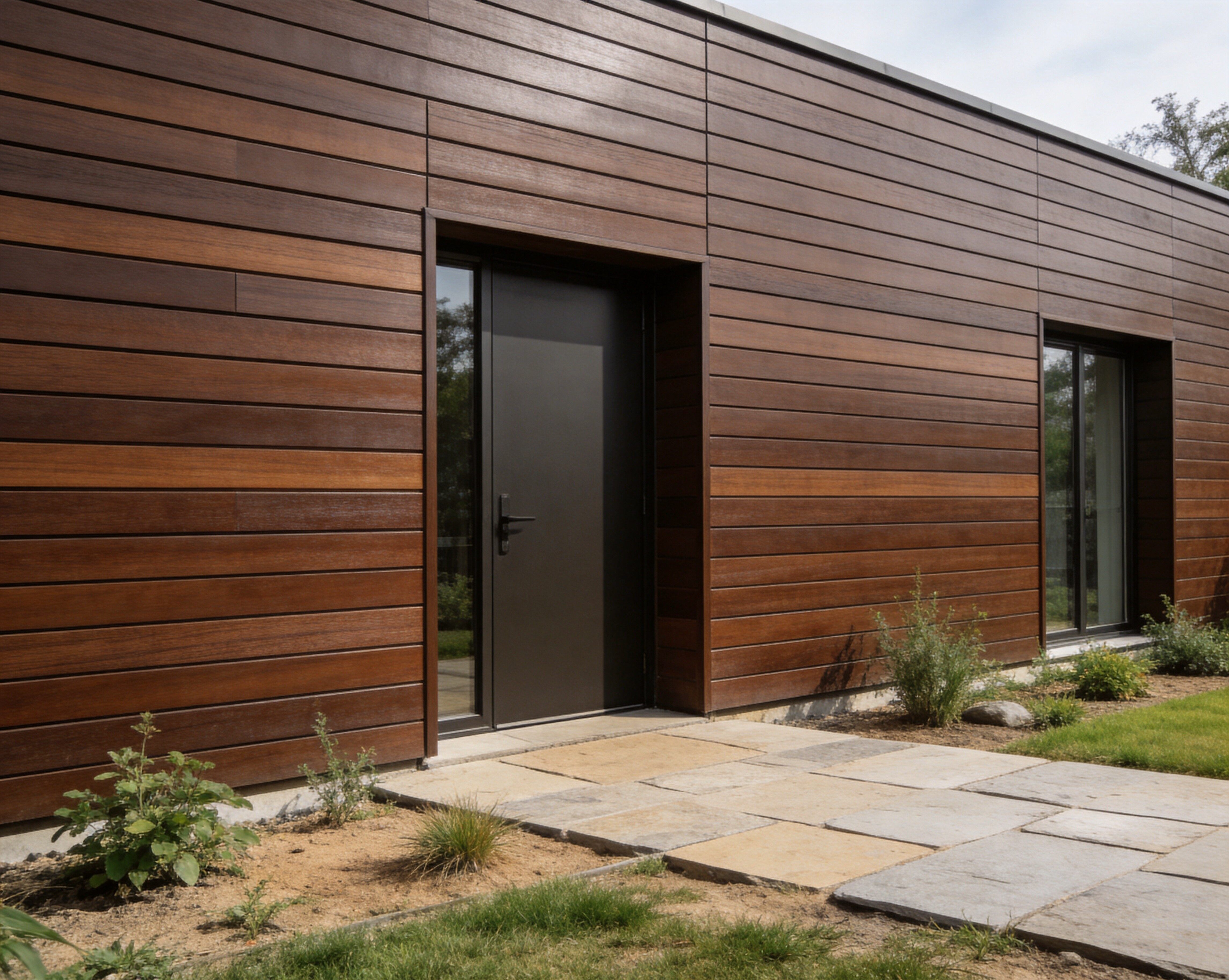
Last month, a contractor asked us to quote a 2,000 sq ft exterior facade. He expected a straightforward material price. What he actually needed was a reality check on the total project cost. If you're asking how much does exterior wall cladding cost, the short answer is $8 to $15 per square foot fully installed. But the real answer? It depends entirely on your specific project. Let's break down where your money actually goes.
The Real Cost of WPC Wall Cladding (Materials vs. Installed)
Here's what nobody tells you about material quotes. The board price is just the beginning.
If you're buying WPC wall cladding materials only, expect to pay between $3.50 and $7.20 per square foot. That gap is huge, right? It comes down to profile thickness and whether you choose standard or co-extrusion WPC cladding.
But you can't just slap boards on a wall. Once you factor in labor, sub-framing, and cladding accessories, the installed price jumps to $8 to $15 per square foot. Sound too good to be true that it's not higher? It's because WPC installs significantly faster than natural stone or brick, keeping labor hours in check.
Where Your Budget Actually Goes
Let's be honest. Most people budget 80% for the boards and 20% for everything else. Big mistake.
In our experience, a realistic budget split looks like this:
Materials (the boards themselves): 45-55%
Labor and installation: 30-40%
Sub-frame, clips, and fasteners: 10-15%
The catch is that the sub-frame isn't optional. You need aluminum or treated timber joists to ensure proper ventilation and drainage. We usually recommend aluminum. It costs about 15% more upfront than timber, but it won't warp or rot. Over a 20-year span, that's money saved.
Also, don't forget the hidden costs of prep. If your existing wall needs furring out or waterproofing, add another $1.50 to $3.00 per square foot. Most of the time, though there are exceptions, older homes need this extra step.
5 Factors That Will Make Your Quote Swing Wildly
Why did your neighbor pay $9 per square foot while you're looking at $14? It's not just contractors gouging you. The variables are real.
1. Wall height and access. Ground floor? Cheap. Third-story gable end? You're paying for scaffolding and risk premiums. Scaffolding alone can add $1,500 to a standard two-story home.
2. Hollow vs. Solid profiles. Solid WPC runs about 15-20% more expensive upfront. But it handles impact way better. If you're in a high-traffic commercial zone, solid is non-negotiable. For a residential backyard, hollow saves you cash.
3. Finish complexity. A simple smooth finish is your baseline. Add a deep 3D wood grain embossing, and you're looking at a 10-12% material upcharge.
4. Geometric design. Flat walls are fast. Lots of corners, cutouts, and angles? That pushes labor costs up by roughly 25%. Installers spend more time measuring and cutting.
5. Project size. Economies of scale are real. A 3,000 sq ft project will cost about 8-10% less per square foot than a 400 sq ft project because the setup and mobilization costs get spread out.
WPC vs. Traditional Materials: Is the Premium Worth It?
Look, natural wood is cheaper on day one. No debate there. But by year five, you're paying for staining, sealing, and replacing rotted boards.
Let's look at the 10-year total cost of ownership for a 1,000 sq ft facade.
Material | Initial Install Cost | 10-Year Maintenance | Total 10-Year Cost |
|---|---|---|---|
Natural Wood | $6,500 - $9,000 | $3,500 - $5,000 | $10,000 - $14,000 |
Fiber Cement | $9,000 - $12,000 | $1,500 - $2,500 | $10,500 - $14,500 |
Vinyl | $5,000 - $7,500 | $500 - $1,000 | $5,500 - $8,500 |
WPC Cladding | $8,000 - $11,000 | $200 - $400 | $8,200 - $11,400 |
Frankly, vinyl is the cheapest. But it fades, cracks in freezing temps, and looks cheap. WPC sits in this sweet spot. It has a UV Grade 4-5 rating, meaning it won't turn chalky white after two summers. Plus, it carries a B1 fire rating, which some insurance companies actually reward with lower premiums. Over a 15-year span, WPC actually levels out in cost and beats wood hands down.
How to Keep Your Project Under Budget
You might be wondering how to bend these numbers in your favor. Here's what we've noticed works best for our clients.
First, mix your profiles. Use solid WPC for the bottom 3 feet (the kick zone where lawnmowers and foot traffic hit) and hollow WPC for the rest of the wall. This trick alone saves roughly 12% on material costs without sacrificing durability where it matters.
Second, stick to standard colors. Custom colors have a 20% upcharge and longer lead times. Our standard teak, charcoal, and ash grey are popular for a reason.
Third, buy your accessories in bulk with your boards. Contractors often buy clips and screws locally at a markup. Sourcing them together usually knocks 5-8% off the accessory total.
Common Pricing Questions We Get Asked
Does WPC cladding increase home value?
Yes. Curb appeal matters. Because it looks premium and requires zero maintenance, appraisers and buyers usually recognize the value. You typically recoup about 70-80% of the installation cost at resale.
Are there hidden costs I should watch out for?
Waste factor. WPC isn't like painting a wall. You have offcuts. Always add a 7-10% waste factor to your material order. If you have a lot of windows and doors, bump that to 12%.
How does the 25-year warranty factor into the price?
It's baked in. You're paying a bit more upfront compared to cheap, unbranded composite boards. But that 25-year warranty (realistically 15-20 in harsh coastal climates) means you aren't replacing the facade in a decade. It's an insurance policy built into the board price.
Pricing a cladding project isn't just about picking the cheapest board. It's about looking at the whole system. If you have your architectural drawings ready, send them over. We can give you a much more accurate number than a generic per-square-foot estimate.