
How Much Does Extrusion Die (PVC/WPC) Cost? (2026 Price Guide)
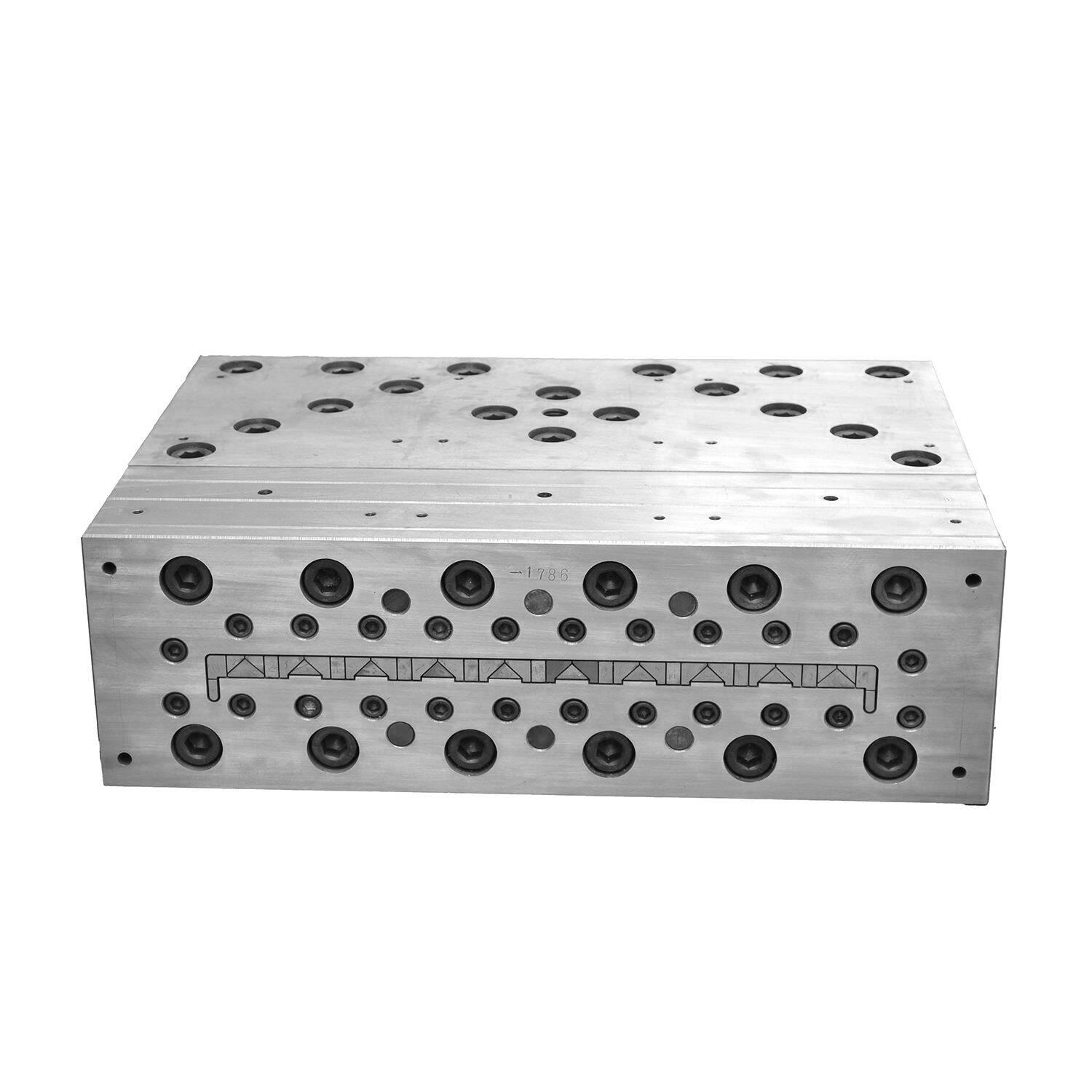
Wondering about the price tag for a new PVC or WPC extrusion die? We break down the exact costs, hidden fees, and long-term value for your 2026 production line.
The Real Cost of Extrusion Dies (PVC/WPC)
Look, if you're setting up a new production line or replacing an old tool, the price of the extrusion die is just the tip of the iceberg. You might see a quote for $4,000 and think you're done, but the real cost of manufacturing involves a lot more moving parts. Let's break down exactly how much an extrusion die for PVC and WPC costs in 2026, so you can budget accurately and avoid nasty surprises.
Average Price Ranges by Profile Type
There's no one-size-fits-all price tag here. The complexity of your profile dictates the bill. Generally speaking, here is what you should expect to pay in the current market:
Simple solid profiles (basic PVC pipes, solid trims, simple rods): $3,500 to $5,500. These are straightforward to machine and require minimal flow simulation.
Medium complexity profiles (WPC decking, hollow PVC profiles, basic fencing): $6,000 to $9,000. Our WPC decking extrusion dies usually fall into this bracket because of the specific flow dynamics needed for wood-plastic composites.
High complexity profiles (multi-chamber PVC window profiles, co-extruded WPC, complex architectural cladding): $9,500 to $15,000+. These require精密 (precision) machining, multiple flow channels, and rigorous testing.
But does it actually hold up in real life? A $3,000 die might seem like a steal until you realize it warps after 10,000 meters, forcing you to buy a replacement anyway.
What Actually Makes Up the Price?
When you get an invoice, you're not just paying for a block of steel. Here's a realistic breakdown of where your money goes:
Raw Materials (40-50%): Premium H13 tool steel or tungsten carbide inserts aren't cheap. If a supplier is quoting you significantly less, they're likely using inferior steel that will wear out fast.
Machining & CNC Time (20-30%): Multi-axis CNC milling and wire EDM (Electrical Discharge Machining) take hours, sometimes days, of continuous operation.
Engineering & Design (15-20%): This is where you shouldn't cut corners. Good engineers use 3D flow simulation software to predict melt pressure and temperature distribution before a single piece of metal is cut.
Testing & Calibration (10%): Running test batches, measuring dimensions, and tweaking the die lips until the profile is perfect.
Here's what we've noticed: factories that skimp on the engineering phase usually end up paying double in scrap material and lost production time later.
5 Factors That Will Spike Your Quote
Want to know why your custom quote is higher than your neighbor's? It usually comes down to a few specific variables:
Profile Complexity: More cavities, tighter corners, and internal ribs mean more machining time.
Material Formulation: WPC is highly abrasive. If you're running 50% wood flour, the die needs specialized flow channels and harder, wear-resistant steel, pushing costs up by about 15-20%.
Co-extrusion Requirements: Adding a protective ASA/PVC cap layer requires a completely different, much more complex die head design.
Tolerance Specs: If you need medical-grade or ultra-precise architectural tolerances (±0.05mm), expect to pay for the extra polishing and quality control.
Lead Time: Need it in 3 weeks instead of 6? Rush jobs typically add a 20-30% premium.
Hidden Costs You Need to Budget For
Don't just look at the initial invoice. The total cost of ownership includes a few things most buyers forget:
Spare Wear Parts: Always order extra mandrels, die lips, and core pins upfront. Add about 10-15% to your initial order for these spares. When a lip gets damaged, you don't want to halt production for three weeks waiting for a replacement.
Maintenance and Polishing: Every 50,000 to 80,000 meters of extrusion, your die will need to be pulled and sent back for polishing to remove carbon buildup and minor scratches. This costs roughly $300 to $600 per session, depending on the die size.
Down-time: Every time you change over a die, you lose 4 to 8 hours of production. Factor that labor cost into your operational budget.
PVC vs. WPC Dies: Is There a Price Difference?
Yes. WPC dies generally cost 15-25% more than pure PVC dies. Frankly, it's just the nature of the material. WPC has poor thermal conductivity and is incredibly abrasive. The die needs specialized, streamlined flow channels to prevent the wood flour from burning (degrading) inside the tool. It also requires harder steel treatments to prevent premature wear.
That said, some manufacturers try to use a single die for both PVC and WPC by tweaking the formulation. While this works in a pinch for low-volume runs, we usually don't recommend it for high-volume production. The flow dynamics are just too different, and you'll end up with surface defects.
How to Get the Best ROI (Without Buying Cheap)
The cheapest option is rarely the most economical in the long run. Here is how you protect your investment:
First, demand a steel certificate. If they can't prove it's premium H13 or equivalent, walk away. Second, require a flow simulation report before they cut the metal. This ensures the melt pressure is balanced, which directly impacts the surface finish of your final product. A well-balanced flow is critical if you need your final profile to meet strict UV Grade 4-5 weathering standards and B1 fire rating certifications, as poor flow can cause additive degradation.
Finally, look at the lifespan guarantee. A high-quality custom PVC profile extrusion die should last between 500,000 and 1,000,000 meters. Some premium suppliers even offer a 25-year warranty equivalent (measured in extruded meters) on the die body itself. That kind of longevity completely changes the math on your cost-per-meter.
Frequently Asked Questions
How long does a standard PVC extrusion die last?
With proper maintenance and regular polishing, a good quality PVC die will easily last 500,000 to 1,000,000 meters of extrusion. WPC dies might need major refurbishment closer to the 300,000 to 500,000 meter mark due to abrasion.
Can I repair a damaged die instead of buying a new one?
Yes, minor damage to die lips or flow channels can often be fixed via specialized welding and re-machining. However, be aware that welding can slightly alter the internal flow dynamics, so it's best used for minor fixes rather than major structural changes.
Do I need to buy a new die if I just want to change the color?
Not at all. Changing color only requires a thorough chemical and mechanical cleaning of the die. You only need a new die if you are changing the physical profile dimensions or switching material types (like moving from rigid PVC to flexible PVC).
What is the typical lead time for a custom extrusion die?
For standard profiles, expect 30 to 45 days. Highly complex co-extrusion dies or large architectural profiles can take 60 to 75 days, especially if multiple rounds of physical test extrusions are required.
Ready to Optimize Your Production Line?
Pricing is important, but the true cost of an extrusion die is measured in scrap rates, downtime, and product quality. Investing in precision tooling pays for itself within the first few months of smooth, high-volume production. If you're looking to upgrade your tooling or need a quote for a complex new profile, exploring our PVC/WPC co-extrusion die options is a great place to start building a more efficient, profitable production line.