
How Much Does PVC Decking Cost? 2026 Contractor Pricing Guide
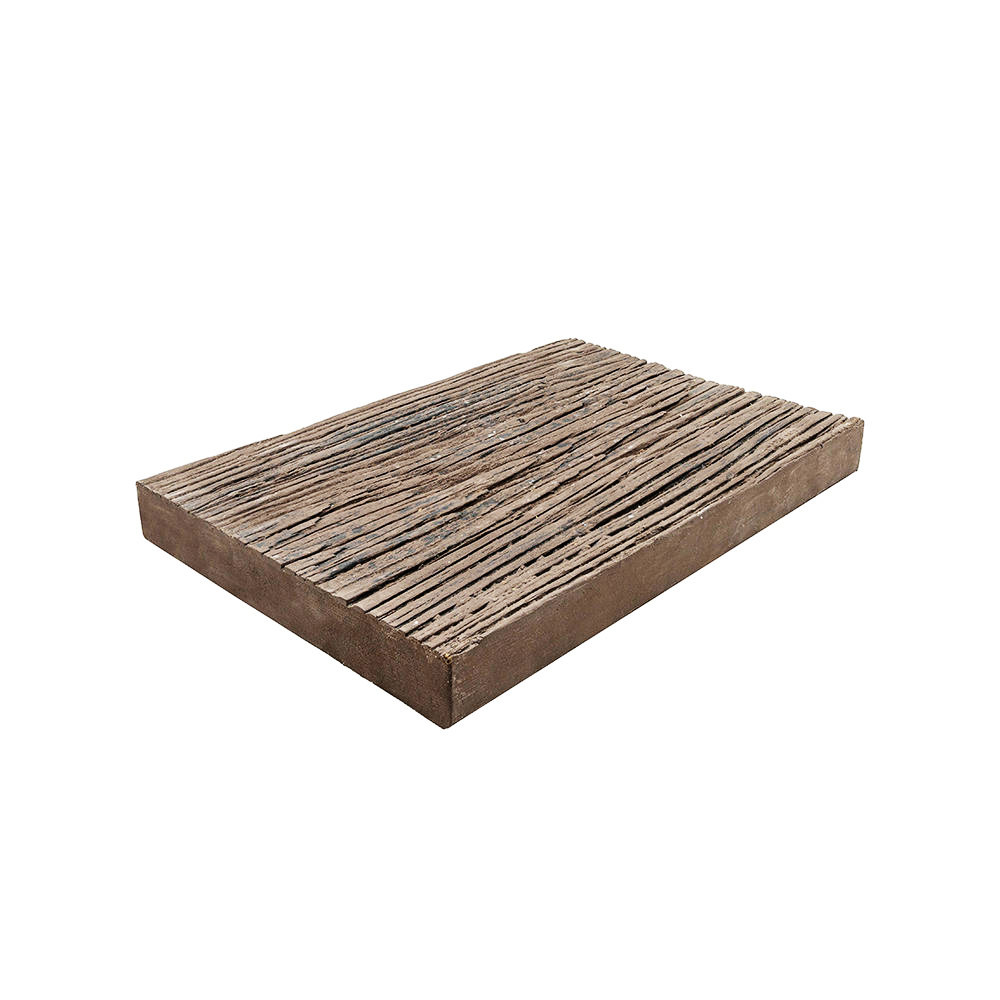
When someone asks, "How much does PVC decking cost?", they usually just want a single number. But giving you just one number would be doing you a disservice, so we're breaking down the real-world pricing for 2026.
Last Tuesday, a contractor named Mark called our office. He was bidding on a 400-square-foot coastal deck and panicked when his client saw the initial PVC quote. "Is this really what people pay?" he asked.
Look, it’s a fair question. When someone asks, "How much does PVC decking cost?", they usually just want a single number. But giving you just one number would be doing you a disservice. The real answer? It typically ranges from $8 to $15 per square foot for a fully installed project. But that’s a massive oversimplification.
Let’s break down exactly where your money goes, what drives those prices up, and how to avoid getting overcharged in 2026.
The Real Cost Breakdown: Where the Money Goes
Here’s what we’ve noticed over the years: most people only budget for the deck boards themselves. That’s a rookie mistake. The boards are just one piece of the puzzle.
1. The Deck Boards (Material)
Expect to pay between $4.50 and $8.50 per square foot for the actual PVC decking boards. Why the wide gap? It comes down to manufacturing. Basic solid PVC sits at the lower end. If you want deep wood-grain embossing, co-extruded caps, or UV Grade 4-5 fade resistance, you’re pushing toward that $8+ mark.
2. Labor and Installation
Labor usually eats up $3.50 to $6.50 per square foot. PVC is lighter than traditional wood, which speeds up handling. But it requires specific hidden fasteners and proper gapping for thermal expansion. If your installer treats it exactly like pine, you’ll have buckling boards by August.
3. The Hidden Culprit: Substructure
This is where budgets blow up. You can’t just lay PVC on rotting joists. You need a solid substructure, which adds $1.50 to $3.00 per square foot. If you opt for aluminum or composite joists to match the 25-year warranty of the deck boards, add another 20% to that number.
What Actually Drives the Price Up?
It depends on a few variables. There’s no one-size-fits-all pricing, but these are the main culprits we see on a daily basis:
Board Profile: Hollow PVC boards are cheaper and lighter. Solid PVC costs more but handles heavy hot tubs and concentrated loads much better.
Site Accessibility: If we have to carry materials up three flights of stairs or rent a crane for a second-story deck, labor costs jump 15-20%.
Design Complexity: A simple rectangular deck is cheap. Add picture framing, diagonal laying patterns, or built-in benching, and your material waste (and labor time) spikes.
Color Selection: Darker colors like mahogany or charcoal often cost slightly more due to the specialized pigments required to maintain that B1 fire rating and UV stability without warping.
PVC vs. Wood vs. WPC: The 2026 Price Match
Let’s be honest. PVC isn't the cheapest option on the block. But is it the most expensive over a 15-year period? Not even close.
Here is a quick comparison of upfront material costs per square foot:
Material | Upfront Cost (per sq ft) | 10-Year Maintenance Cost | Lifespan |
|---|---|---|---|
Pressure-Treated Wood | $3.00 - $5.00 | $1,500 - $3,000 (staining/sealing) | 10-15 years |
WPC Composite | $4.50 - $7.00 | $200 - $500 (cleaning) | 15-20 years |
100% PVC Decking | $5.50 - $8.50 | $0 - $100 (basic washing) | 25+ years |
Notice the maintenance column. With pressure-treated wood, you’re spending a weekend every two years sanding and staining. With WPC composite decking, you’re doing a simple sweep and wash. With PVC? You literally just hose it off. The upfront premium pays for itself in saved labor and chemical costs by year seven.
But does it actually hold up in real life? Frankly, yes, with one caveat. PVC gets hot in direct, blazing sunlight. If your deck faces south with zero shade, you might want to stick to lighter colors or consider WPC instead, which tends to run slightly cooler.
How to Keep Your PVC Deck Budget in Check
You don't have to empty your wallet to get a premium outdoor space. Here are a few practical ways we help our clients save:
Standardize your layout. If your deck is 14 feet wide, don't buy 20-foot boards. You'll be cutting off 6 feet of expensive material from every single piece. Buy 14 or 16-foot lengths to minimize waste.
Skip the custom framing. Picture frames and multi-color borders look great in magazines, but they increase material costs by roughly 12-15% due to off-cuts. Stick to standard straight lays.
Handle the tear-out yourself. Demolition and hauling away the old deck is a massive labor charge. If you're handy, rip it out yourself and just have the crew handle the new install.
Buy direct. Cutting out the middleman distributor can save you 15-20% on the material cost alone.
Frequently Asked Questions
Is PVC decking worth the extra money compared to WPC?
Generally speaking, yes. PVC is 100% plastic, meaning it has zero wood flour. It won't absorb water, mold, or rot. If you live near a pool, a lake, or in a highly humid coastal area, the extra upfront cost is absolutely worth the peace of mind.
Does the cost include the railing and stairs?
Usually, no. The per-square-foot pricing we discussed applies strictly to the deck flooring surface. Stairs and railings are priced per linear foot or per stair tread, and they can add 20-30% to your total project cost.
Can I install PVC decking over my existing wood joists?
You can, but we rarely recommend it. If your old wood joists are only rated for a 10-year lifespan, putting a 25-year warranty PVC deck on top of them is a waste of money. You'll be replacing the boards in a decade anyway.
Are there any hidden costs I should watch out for?
Watch out for permits, structural engineering stamps (if you're changing the deck footprint), and specialized hidden fastener clips. Some manufacturers require their proprietary clips to keep the warranty valid, and those aren't always included in the base board price.
Why is PVC more expensive than composite?
Manufacturing 100% PVC requires more advanced extrusion technology and higher-grade polymers to ensure it doesn't become brittle. It’s a denser, more complex production process than mixing wood flour with plastic for WPC.
How long does a PVC deck actually last?
Most premium PVC boards come with a 25-year limited warranty against fading and staining. In our experience, if installed correctly with proper ventilation, they easily last 30 years or more without structural degradation.
Building a deck is a major investment. Don't just look at the sticker price of the boards. Look at the total installed cost, factor in the maintenance you'll never have to do, and consider how long you actually plan to stay in the house. If you're planning to stay for the next two decades, PVC is arguably the smartest financial move you can make for your outdoor space.