
How much does PVC door cost? 2026 Hidden Fees & Material Rates
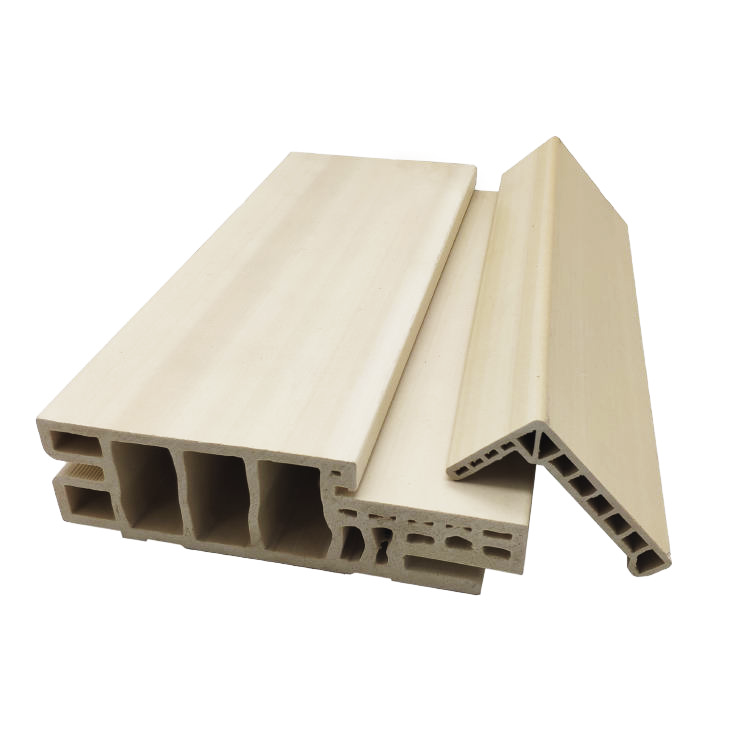
You're probably staring at a quote right now, wondering if you're getting ripped off or if it's actually a fair deal for a PVC door. Let's cut through the contractor jargon and look at the actual 2026 numbers.
The Raw Numbers: What You'll Actually Pay
Look, giving a single price for a PVC door is like asking "how much does a car cost?" It completely depends on what you're driving off the lot. But generally speaking, a standard hollow-core interior PVC door slab runs between $120 and $200. If you need a solid-core exterior unit with a deep wood-grain finish, expect to pay $250 to $450.
Installation? That usually tacks on another $150 to $350 per door. That assumes your framing is already square and plumb, though. If the contractor has to shim and adjust a wonky rough opening, that labor cost creeps up fast.
Where the Money Actually Goes
Let's break down a typical $500 installed project so you know what you're paying for.
Material (the door itself): 55-60%. This is where you're paying for the UV Grade 4-5 coating and the B1 fire rating. Cheap imports skip these, which is why they fade in two years.
Labor: 25-30%. Hanging a door isn't just screwing in hinges. It's precision work. You're paying for a gap that's exactly 1/8th of an inch all the way around.
Hardware & Accessories: 10-15%. Don't cheap out on the heavy-duty hinges or the lockset. A $15 lock will literally ruin a $300 door over time.
5 Factors That Will Spike Your Bill
There's no one-size-fits-all pricing, but here are the specific things that push your quote into the red.
Custom sizing. Standard is 36"x80". Go off-standard, and you're adding 20-30% to the material cost because it requires custom extrusion runs.
Glass inserts. They look great, but double-glazed PVC glass panels add $80 to $150 per door. Plus, they add weight, which means you might need to upgrade your hinges.
Texture and finish. A basic smooth white PVC is cheap. A deep embossed wood-grain texture costs roughly 15% more to manufacture.
Core density. Hollow core is fine for a bathroom. But for an exterior entry? You need solid polyurethane foam or wood-composite cores, which pushes the price up significantly.
The "Gotcha" repairs. We've seen that 40% of replacement projects require rotting subframe repair before the new door even goes in. Always budget a 15% buffer for structural surprises.
PVC vs. Wood vs. WPC: The Long-Term Math
Here's what nobody tells you about upfront pricing: it's mostly irrelevant if you don't look at the 10-year horizon. Sound too good to be true? Let's look at the actual math.
Wood doors might be $100 cheaper initially. But they warp, peel, and need repainting every 3-4 years. WPC (Wood Plastic Composite) is fantastic for extreme moisture. We usually recommend our WPC alternatives for coastal homes or ground-floor bathrooms. But WPC is heavier, meaning it costs about 20% more than standard PVC.
PVC hits the sweet spot. It’s lightweight, naturally waterproof, and comes with a 25-year warranty. Over a decade, PVC is almost always the cheapest option when you factor in zero maintenance costs.
Material | Upfront Cost (Slab Only) | 10-Year Maintenance | Expected Lifespan |
|---|---|---|---|
Solid Wood | $150 - $300 | $400 - $800 (painting/sealing) | 10 - 15 years |
WPC | $250 - $500 | $0 - $50 | 20 - 25 years |
PVC | $120 - $450 | $0 | 25+ years |
How to Keep the Bill from Exploding
You might be wondering how to keep the costs down without buying garbage. Here are the practical tricks we share with our clients.
First, buy direct. Retail markups on building materials are brutal. When you source directly from manufacturers for your PVC doors, you bypass the middleman and save roughly 25-30%. It's the easiest way to get premium quality at a mid-tier price.
Second, stick to standard sizes. Seriously. The moment you ask for a 34-inch width instead of 36, you're paying a custom premium for absolutely no functional benefit.
Third, DIY the demo. If you're hiring a contractor, they'll charge you for demolition and disposal. Just do the teardown yourself. It saves an hour or two of labor, which adds up fast.
Quick Answers to Pricing Questions
Are exterior PVC doors more expensive than interior ones?
Yes. Exterior doors need solid cores, multi-point locking systems, and better weatherstripping, usually making them 40-50% pricier than hollow interior slabs.
Does the color affect the price?
Standard white and basic wood grains are the cheapest. Custom colors or dual-tone finishes (different inside and out) add about 10-15% to the base price.
Is it cheaper to replace just the slab or the whole frame?
Just the slab is much cheaper upfront. But if your existing frame is out of square, you'll spend more on labor trying to make it fit. Sometimes replacing the whole pre-hung unit is actually cheaper in the long run because it guarantees a proper seal.
Do PVC doors increase home value?
They don't add a massive premium like a steel security door might, but they prevent value loss by eliminating rot and draft issues. Buyers love low maintenance, and a 25-year warranty transfers beautifully during a home sale.
At the end of the day, a PVC door is one of those rare home upgrades where the cheapest option is also the most durable. Just make sure you're comparing apples to apples when looking at quotes. Check the core density, ask about the UV coating, and verify the warranty. Get those right, and you've got a door that'll easily outlast your kitchen remodel.