
How Much Does PVC Wall Cladding Cost? 2026 Complete Price Guide
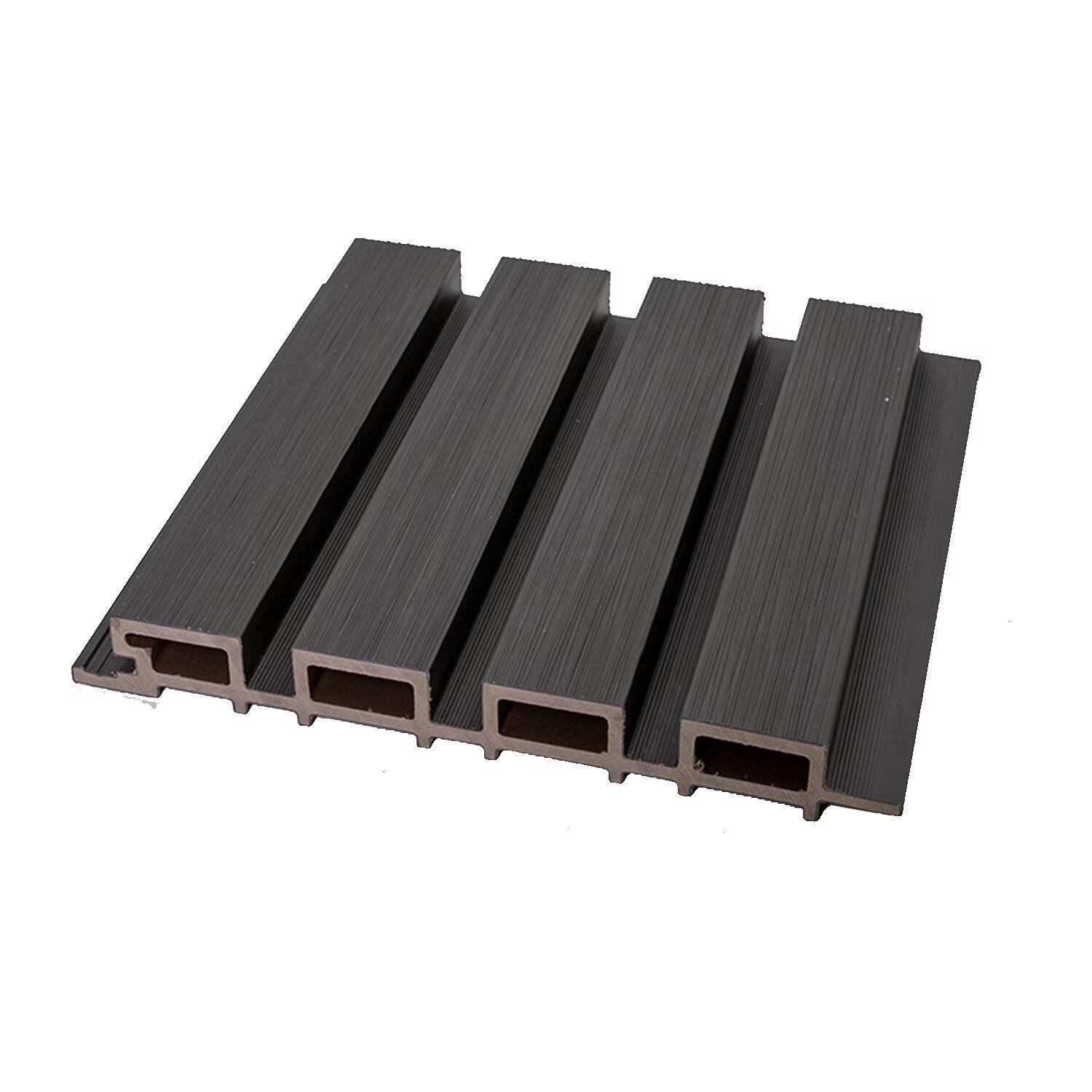
Wondering about the true price of upgrading your walls? We break down the exact costs of PVC wall cladding in 2026, from raw materials to final installation, so you can budget with absolute confidence.
The Real Cost Breakdown: Materials vs. Installation
Last month, a contractor asked us for a quote on a 2,000 sq ft commercial bathroom project. His first question wasn't about the finish or the texture. It was, "Look, how much does PVC wall cladding actually cost per square foot, and what's going to hit my bottom line?"
Fair question. Pricing is always the elephant in the room.
If you're asking yourself how much PVC wall cladding costs in 2026, the short answer is: anywhere from $3.50 to $8.50 per square foot for materials alone. But that’s just the surface. Let’s actually break down what you’re paying for, where the hidden costs hide, and how to avoid getting overcharged.
Here’s what we’ve noticed: most people budget for the panels and completely forget the rest.
Material costs for standard PVC wall cladding usually sit between $3.50 and $5.50 per square foot. If you want premium finishes—like high-definition wood grain or stone textures—expect to push that to $6.00 - $8.50.
But then there’s installation.
Labor typically adds $2.00 to $4.50 per square foot. Why the wide gap? It depends on your location and the wall's condition. If your existing walls are perfectly plumb, installation is a breeze. If they’re warped or uneven, the installer has to build out a sub-frame, which eats into your budget.
Then you need accessories. Trim pieces, internal corners, external angles, and adhesive. People often underestimate this. Budget roughly 10-15% of your material cost just for these finishing touches.
What Actually Drives the Price Up?
You might be wondering why your neighbor paid $4,000 for their bathroom and you're looking at $7,000. It usually comes down to a few specific factors.
Panel Thickness and Density
Cheaper panels are often 5mm thick and hollow. They feel flimsy and dent if you lean a ladder against them. Our 8mm and 9mm solid-core panels cost about 20-30% more upfront, but they don't crack during transport and they hold up to daily abuse.
Surface Coating Technology
A basic printed film fades. A UV-cured coating (we use UV Grade 4-5 for our premium lines) resists scratching and stops color fading. You're paying for that chemical treatment.
Project Complexity
Wrapping a flat wall is cheap. Cladding a staircase with 14 different internal and external corners? That’s going to cost you in labor and wasted material.
Fire and Safety Ratings
Not all PVC is created equal. Cheap imports might melt quickly. Our cladding carries a B1 fire rating. It’s inherently fire-retardant, which is non-negotiable for commercial spaces or multi-family homes. That certification costs money to maintain, and it reflects in the price.
PVC vs. The Alternatives: Is it actually cheaper?
Let’s be honest. PVC isn't the cheapest wall material on the planet. Drywall and paint win on upfront cost.
But does it actually hold up in real life? That’s where the math flips.
Here is a quick reality check on long-term costs:
Drywall + Paint: $1.50 - $2.50/sq ft upfront. But it needs repainting every 3-5 years in wet areas. Over 10 years, you're spending double.
Ceramic Tile: $8.00 - $15.00/sq ft (materials + heavy labor). Plus, grout lines mold and crack.
PVC Wall Cladding: $5.50 - $10.00/sq ft (installed). Zero painting. No grout to scrub.
When you factor in the 25-year warranty we provide, the cost-per-year of PVC wall cladding drops to pennies. Frankly, it’s one of the cheapest materials you can buy if you look at a 10-year horizon.
Where People Waste Money (And How to Save)
We see contractors and homeowners make the same money-bleeding mistakes all the time.
First, don't over-order. Because our PVC wall panels are easy to cut, you only need a 5-7% waste factor. Don't let a supplier talk you into a 15% waste margin unless you have a wildly complex layout.
Second, prep the walls yourself. If you're a DIYer, strip the old wallpaper, fill the major holes, and clean the surface. Paying a contractor $60 an hour to scrape old glue off your walls is a quick way to blow your budget.
Third, buy direct. Buying from a big-box retail store means you're paying for their showroom rent. Sourcing directly from a manufacturer like Aorai Tech cuts out the middleman markup, usually saving you 20-30% on the material cost.
The Downsides (Because nothing is perfect)
I’d be lying if I said PVC cladding is flawless.
The one downside we see fairly often is thermal expansion. If you install it in an unventilated sunroom that hits 120°F in the summer, the panels will expand. If you don't leave a 1/8-inch expansion gap at the top and bottom, they’ll buckle.
Also, while it looks like wood or stone from three feet away, it doesn't feel like it. If you run your hand across it, you know it's PVC. If tactile authenticity is your main goal, you might want to look at WPC instead. But for 90% of commercial and residential applications, the visual and durability benefits easily outweigh this.
Frequently Asked Questions
Let's wrap up with the questions we get asked almost every week.
Does PVC wall cladding add value to my property?
Yes. Buyers love low-maintenance spaces. A fully clad, waterproof bathroom or basement is a major selling point.
Can I install PVC cladding over existing tiles?
Usually, yes. As long as the tiles are firmly attached and not severely uneven, you can glue or mechanically fix the panels right over them. It saves you thousands in demolition costs.
How long does it actually last?
We back our premium lines with a 25-year warranty. In real-world conditions, especially indoors or in shaded outdoor areas, it easily lasts 20 to 30 years without losing its color or structural integrity.
Is it safe for indoor use?
Absolutely. Our indoor PVC cladding is zero-formaldehyde and meets strict indoor air quality standards. It doesn't off-gas harmful chemicals.
What’s the cheapest way to buy it?
Calculate your exact square footage, add 5% for waste, and buy full bundles. Buying partial boxes often incurs extra handling fees from suppliers.
Budgeting for a wall cladding project doesn't have to be a guessing game. When you look past the initial sticker price and calculate the total cost of ownership, PVC proves to be one of the smartest investments you can make for your property. Ready to get exact numbers for your specific project? Reach out to our team with your dimensions, and we’ll put together a transparent, no-nonsense quote.