
How to Maintain a WPC Fence: Real-World Care Tips for 2026
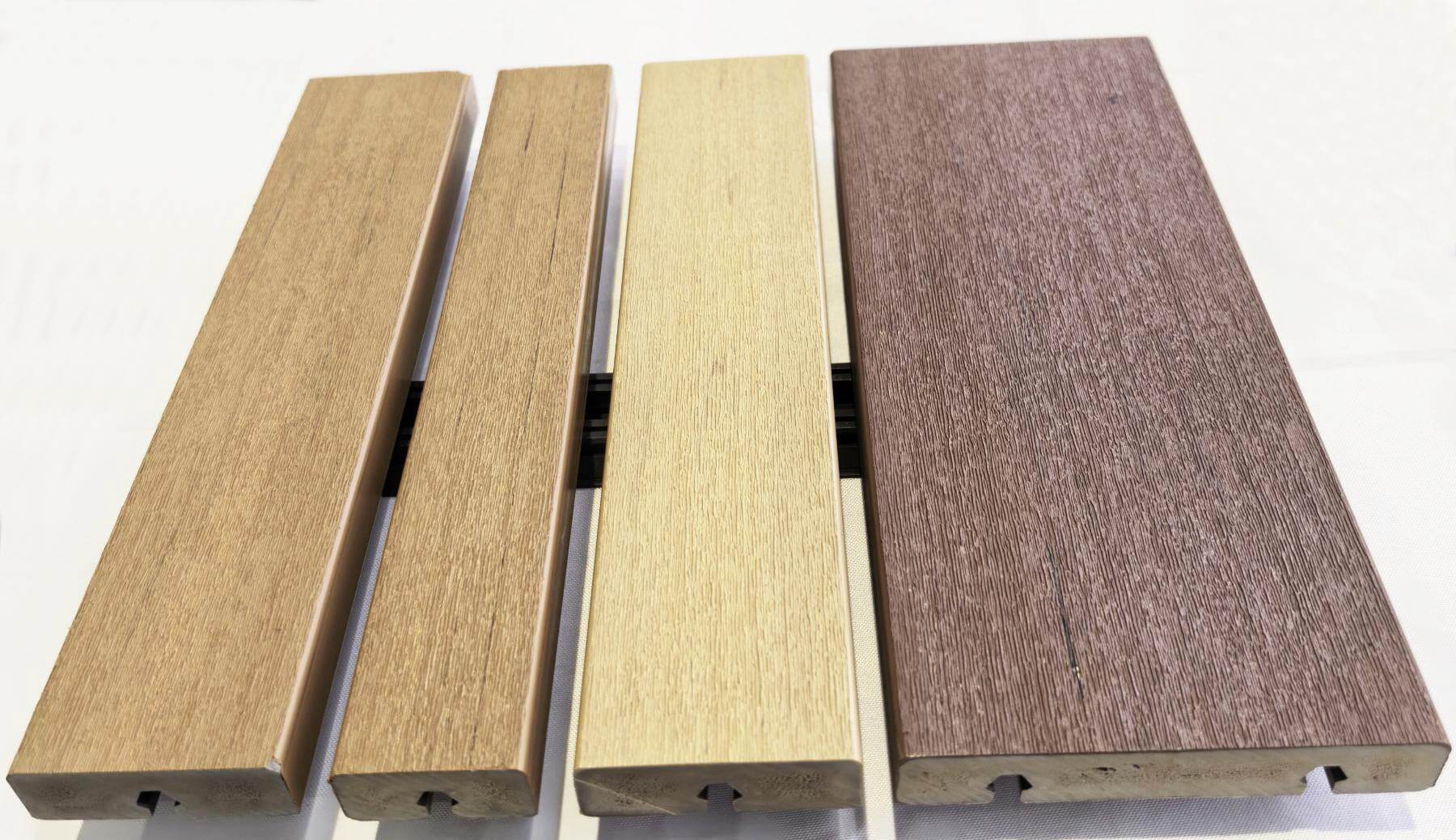
Wondering how to keep your composite boundary looking new without spending your weekends scrubbing it? Here is the no-nonsense, real-world maintenance guide you actually need.
You might be wondering if "low maintenance" actually means "zero maintenance" when it comes to your property's perimeter. Let's be honest: it doesn't. But before you grab a stiff brush and a bucket of harsh chemicals, take a breath. Caring for a composite boundary is nowhere near the weekend-consuming nightmare of treating natural timber.
The Reality of WPC Upkeep
Let's talk numbers. A traditional wood fence demands staining or sealing every two to three years, costing anywhere from $3 to $5 per square foot each time. A WPC fence, on the other hand, asks for about 10 to 15 minutes of your time once a month. That’s it. We back our products with a 25-year warranty, but realistically, hitting that milestone depends heavily on how you treat it. It’s not magic. It just requires a bit of common sense.
The Basic Cleaning Routine
Here’s what we’ve noticed from thousands of installations: most people overcomplicate the cleaning process. You don’t need specialized composite cleaners unless you’re dealing with a massive spill. A standard garden hose and a soft-bristle brush are your best friends.
Mix a few drops of mild dish soap into a bucket of warm water. Scrub gently in the direction of the grain. Rinse it off. Done. If you have a larger area, say a 200-square-foot section, this should take you roughly 20 minutes from start to finish.
A Quick Warning on Pressure Washers
Can you use a pressure washer? Yes, but with a massive caveat. Keep it under 1500 PSI. Use a wide 40-degree fan tip and keep the nozzle at least 12 inches from the surface. If you go higher or use a narrow nozzle, you’ll literally blast the textured wood-grain finish right off the board. We’ve seen it happen. It leaves permanent white streaks that no amount of scrubbing will fix.
Tackling the Ugly Stuff
What about stains, mold, and scratches? Here is how to handle the specific headaches that pop up in real life.
Mold and Mildew: These love damp, shaded areas. If you see dark spots, don’t panic. A 50/50 mix of white vinegar and water works wonders. Spray it on, let it sit for 10 minutes, and wipe it away.
Grease and Food Stains: Because yes, people grill too close to the fence. A simple household degreaser does the trick. Just avoid anything with bleach or harsh solvents. They break down the protective cap layer.
Surface Scratches: WPC doesn't scratch easily, but dragged metal chairs or sharp tools can leave marks. For light scuffs, a melamine sponge (like a Magic Eraser) gently rubbed over the area usually blends it right back in.
Seasonal Care Breakdown
There's no one-size-fits-all approach to the changing seasons. Here is what to expect throughout the year.
Spring: Pollen and dirt are the main culprits. A quick rinse with the hose usually handles it. If the pollen is thick, add a drop of soap to the water.
Summer: Intense UV exposure is the focus here. Our boards feature a UV Grade 4-5 rating, meaning fading is minimal, but keeping the surface clean prevents dirt from baking into the texture. Also, our material carries a B1 fire rating, so stray BBQ embers won't ignite it, but you should still clean up ash promptly to avoid heat discoloration.
Fall: This is the real enemy. Wet leaves sitting on the boards release tannins that can stain the surface. Sweep them off. Don't just leave them there for weeks.
Winter: Never use rock salt or calcium chloride for ice melt. It causes a weird chemical reaction that leaves a white, chalky residue. Use sand for traction instead.
Pro Tips to Extend the Lifespan
Here’s what nobody tells you about extending the life of your fence. It’s not just about cleaning. It’s about installation and airflow.
If you buried the bottom of the boards in mulch or soil, stop. That traps moisture and accelerates mold growth. Keep at least two inches of clearance between the bottom of the board and the ground. Also, respect the expansion gaps. A 1/4-inch gap between boards isn't just for looks; it lets the material breathe and expand during those hot summer days. If you butt them too tightly, they will buckle.
And if you're building out the rest of your outdoor space, make sure your composite decking gets the same airflow treatment. Moisture management is the secret to making any outdoor build last decades.
Frequently Asked Questions
How often should I deep clean my WPC fence?
Generally speaking, a thorough wash once or twice a year is plenty. The monthly 10-minute rinse handles the day-to-day dirt.
Can I paint or stain my composite fence to change the color?
Frankly, no. The factory-applied polymer shell is designed to reject liquids. Paint will peel and flake within a few months. If you want a different color, you have to replace the boards.
Will the color fade significantly over time?
There might be a slight shift in the first 8 to 12 weeks as the material settles and UV exposure stabilizes the pigments. After that, the UV Grade 4-5 rating keeps it highly resistant to further fading.
What if a board gets severely damaged?
Because our fencing systems use a hidden clip or standard screw setup, swapping out a single damaged board is straightforward. You don't have to tear down the whole section. Just unfasten the clips, slide the bad board out, and slide a new one in.
Is it safe to use a wire brush?
Absolutely not. Metal bristles will scratch the protective cap layer and leave behind tiny metal fragments that will rust and stain your fence. Stick to nylon or soft natural bristles.
Keeping your perimeter looking sharp doesn't require a second job. Stick to the basics, respect the material, and it will easily hold up to whatever the weather throws at it. If you ever run into a stubborn stain or need advice on a specific installation quirk, just reach out to our technical team. We're always happy to talk shop.