
How to Maintain PVC Decking Accessories Without Damaging Them 2026
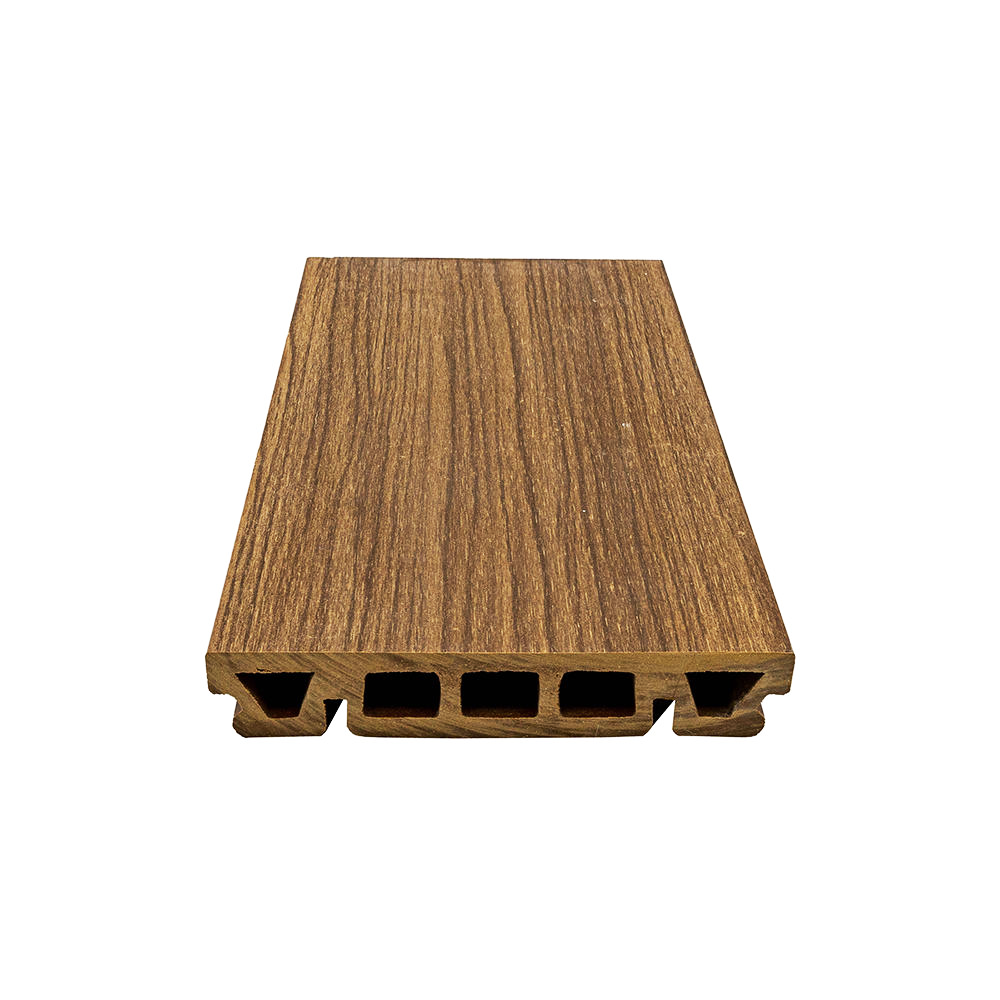
Wondering how to keep your PVC trim, fascia, and railings looking new without voiding the warranty? We break down the exact cleaning routines and hidden mistakes to avoid for your PVC decking accessories in 2026.
The "Set It and Forget It" Myth
Last month, a contractor called us in a panic. He’d just pressure washed a client’s PVC fascia at 3000 PSI, and now the finish looked like it had been sandblasted. Sound familiar? It happens more often than you'd think.
People assume PVC decking accessories are completely bulletproof. They aren't. When you install high-quality trims, stair treads, and fascias, the promise is low maintenance, not zero maintenance. Our UV Grade 4-5 rated accessories will resist fading beautifully—usually keeping their color for 15 to 20 years even in harsh climates. But dirt, pollen, and organic growth still settle. If you ignore them, or worse, clean them the wrong way, that 25-year warranty won't cover the damage.
Let's look at what actual upkeep requires, and where most people go wrong.
The Weekly and Monthly Routine
Forget complicated maintenance spreadsheets. Here is the routine we usually recommend to keep things looking sharp without wasting your weekend.
Weekly: The Quick Sweep
Just grab a broom. Leaves and pine needles sitting on PVC trim trap moisture. Over time, tannins from wet organic matter can cause stubborn yellowing, especially on lighter-colored fascia. It takes about 5 minutes. Don't skip it.
Monthly: The Basic Wash
Get a garden hose and a soft-bristle brush. Mix a standard bucket of warm water with a few drops of mild dish soap. Scrub gently, then rinse thoroughly. That’s it. For an average-sized deck perimeter, you're looking at roughly 15 to 20 minutes of work.
There's no one-size-fits-all timeline, though. If your deck is under a heavy tree canopy, you might need to do this bi-weekly during the fall.
The Danger Zone: Chemicals to Avoid
Here’s the thing. The biggest mistake we see isn't neglect; it's using the wrong cleaners. PVC is highly resistant to a lot of things, but it has its limits.
No abrasive powders. They leave micro-scratches that actually trap more dirt over time.
Avoid solvent-based cleaners. Acetone, nail polish remover, or heavy degreasers can soften the PVC surface.
Be careful with bleach. If your accessories are capped, bleach can break down the protective polymer layer if used repeatedly.
What about mold or mildew? If you see it creeping up on your PVC fascia trim, don't reach for industrial strippers. A 50/50 mix of white vinegar and water works about 80% of the time. For the remaining 20%, use a dedicated PVC-safe cleaner. Frankly, most homeowners overcomplicate this step.
Seasonal Realities
Weather changes everything. What works in July will ruin your finish in January.
Winter: The Salt Problem
If you use rock salt to melt ice on your stairs, brush it off the PVC stair treads immediately. Salt doesn't structurally damage the PVC itself, but it leaves a hazy, white residue that’s incredibly annoying to clean later. It basically bakes into the texture if you leave it until spring.
Summer: Sap and Pollen
Tree sap is sticky and unforgiving. If it drips onto your PVC railing systems, don't try to wipe it while it's wet—you'll just smear it. Let it harden completely, then gently scrape it off with a plastic putty knife. Never use a metal blade. You will scratch the surface, and those scratches will show up every time the sun hits them.
Fixing the Inevitable
Even with perfect care, things happen. Here is how to handle the common headaches.
Minor Scratches: If you have uncapped PVC, light scuffs can sometimes be buffed out with a fine-grade synthetic steel wool (grade 0000). But if you have capped accessories? You can't buff them. Sanding or buffing will just expose the core material. In that case, you just have to live with it, or replace the specific board.
Grease Stains: Dropped a burger on the deck? Make a paste of baking soda and water. Let it sit for 20 minutes to absorb the oil, then wipe it away with a damp cloth. It works about 90% of the time.
Fading: Honestly, if your PVC is fading significantly within the first 5 years, you probably bought a cheap batch. Good PVC with a B1 fire rating and proper UV inhibitors doesn't just fade. If it does, call the manufacturer, not a cleaning service.
Frequently Asked Questions
Can I use a pressure washer on PVC accessories?
Technically, yes. But should you? Only if you use a wide fan tip (40-degree) and keep the pressure under 1500 PSI. Keep the nozzle at least 12 inches away. If you get too close or use a zero-degree tip, you will gouge the material. Most of the time, a standard garden hose with a spray nozzle is safer and gets the job done.
Does PVC decking accessories need sealing or painting?
No. Never seal or paint PVC. The material is designed to be maintenance-free. Applying a sealant traps moisture against the surface and can actually cause peeling or discoloration. Paint won't adhere properly either, unless you use a specialized plastic primer, which defeats the purpose of buying PVC in the first place.
How do I remove rust stains from metal hardware on my PVC deck?
This is a tricky one. The rust isn't from the PVC; it's from the screws or brackets. Use a commercial rust remover that is specifically labeled as safe for plastics. Apply it only to the rust spot, let it work for the time specified on the bottle, and rinse immediately. Don't let it pool on the PVC.
Why is my white PVC trim turning green?
That’s algae or mildew. It happens mostly on north-facing walls or in heavily shaded areas where moisture doesn't evaporate quickly. It doesn't mean the PVC is failing. Just use the vinegar mixture mentioned above, scrub it lightly, and it should clear right up.
Keeping your exterior looking sharp doesn't require a massive time investment. Stick to the gentle cleaning routines, avoid the harsh chemicals, and your accessories will easily hit that 25-year mark. Take care of the details, and the deck takes care of you.