
PVC Decking Maintenance Tips: Complete Care & Cleaning Guide 2026
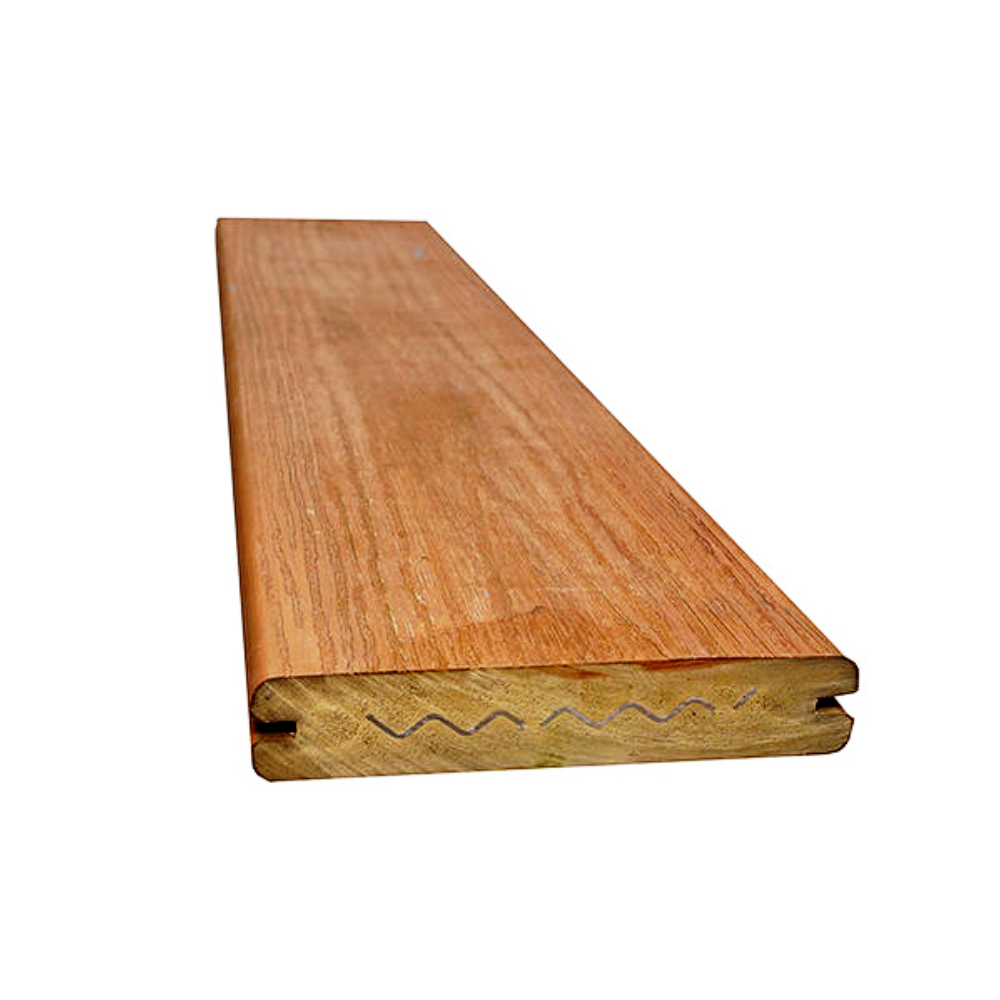
Wondering how to keep your outdoor space looking brand new without spending your weekends scrubbing? We break down exactly what PVC decking maintenance tips you need to follow for a flawless, long-lasting deck.
The "Maintenance-Free" Myth: Let's Be Honest
Last month, a homeowner called us in a panic. They’d just spent roughly $8,000 on a beautiful new outdoor space and were terrified they’d ruin it by using the wrong cleaner. They’d read online that PVC decking was "maintenance-free," and they wanted to know if that meant they could just ignore it for a decade.
Here's the thing. People buy PVC because they hate spending their Saturdays sanding and staining wood. But let's be honest—it's maintenance-reduced, not maintenance-free. Does it actually hold up in real life with minimal effort? Absolutely. But you still need to know what you're doing.
There's no one-size-fits-all magic wand, but following the right PVC decking maintenance tips will keep your boards looking sharp for years. Here is exactly how we recommend caring for your investment.
The 10-Minute Weekly Routine
You might be wondering if you need to break out the power washer every Sunday. The short answer? Usually, no. In fact, over-washing can sometimes do more harm than good.
Most of the time, a simple dry sweep is all it takes. Grab a soft-bristle broom and sweep away the leaves, dirt, and pollen. Why a soft bristle? Stiff wire brushes can leave micro-scratches on the surface, and those scratches become magnets for dirt over time.
If it’s been a dusty week, just hit it with the garden hose. A quick rinse takes about 10 minutes for a standard 200 sq ft deck. That’s really it for the weekly grind. Keep the debris off the surface, and you're 90% of the way there.
Deep Cleaning: What to Use (and What to Avoid)
Every few months, or when the deck starts looking a little dull, you'll need to do a deep clean. This is where a lot of people mess up by grabbing the harshest chemical under the sink.
Here’s what we usually recommend: mix about half a cup of mild, non-detergent dish soap into a gallon of warm water. Use a soft brush or a microfiber mop to scrub the boards gently. Rinse it thoroughly with clean water. It’s that simple.
What to avoid: Stay far away from bleach, acetone, nail polish remover, or any solvent-based cleaners. These can break down the protective cap layer of the PVC. Also, skip the metal scrubbers. We've seen that using steel wool on PVC leaves permanent rust stains and gouges that are impossible to fix.
Tackling the Ugly Stuff: Stains, Mold, and Scratches
Life happens. You drop a burger, spill some wine, or notice a dark patch in the shady corner. Here is how to handle the common headaches without stressing out.
Grocery and Grease Stains
For food spills, act fast. Wipe it up with a damp cloth. If it’s a greasy stain from the grill, a dedicated PVC deck cleaner or a simple degreaser will cut through it. Just make sure to rinse the area immediately after.
Mold and Mildew
This is the one downside we see fairly often, especially on decks that don't get a lot of direct sunlight. Mold doesn't eat PVC, but it sure loves to grow on the pollen and dirt sitting on top of it. For mold, we recommend a 50/50 mix of white vinegar and water. Spray it on, let it sit for 15 minutes, and scrub gently. It’s eco-friendly, cheap, and gets the job done about 70% of the time. For stubborn cases, a specialized composite deck cleaner with mildewcide is your best bet.
Scratches and Scuffs
PVC is tough, but it's not invincible. A dropped knife or dragging a heavy metal chair will leave a mark. Frankly, deep scratches can't be sanded out like wood. Your best bet is prevention: use felt pads under your furniture. If you do get a scuff, sometimes rubbing it with a melamine sponge (like a Magic Eraser) can lift the surface mark. But don't scrub too hard, or you'll dull the finish.
Seasonal Shifts: Summer vs. Winter Care
Your deck faces different enemies depending on the season. Adjusting your care routine slightly can make a massive difference.
Summer Sun and Heat
Our premium PVC decking features a UV Grade 4-5 rating, meaning it’s highly resistant to fading. But extreme heat can still cause thermal expansion. Make sure your installers left the proper gap spacing during installation. Also, never place a hot grill directly on the boards. The B1 fire rating means it won't easily catch fire, but direct high heat can warp or melt the surface. Always use a grill mat.
Winter Snow and Ice
When winter hits, the temptation is to grab a metal snow shovel and hack away at the ice. Don't do it. Use a plastic shovel with a rounded edge. Metal shovels will gouge the PVC. If you need to melt ice, use calcium chloride or magnesium chloride. Avoid rock salt (sodium chloride) if possible, as it can leave a white, hazy residue that requires a thorough spring cleaning to remove.
Making It Last: Beyond the 25-Year Warranty
We offer a 25-year warranty on our products, which is great. But realistically, in harsh coastal or extreme UV climates, you might see 15-20 years of peak performance if you completely ignore it. To push that lifespan to the absolute limit, keep the gaps between the boards clear. Clogged gaps trap moisture, which leads to mold growth and can affect the substructure. Use a gap cleaning tool or a flat-head screwdriver (gently!) to clear out the dirt twice a year. While the initial investment for PVC is roughly 15-20% more expensive upfront compared to traditional wood, the long-term savings on sealing, staining, and repairs make it entirely worth it. You just have to put in a little elbow grease to protect that investment.
Frequently Asked Questions
Can I use a pressure washer on my PVC deck?
You can, but you have to be incredibly careful. If you use a pressure washer, keep it under 1,500 PSI and use a wide 40-degree fan tip. Keep the nozzle at least 8 inches from the surface. Honestly? A garden hose and a soft brush are safer and usually get the job done just fine.
Why is my PVC deck getting slippery?
It’s usually not the PVC itself, but the microscopic layer of mold, mildew, or pollen sitting on top of it. A good deep clean with the vinegar solution or a dedicated deck wash will restore the slip resistance immediately.
Do I need to seal or coat my PVC decking?
No. And please don't try. PVC decking is manufactured with a solid, protective cap layer. Applying a sealant or coating will just sit on the surface, peel off, and create a massive cleanup headache for you later.
How do I remove rust stains from my deck?
Rust usually comes from metal furniture legs or fertilizer spills. A commercial rust remover designed for composite materials will work. Apply it, let it sit for a few minutes, and rinse thoroughly. Always test it in an inconspicuous corner first.
Taking care of your outdoor space doesn't have to be a chore. Stick to the basics, clean up spills when they happen, and your deck will look fantastic for years to come. Got a specific stain you can't figure out? Reach out to our team, and we'll help you sort it out.