
How to Maintain PVC Door Without Voiding Warranty: 2026 Guide
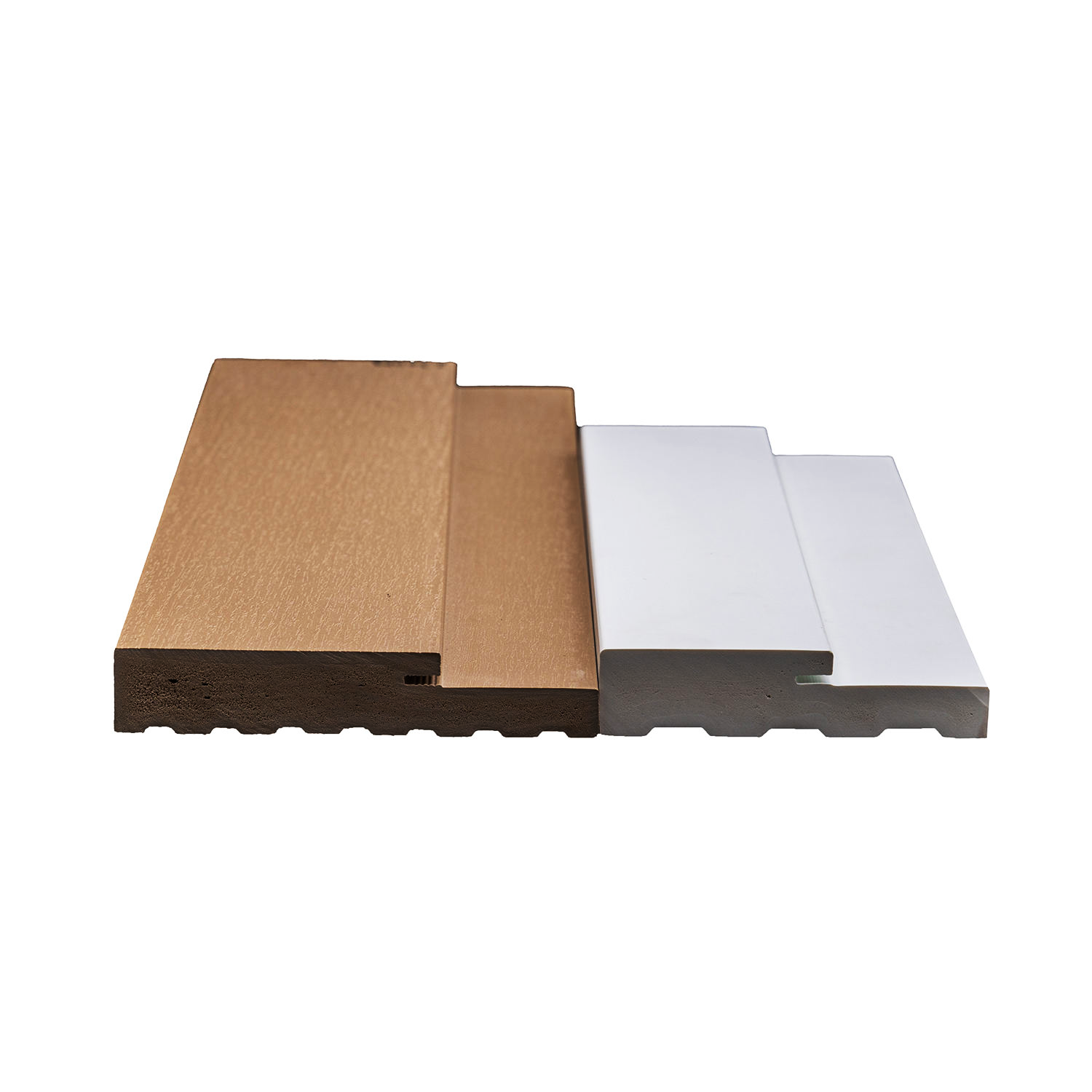
Wondering how to maintain PVC door frames and panels without accidentally voiding your warranty? We’ve put together the exact 2026 care routines our factory recommends to keep them looking brand new for decades.
The Real Reason PVC Doors Fail Early
Last month, a property manager emailed us in a panic. She’d just had a cleaning crew power-wash their new exterior PVC door profiles with a harsh alkaline solvent. The result? The crisp white finish turned a dull, yellowish-gray almost overnight.
Here’s the thing: PVC is incredibly durable. But treat it wrong, and you’ll void that 25-year warranty in about five minutes. Let’s fix that before it happens to you.
The "Do Not Do This" List
Before we get into the actual cleaning routine, we need to talk about what not to do. Honestly, 90% of the damage we see isn't from weather—it's from the wrong chemicals.
No bleach. Ever. It breaks down the UV stabilizers that give the material its UV Grade 4-5 rating.
No abrasive pads. Steel wool or rough Scotch-Brite pads will leave micro-scratches that trap dirt permanently.
No solvent-based cleaners. Acetone or paint thinners will literally melt the surface layer.
Sound obvious? Maybe. But you'd be surprised how many people grab the strongest stuff under the sink because they think "tough grime needs tough chemicals." It doesn't.
The 5-Minute Weekly Routine
Look, you don't need to spend hours on this. A proper maintenance schedule takes about 5 minutes per door, and it’s mostly common sense.
Mix a few drops of mild dish soap (like Dawn or Fairy) into a bucket of lukewarm water. Use a soft microfiber cloth or a non-scratch sponge to wipe down the frames and panels. Then, rinse with clean water. This step is crucial because soap residue just attracts more dirt the next day.
Finally, dry it off with a chamois or soft towel to prevent water spots, especially if you installed darker colored doors.
Hardware and Seals: The Forgotten Parts
Here’s what we’ve noticed: people obsess over the PVC frame but completely ignore the hardware. The moving parts actually dictate how long the door functions, not just how it looks.
Lubricate the hinges and multi-point locks every 6 months. A $5 can of silicone spray works perfectly. Don't use standard WD-40; it attracts dust and gums up the mechanism over time.
Also, check the weatherstripping. If it’s brittle or cracked, replace it. A drafty door ruins your energy efficiency, regardless of how good the insulation inside your PVC fluted panel walls actually is.
Tackling Stubborn Stains
What happens when soap and water just don't cut it? It depends on the stain.
Grease or food: A slightly stronger degreaser is fine, but rinse immediately.
Marker or ink: This is tricky. We usually recommend a specialized PVC cleaner (costs about $15 to $30). If you're in a pinch, isopropyl alcohol on a cotton swab works for small spots. Just test a hidden area first.
Mold or mildew: Mostly an issue in shaded, damp areas. Mix 70% water and 30% white vinegar. Spray it on, let it sit for 10 minutes, and wipe. No scrubbing needed.
Seasonal Tweaks
There's no one-size-fits-all approach, but seasons do change things.
During the summer, pollen and tree sap can bake onto the surface in direct sunlight. Clean them every 2-3 weeks during peak summer to prevent staining.
In winter, road salt and de-icing chemicals are brutal. If your doors face a driveway, wipe them down after a snowstorm. Salt will oxidize the surface over time, leading to that chalky look nobody wants.
Extending the Lifespan
Want to make sure your doors actually hit that 25-year mark? Apply a PVC protectant once a year. It’s like waxing a car. Products containing UV blockers add an extra layer of defense.
Also, keep vegetation trimmed back. Vines and bushes trap moisture against the frame, which promotes mold and keeps the PVC constantly damp.
Frequently Asked Questions
Can I use a pressure washer on my PVC door?
Technically yes, but we strongly advise against it. If you must, keep the pressure below 1,500 PSI and use a wide 40-degree nozzle. Hold it at least 12 inches away. Most of the time, a garden hose and a soft brush do a better job without risking damage to the seals.
Why is my white PVC door turning yellow?
Usually, this happens for one of two reasons. Either it was cleaned with a bleach-based product that destroyed the UV stabilizers, or it’s a lower-quality PVC that lacked adequate titanium dioxide in the mix. Our doors use premium compounds specifically to prevent this.
How do I remove scratches from the PVC surface?
Light surface scuffs can often be buffed out with a fine polishing compound designed for plastics. Deep scratches, however, can't be fully removed. This is why we recommend using a soft cloth and avoiding abrasive cleaners in the first place.
Does the B1 fire rating change if I use the wrong cleaner?
No. The B1 fire rating is inherent to the core material composition. However, using harsh solvents can degrade the surface integrity and void your warranty, which is a much bigger headache than worrying about the fire rating changing.
Keeping your doors in top shape isn't about buying expensive products or spending your weekends scrubbing. It’s just about knowing what to avoid and sticking to a simple, consistent routine. Treat them right, and they’ll easily last decades.