
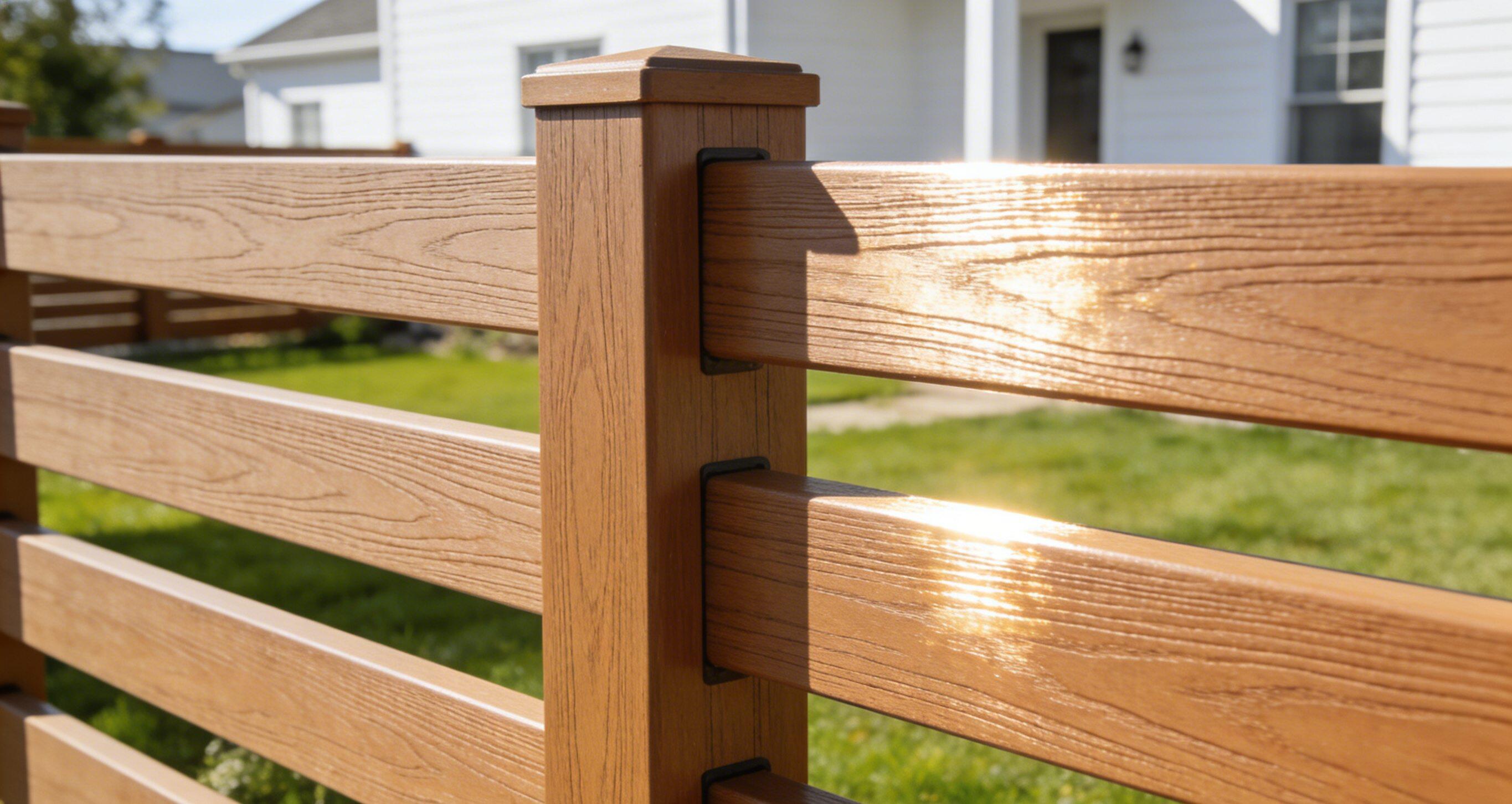
WPC Fencing Maintenance Tips: Complete Care & Cleaning Guide 2026
When searching for the best maintenance tips for fencing, homeowners primarily want to know how to keep their outdoor privacy screens looking pristine without the backbreaking work required by traditional timber. This comprehensive 2026 guide covers everything from daily cleaning schedules to seasonal upkeep and stain removal to ensure your WPC fence lasts for decades.
1. Introduction
When searching for the best maintenance tips for fencing, homeowners primarily want to know how to keep their outdoor privacy screens looking pristine without the backbreaking work required by traditional timber. Unlike wood, our premium WPC fencing requires zero painting, sealing, or sanding. However, a consistent care routine is essential to preserve its aesthetic appeal and structural integrity. Backed by an industry-leading 25-year warranty and boasting a UV Grade of 4-5, our composite fences are engineered for maximum durability. Yet, understanding exactly how to maintain them will ensure they effortlessly withstand decades of harsh weather exposure while retaining their factory-fresh finish.
2. Regular Maintenance Schedule
Establishing a predictable maintenance schedule is the secret to effortless fence care. By breaking tasks into manageable timeframes, you prevent dirt buildup and catch minor issues before they escalate.
Weekly (10 minutes): Use a soft-bristle broom to sweep away loose dirt, pollen, and cobwebs. This prevents abrasive particles from scratching the surface during wind or rain.
Monthly (20 minutes): Inspect all hardware, including screws, brackets, and post caps. Tighten any loose fittings caused by temperature fluctuations to maintain structural rigidity.
Bi-Annually (2 hours): Perform a comprehensive deep clean. This involves washing the entire surface with a mild detergent solution to remove embedded grime and restore the original color.
3. Essential Cleaning Tips
Proper cleaning techniques protect the protective co-extruded cap layer of your composite panels. Here is the step-by-step method for routine washing:
Prep the Area: Clear the base of the fence from planters or heavy debris to ensure full access to the bottom rails.
Mix the Solution: Combine 1 gallon of warm water with 2 tablespoons of mild, non-abrasive dish soap. Avoid harsh chemicals entirely.
Apply and Scrub: Using a soft sponge or microfiber cloth, apply the soapy water in circular motions. Work in 3-foot sections to manage the process efficiently.
Rinse Thoroughly: Use a garden hose with a standard spray nozzle to rinse off all soap residue. Leaving soap on the surface can cause streaking or a dull film.
What to Avoid: Never use steel wool, wire brushes, or abrasive scrubbers. Strictly avoid solvents, acetone, bleach, or strong acidic cleaners, as these will permanently damage the protective polymer shell.
4. Seasonal Care Guide
Adapting your care routine to the changing seasons ensures your fence remains resilient year-round.
Spring: Focus on removing winter grime, salt residue, and early pollen. This is the ideal time for your first bi-annual deep clean.
Summer: Pay attention to organic stains from pollen or BBQ grease splatters. Clean spills immediately to prevent them from setting under the intense summer heat.
Autumn: Wet leaves contain tannins that can cause dark staining on composite surfaces. Sweep leaves away weekly and perform your second deep clean before the first frost.
Winter: Use a plastic shovel to remove snow. Never use metal snow shovels or ice picks, which can gouge the surface. If using ice melt, choose calcium chloride-based products and avoid rock salt (sodium chloride), which can leave a white, difficult-to-remove residue.
5. How to Handle Common Issues
Even with the best maintenance tips for fencing, accidents happen. Here is how to tackle specific problems:
Tough Stains (Grease/Oil): Create a paste using baking soda and water. Apply it to the stain, let it sit for 15 minutes, and gently scrub with a soft brush before rinsing.
Surface Scratches: Minor scuffs can be buffed out using a color-matched composite wax crayon. For deeper scratches, consult a professional for touch-up kits.
Mold and Mildew: Mix equal parts white vinegar and water. Spray the affected area, let it sit for 10 minutes, and rinse. Vinegar is highly effective against spores without damaging the WPC material.
Fading: Thanks to the UV Grade 4-5 rating, significant fading is highly unlikely. If the fence looks dull, it is usually just a layer of microscopic dirt. A thorough deep clean will instantly restore the vibrant color.
Loose Boards: If a panel shifts, check the underlying aluminum or steel posts. Re-secure the brackets using stainless steel screws to prevent rust jacking.
6. Extending the Lifespan
While our WPC fencing comes with a robust 25-year warranty, proactive care extends its life even further. Ensure proper drainage around the base of the posts; standing water and constant soil moisture can accelerate hardware corrosion over time. Additionally, while our panels feature a B1 fire rating, making them highly resistant to ignition, always maintain a minimum 3-foot clearance between open flames (like fire pits or grills) and the fence surface to prevent thermal warping. Finally, trim back climbing plants or heavy vines, as trapped moisture against the panels can encourage mold growth and restrict the material's natural thermal expansion.
FAQ
1. Can I use a pressure washer on my WPC fence?
Yes, but with caution. Use a pressure washer on the lowest setting (maximum 1500 PSI) and keep the nozzle at least 12 inches away from the surface. Always spray in the direction of the wood grain texture.
2. How do I remove tough grease stains from my composite fence?
For grease or oil spills, apply a degreasing dish soap directly to the spot, or use a baking soda and water paste. Let it sit for 15 minutes before gently scrubbing and rinsing.
3. Will my WPC fence fade in direct sunlight?
Minimal fading may occur during the first 8-12 weeks as the material acclimates, but our UV Grade 4-5 co-extrusion ensures long-term color retention and prevents severe weathering.
4. What cleaning products should I strictly avoid?
Never use bleach, acetone, paint thinners, or abrasive cleaners. These chemicals break down the protective polymer cap layer, leading to irreversible damage and voiding your warranty.
5. How do I remove mold or mildew from the panels?
A simple solution of 50% white vinegar and 50% water is highly effective. Spray it on, wait 10 minutes, scrub gently with a soft brush, and rinse thoroughly with a hose.
6. Is it safe to place a fire pit near my WPC fence?
Our panels carry a B1 fire rating, meaning they are highly flame-retardant. However, to prevent thermal expansion or warping, always maintain a minimum 3-foot clearance from any heat source.
7. How often should I perform a deep clean?
We recommend a comprehensive deep clean twice a year—once in early spring and once in late autumn—to maintain the aesthetic appeal and structural health of your fencing.
Ready to transform your outdoor boundaries with materials that require minimal upkeep? Explore our extensive range of composite decking and WPC cladding to complete your exterior renovation with matching, low-maintenance, and highly durable building solutions.