
WPC Outdoor Decking Maintenance Tips: Complete Care Guide 2026
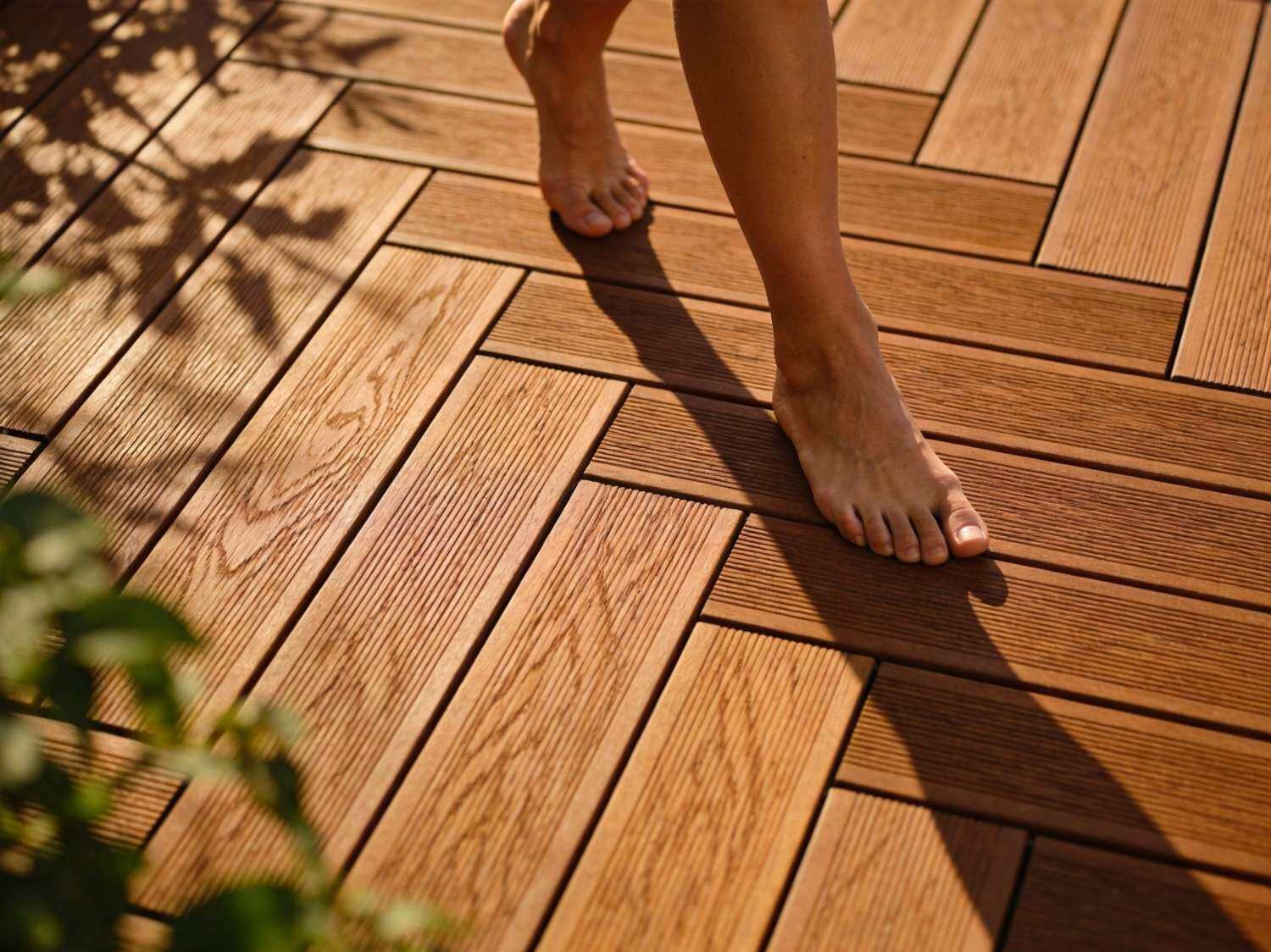
You’ve invested in a beautiful composite deck, and now you’re wondering exactly what it takes to keep it looking brand new. Here is the honest truth about WPC outdoor decking maintenance tips and how to actually care for it without wasting your weekends.
A homeowner called us last month, pretty frustrated. They’d just spent their entire Saturday scrubbing their composite deck, only to find weird streaks and dull spots. Sound familiar?
Look, the phrase "low maintenance" gets thrown around a lot in our industry. Sometimes it's misunderstood as "zero maintenance." That's just not how it works. While our WPC outdoor decking might cost roughly 15-20% more upfront than traditional timber, it saves you hundreds of hours (and dollars) in sanding and staining over the years. But it still needs some love.
Here’s what we’ve noticed from installing thousands of square feet: the decks that look best a decade later aren't the ones that were ignored. They’re the ones with a simple, realistic care routine. Let's break down exactly what that looks like.
The Realistic Cleaning Schedule
There's no one-size-fits-all rule here, because a deck under a big oak tree needs more attention than one in full sun. Generally speaking, though, here is a baseline that works for 90% of our clients.
Weekly (5 minutes): Just sweep it. A soft-bristle broom is all you need. Don't use a wire brush unless you want to ruin the surface texture.
Monthly (15-20 minutes): Give it a rinse with a garden hose. If there’s visible dirt, mix a bucket of warm water with a few drops of mild dish soap. Scrub gently.
Bi-Annually (Half a day): This is your deep clean. Spring and fall are ideal. We usually recommend renting a surface cleaner or just using a pump sprayer for a dedicated composite deck cleaner. It takes about 2-3 hours for a standard 200 sq ft deck.
What to Use (And What to Avoid)
Here's the thing: WPC is highly resistant to stains, but it’s not invincible.
Stick to basic soap and water for 95% of your cleaning needs. If you're dealing with grease from a BBQ, a dedicated degreaser works fine. Just rinse it thoroughly afterward.
But frankly, avoid the harsh stuff. No bleach. No acetone. No abrasive powders. These can strip the protective co-extruded cap layer on our premium boards. Once that cap is compromised, the board becomes way more susceptible to moisture and staining.
Also, skip the high-pressure washer if you can. If you absolutely must use one, keep it under 1500 PSI and use a wide 40-degree fan tip. Hold it at least 12 inches from the surface. We've seen people blast the texture right off the boards because they got impatient.
Handling the Inevitable Stains and Issues
Even with the best care, life happens. Here is how to handle the common headaches without panicking.
Mold and Mildew: This usually pops up in shaded, damp areas. Our boards have built-in anti-fungal properties, but organic matter (like wet leaves) sitting on the deck will feed mold. Sweep it off. For existing spots, a 50/50 mix of water and white vinegar usually does the trick. Let it sit for 10 minutes, scrub, and rinse.
Tree Tannins: If you have overhanging branches, those dark, wet leaf stains can be stubborn. A dedicated oxygen bleach cleaner (not chlorine bleach) breaks down the tannins without harming the board.
Surface Scratches: Light scuffs from moving patio furniture? Usually, they fade after a few weeks of UV exposure. Deeper scratches are rare because of the tough cap layer, but if they happen, a color-matched repair wax is your best bet.
Fading: Our decking boasts a UV Grade 4-5 rating, which is the highest tier for colorfastness. That said, all materials shift slightly in the first 8-12 weeks as they weather. It’s normal. After that initial settling period, the color locks in.
Seasonal Quirks You Should Know
Winter throws a specific curveball. If you get snow, use a plastic shovel. Metal edges will gouge the surface. And please, don't use rock salt or calcium chloride to melt ice. It can leave a white, chalky residue that’s a nightmare to clean. Sand works better for traction.
Fall is all about leaf management. Wet leaves contain tannins that can stain the surface if left for weeks. Don't just blow them off; bag them. And check the gaps between boards for accumulated debris that blocks drainage.
In the summer, the main enemy is pollen and BBQ grease. Keep a cover over your grill when it's not in use. It sounds basic, but it prevents 80% of the stubborn grease stains we see.
Extending the Lifespan (Pro Tips)
We offer a 25-year warranty on our WPC outdoor decking, but realistically, you'll see 15-20 years of peak performance in harsh climates if you skip the basics. Want it to last closer to that 25-year mark?
Ensure proper drainage. The boards need to breathe. If you install them flat against a solid concrete patio without gaps, moisture gets trapped underneath. That’s when you get cupping or weird discoloration. Leave at least a 1/4 inch gap between boards during installation.
Also, check your substructure. The deck boards are tough, but if the joists rot underneath, the whole system fails. Make sure you're using compatible, non-corrosive fasteners and proper joist spacing (usually 12 to 16 inches on center, depending on the board profile).
Quick Maintenance FAQs
Can I paint or stain my WPC deck?
Please don't. The whole point of composite is that it doesn't need it. Paint won't adhere properly to the non-porous cap layer and will just peel off in a year.
How do I stop my dog from slipping on the deck?
When it's wet, composite can be a bit slick. Regular sweeping keeps the texture clear of debris, which helps with grip. If it's a major issue, look into adding outdoor rugs with breathable backings.
Is WPC decking fireproof?
It’s highly fire-resistant. Our boards carry a B1 fire rating, which is excellent for outdoor safety, but no wood-plastic product is 100% fireproof. Keep fire pits elevated and away from the direct surface.
Why does my deck look chalky after the first few months?
That’s just the initial weathering process. The UV stabilizers are doing their job. A good wash with soapy water will remove the chalky residue and reveal the true, locked-in color.
Can I use a wire brush to remove deep dirt?
No. Wire brushes will scratch the protective cap layer. Always stick to soft nylon or natural bristles.
Taking care of your deck doesn't have to be a chore. Stick to the basics, clean up spills when you see them, and let the material do what it was engineered to do.
If you're planning a new build or a replacement and want to see how our specific profiles handle real-world wear, check out our full range of composite fencing and decking options to find the right fit for your climate.