
Pros and Cons of WPC Extrusion Die: Honest 2026 Review Guide
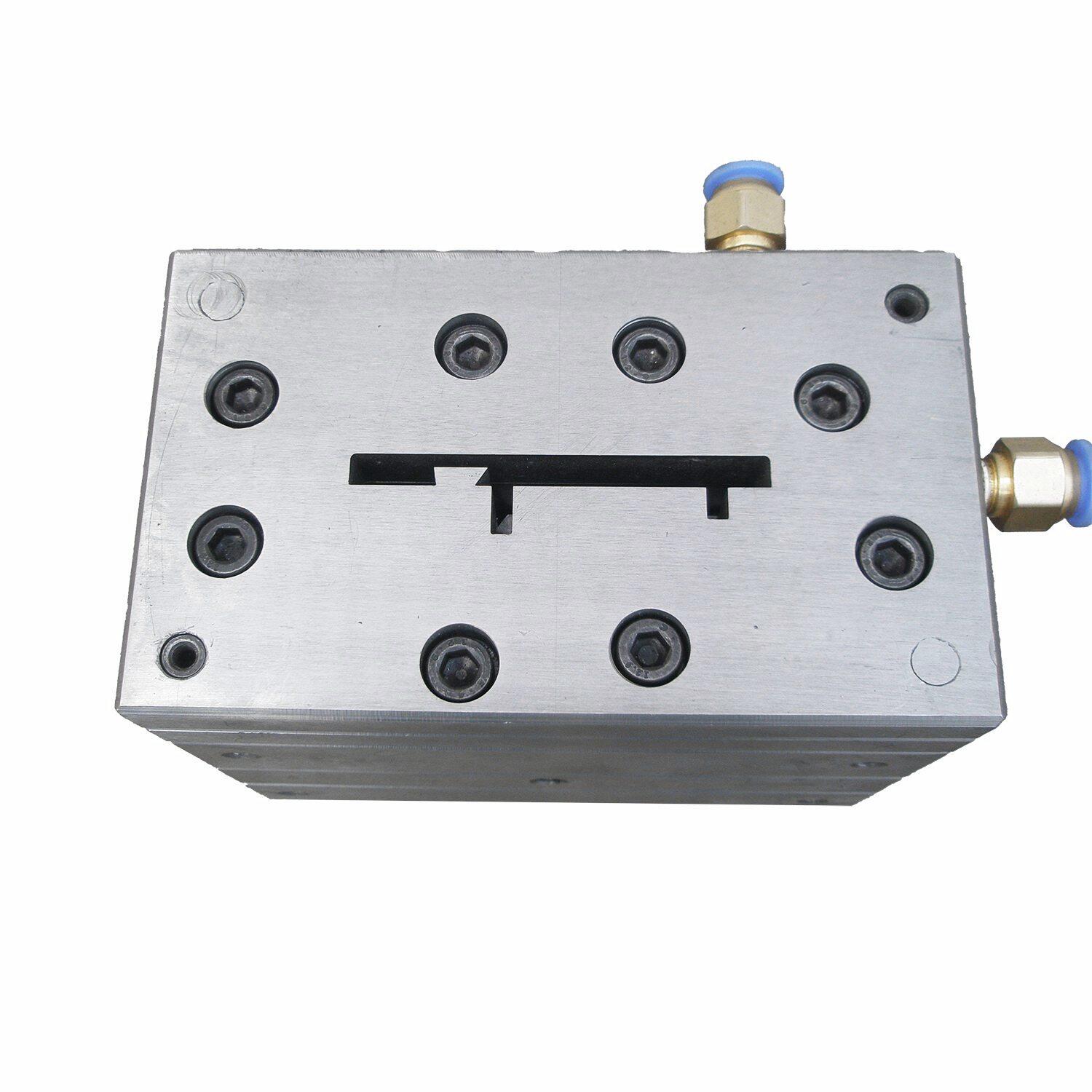
Thinking about investing in a new WPC extrusion die for your manufacturing line? We break down the real-world advantages and the hidden drawbacks so you can make a smart, profitable choice.
1. The Real Deal on WPC Extrusion Dies
Look, buying industrial tooling isn't like picking out office supplies. When you're evaluating the pros and cons of a WPC extrusion die, you're looking at the literal heart of your production line. A good die dictates your output quality, your scrap rate, and ultimately, your profit margin.
We've been in the WPC manufacturing equipment space for years. We've seen factories thrive with the right tooling and struggle when they cut corners. So, let's skip the marketing fluff. Here is an honest, no-nonsense look at what you actually get when you invest in a high-quality WPC extrusion die.
2. What We Actually Love (The Major Pros)
Let's start with the good stuff. When you spec out a premium die, the advantages show up almost immediately on the factory floor.
Unmatched Profile Precision: This is the big one. A well-engineered die gives you tight tolerances. We're talking wall thickness variations of less than 0.1mm. That means less post-extrusion calibration work and a product that actually clicks together perfectly during installation.
High Output Speeds: Modern flow channel designs reduce material resistance. You can push throughput up by 15-20% compared to older, generic dies without sacrificing surface finish.
Material Versatility: The best dies handle a wide range of formulations. Whether you're running a 60/40 wood-plastic mix or something with higher recycled content, a good die adapts without constant tweaking.
Durability and Wear Resistance: We use premium tool steels (like H13 or specialized alloys) with nitride treatments. Frankly, these dies can run for millions of meters before needing a major rebuild.
Consistent Surface Texturing: You know how annoying it is when the wood grain pattern looks blurred or inconsistent? Advanced die land lengths ensure the embossing or co-extrusion layer lays down perfectly every single time.
Energy Efficiency: It sounds minor, but a smooth internal flow path reduces the pressure the extruder has to generate. That translates to roughly 5-8% lower energy consumption per ton of output.
3. The Catch (Where They Fall Short)
But does it actually hold up perfectly in every scenario? Not quite. Let's be honest about the drawbacks. There's no one-size-fits-all in manufacturing.
First off, the upfront cost is steep. A top-tier, custom-machined die isn't cheap. You're looking at a significant capital expenditure compared to off-the-shelf options.
Then there's the maintenance reality. Here's the thing: these aren't "set and forget" tools. If you're running highly abrasive recycled materials, you'll need to schedule regular polishing and flow channel inspections. Neglect this, and you'll see drag marks on your profiles within weeks.
Also, customization takes time. If you want a completely new profile shape, the design, machining, and testing phase usually takes 4 to 6 weeks. You can't just order it on Monday and run it on Tuesday.
Finally, there's a learning curve. Your extrusion operators need to understand the specific thermal and pressure profiles of that exact die. Swap in a new die, and expect a day or two of trial runs to dial in the perfect parameters.
4. Is This Tooling Right for Your Production Line?
So, who should actually pull the trigger on a premium die?
If you're running a high-volume WPC decking production line, absolutely. The ROI on reduced scrap and higher line speeds pays for the die in less than a year.
It's also a no-brainer if you're producing co-extruded profiles. The precision required for the cap layer means you can't rely on cheap, generic tooling. You need that tight tolerance to ensure the cap doesn't delaminate.
Basically, if your brand reputation relies on flawless surface finishes and perfect dimensional stability, invest in the good stuff.
5. When to Look at Alternatives
We won't try to sell you a die if you don't need one. When might you want to hold off?
If you're a startup just testing a new material formulation, burning $25,000 on a custom die is risky. Start with a standard, modified off-the-shelf die to prove your concept.
Similarly, if you're only running short batches of highly experimental profiles, the downtime required to swap and clean complex dies might eat into your margins. In those cases, simpler, single-profile tooling might make more sense.
6. The Money Talk: Cost vs. Long-Term Value
Let's talk numbers. A standard, high-quality WPC extrusion die typically ranges from $12,000 to $35,000, depending on the profile complexity and whether it includes a co-extrusion manifold.
Sound like a lot? Here's what we've noticed when we run the math with our clients.
A cheap die might save you $8,000 upfront. But if it causes a 3% higher scrap rate on a line producing 500 tons a year, you're losing way more than that in wasted raw material. Add in the downtime for frequent adjustments, and the "cheap" die actually costs you more by month six.
With a premium die, most manufacturers see a full return on investment within 14 to 18 months. After that? It's just pure margin expansion. Plus, a well-maintained die easily lasts 7 to 10 years, giving you a 25-year warranty equivalent on the tooling itself.
7. Quick Answers to Common Questions
How long does a WPC extrusion die typically last?
With proper cleaning and regular polishing, a high-grade tool steel die will easily process over 2 million meters of profile before needing a major rebuild.
Can one die run different WPC formulations?
Generally speaking, yes. But there are limits. Switching from a standard wood-plastic mix to a highly filled, abrasive recycled mix will accelerate wear. You might need to adjust your puller speed and cooling calibration.
What's the lead time for a custom die?
Usually 4 to 6 weeks. This includes 3D flow simulation, CNC machining, heat treatment, and final bench testing. Don't rush the testing phase; it saves you headaches on the factory floor.
Do these dies support B1 fire rating materials?
Yes. When you're extruding formulations designed to meet a B1 fire rating, the die's internal flow channels must be perfectly polished to prevent material stagnation and burning. Our dies are specifically designed to handle these sensitive, high-performance compounds.
How do I know if the die needs maintenance?
Watch the extrudate. If you see drag marks, uneven wall thickness, or a dull surface finish, the flow channels likely have buildup or minor wear. Pull the die and inspect it immediately.
What about UV stability in the final product?
The die itself doesn't provide UV resistance, but it ensures the proper dispersion of UV stabilizers in the melt. A good die helps you consistently achieve UV Grade 4-5 in the final WPC product by preventing material degradation inside the barrel.
Ready to Upgrade Your Extrusion Line?
Choosing the right tooling is about looking past the initial price tag and focusing on total cost of ownership. If you're tired of high scrap rates and constant line adjustments, it might be time to upgrade.
Explore our range of custom extrusion dies designed for maximum uptime and precision. Let's build something that lasts.