
Pros and Cons of WPC Outdoor Decking: An Honest Review 2026
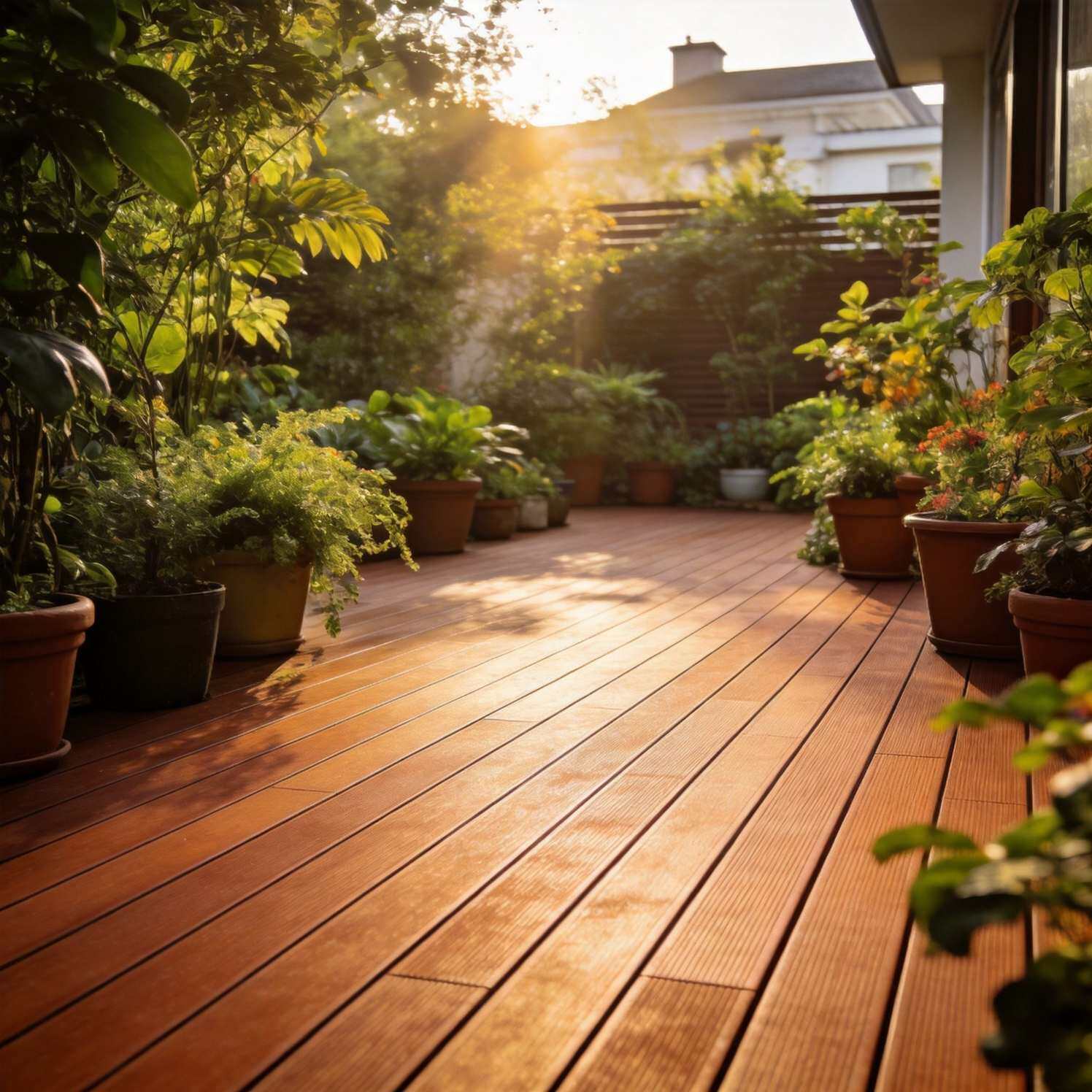
Wondering if composite is worth the hype? We break down the real-world pros and cons of WPC outdoor decking to help you make the right choice for your 2026 project.
The Real Talk: Pros and Cons of WPC Outdoor Decking
Last month, a contractor asked us if they should switch entirely to composite for a commercial boardwalk project. It’s the question we get every single day. So, let’s cut through the marketing fluff and look at the actual pros and cons of WPC outdoor decking in 2026. We’ve installed over 50,000 square feet of this stuff. Here is what actually happens in the real world.
Why Everyone is Switching (The Advantages)
Let's start with the good stuff, because frankly, the benefits are why 70% of our customers choose composite over traditional timber.
1. You Never Have to Stain It Again
This is the biggest selling point. Wood needs sanding, sealing, and staining every 1-2 years. WPC? You just sweep it. Maybe wash it with soap and water once a season. That's it. Over a 10-year period, you're saving roughly $500 to $800 in maintenance chemicals and labor.
2. It Laughs at Moisture and Rot
Wood rots. It warps. It swells. Our WPC boards are fully capped and engineered to repel water. We've seen boards submerged in pool splash zones for years with zero structural degradation. It just sits there.
3. Termite Proof
Insects love wood. They absolutely hate plastic and wood fiber blends. You won't need to pay for annual pest control treatments for your deck substructure.
4. Consistent Aesthetics (UV Grade 4-5)
With natural wood, you get knots, sap pockets, and uneven grain. Our WPC outdoor decking offers uniform color and texture. Plus, with a UV Grade 4-5 rating, it won't turn that ugly chalky white after one brutal summer.
5. Barefoot Friendly and Splinter-Free
Try walking barefoot on an old, weathered pine deck. Ouch. WPC stays smooth. No splinters, no popped nails. It's significantly safer for kids and pets.
6. Fire Resistance
Safety matters. Our composite boards carry a B1 fire rating. While no decking is entirely fireproof, it resists ignition much better than dry timber.
7. Eco-Friendly Composition
It's made from recycled plastics and reclaimed wood fibers. You're keeping waste out of landfills while building a beautiful outdoor space.
8. Long-Term Lifespan
We offer a 25-year warranty. Realistically, in harsh climates, expect 15-20 years of solid performance. In moderate climates, it easily outlasts that.
The Catch: Honest Disadvantages
Look, it's not perfect. Here's where it falls short, and what nobody tells you until after the invoice is paid.
1. The Upfront Sticker Shock
Frankly, it costs more. WPC is roughly 15-20% more expensive upfront compared to pressure-treated pine. You're looking at about $3.50 to $5.50 per square foot for materials alone. You have to be willing to pay for long-term value.
2. Heat Retention
This is basic thermodynamics. Dark colors absorb heat. In places like Arizona or Texas, a dark brown composite board can hit 130°F to 140°F in direct July sun. If you have a pool deck in full sun, go with a lighter color or add shade structures.
3. Scratching and Scuffing
If you have a large, energetic dog, their claws can leave micro-scratches. Dragging heavy metal patio furniture will also mark the surface. It’s durable, but it’s not invincible. Use furniture pads.
4. Weight and Structural Requirements
WPC is heavier than wood. This means your joist spacing might need to be tighter (usually 12 inches on center instead of 16). If your existing frame is weak, you'll need to reinforce it, adding to the cost.
5. It Doesn't Smell or Feel Exactly Like Wood
Purists will notice. It doesn't have that natural cedar aroma. The texture is embossed to mimic wood, but up close, you can tell it's engineered. If you want the absolute real deal, composite isn't for you.
6. Fading Over Decades
While it resists UV well, it won't stay brand new forever. After 10-15 years, you might notice a very slight, even lightening of the color. It won't peel, but it won't look like day one either.
Who Should Actually Buy This?
WPC is perfect for busy homeowners who hate weekends spent sanding decks. It’s also the undisputed king for commercial boardwalks, pool surrounds, and high-traffic rental properties where maintenance budgets are tight.
On the flip side, if you are on an ultra-strict, rock-bottom initial budget, or you are building a shaded, low-traffic backyard deck and just love the smell of natural timber, stick to wood.
Cost vs. Value: Is the ROI Real?
Let's run the numbers. A 200 sq ft wood deck might cost $2,000 in materials. The same size in WPC is about $2,500. That's a $500 difference. But over 10 years, you'll spend roughly $600 staining and sealing the wood. WPC costs $0. The break-even point usually hits around year 4 or 5. After that, it's pure savings. Plus, it boosts your home's resale value because buyers love "zero maintenance."
Frequently Asked Questions
Does WPC decking get too hot for bare feet?
It can, especially in dark colors and direct sunlight. We always recommend lighter shades for pool decks or choosing a shaded layout. It stays cooler than PVC, but it's not immune to the sun.
Can I paint or stain my WPC boards?
Please don't. The surface is designed to reject moisture, which means paint won't adhere properly and will peel horribly. Buy the color you want from the start.
How long does installation take?
For a standard 200 sq ft deck, a professional crew can usually finish it in about 2-3 days. The hidden clip systems make it faster than face-screwing wood.
Is it slippery when wet?
Generally, no. The embossed wood-grain texture provides excellent slip resistance, making it much safer than smooth wood or tile when wet.
Does it expand and contract?
Yes, all materials do. WPC expands slightly with heat. That's why proper gapping during installation (usually 1/8 to 1/4 inch at the ends) is absolutely critical. Don't skip this step.
Can I install it over my existing wood joists?
Only if the joists are in perfect, structural condition. Since WPC is heavier and requires 12-inch joist spacing, you often need to add extra joists or sister them. Check your frame first.
Final Thoughts
At the end of the day, the pros and cons of WPC outdoor decking come down to your priorities. If you want to trade a higher upfront cost for a decade of zero weekend maintenance, it’s the best investment you can make. If you want to pair it with a matching perimeter, check out our composite fencing options to complete the look. Measure twice, choose your color wisely, and enjoy your new outdoor space.