
Pros and Cons of WPC Railing: A Complete Honest Review 2026
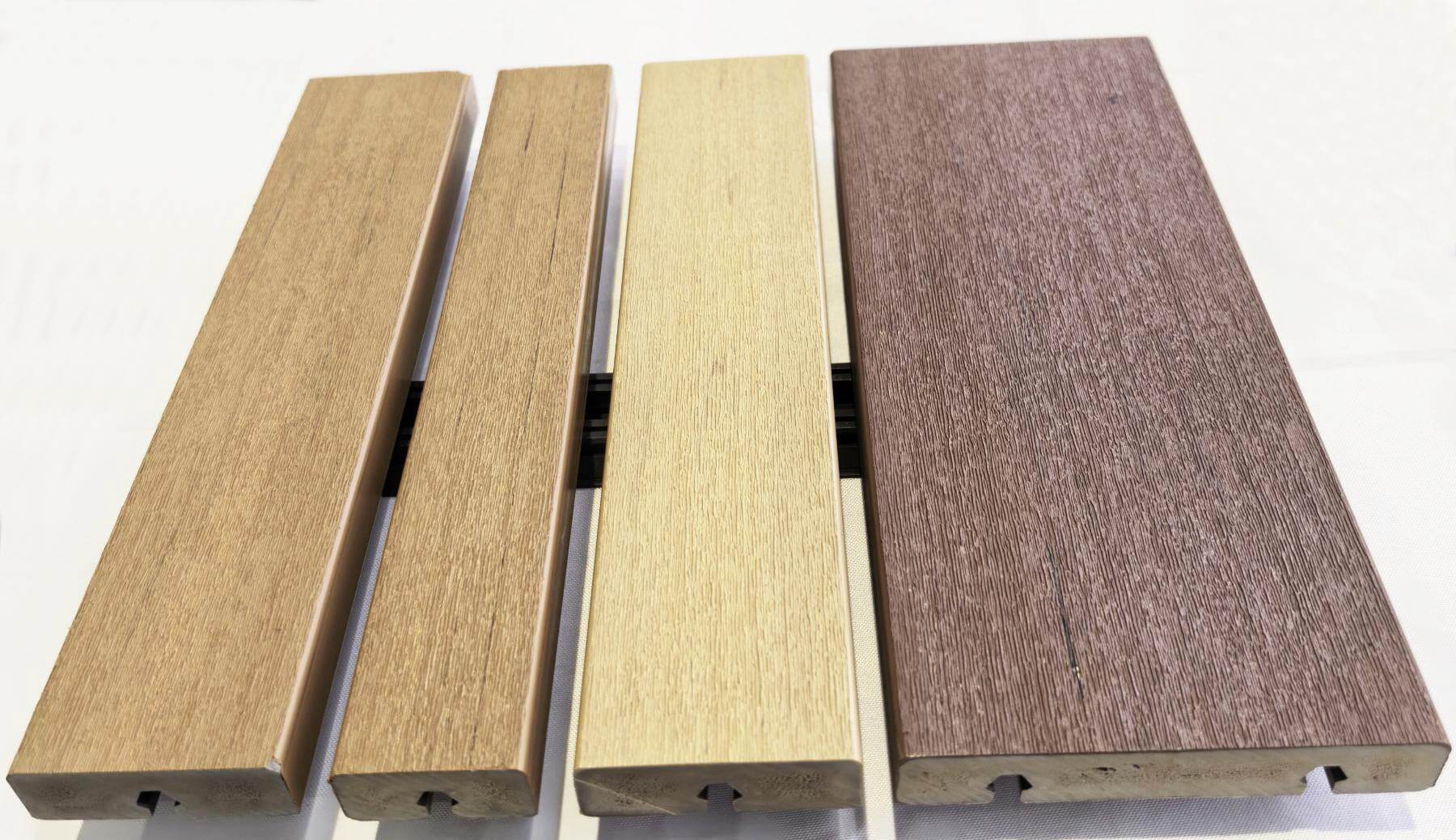
Thinking about upgrading your deck or balcony? We're breaking down the exact pros and cons of WPC railing so you can decide if it's actually worth your money in 2026.
Last month, a deck builder asked me point-blank: 'Is WPC railing actually worth the premium, or is it just marketing hype?' It’s a fair question. With traditional wood rotting and aluminum denting, composite options have become the default choice for a lot of modern builds. But does it actually hold up in real life?
Let's be honest—it’s not a magic bullet. Here is the unfiltered truth about the pros and cons of WPC railing, straight from the field.
The Real Advantages (Why People Love It)
Look, nobody wants to spend their Saturday sanding splinters. That’s the biggest selling point. Our WPC railing systems are designed to look like natural timber without the endless upkeep. You get the warm aesthetic of wood, but it won't rot, splinter, or warp.
Here’s what we’ve noticed after years of supplying and installing these materials:
Zero maintenance (mostly): A quick soap-and-water wash once or twice a year is all it takes. No staining, no sealing, no scraping off old peeling paint.
Exceptional durability specs: We rate our profiles at UV Grade 4-5. That means it handles intense sun exposure without turning chalky or brittle. Plus, it carries a B1 fire rating, which is a massive deal for commercial balconies, high-rises, and multi-family buildings where code compliance is strict.
Fast installation: Because the components are pre-engineered with hidden fastener systems, a standard 200 sq ft deck railing usually takes about 2-3 days to install. That’s roughly 30% faster than custom-building wood balusters on-site.
Consistent quality: No hidden knots, no warped boards, no weak spots. Every piece looks exactly like the sample you approved.
Eco-friendly composition: Most of our WPC is manufactured using recycled wood fibers and reclaimed plastics. It’s a solid choice if you're trying to keep your project's carbon footprint low.
It comes with a 25-year warranty, but realistically, you're looking at 15-20 years of peak performance in harsh coastal climates before it even starts showing significant wear.
The Catch: Honest Drawbacks You Need to Know
Sound too good to be true? Well, there are trade-offs. If a supplier tells you composite is flawless, walk away. Here’s where WPC falls short.
The upfront price tag. Frankly, it’s roughly 15-20% more expensive upfront compared to pressure-treated pine. If you're on a razor-thin budget for a new build, that initial sticker shock is real.
Structural sagging over long spans. This is a big one. WPC isn't as structurally rigid as steel or aluminum. If your top rail spans more than 6 feet without intermediate post support, it can sag over time. The fix? You usually need to run a steel core or an aluminum insert inside the top rail. It adds cost and labor, but it's necessary for long runs.
It’s heavy. WPC is denser than aluminum and standard wood. If you're hauling materials up a third-story balcony, you'll feel the burn. It almost always requires two people for longer spans.
Thermal expansion. This is the one downside we see fairly often when DIYers try to install it. Composite expands and contracts with temperature swings. If you don't leave the proper expansion gaps during installation, the rails will buckle in the summer heat. It depends heavily on following the manufacturer's spacing guidelines to the letter.
Cutting and fabrication quirks. You can't just use a dull wood blade. The plastic content will melt and gum up the saw. You need fine-toothed carbide blades, and cutting it generates a lot of fine dust that requires proper cleanup.
Minor color shift. While the UV resistance is high, expect about a 5-10% color fade in the first six months as it weathers. It stabilizes after that, but the 'out-of-the-box' color won't last forever.
Who Should Actually Choose WPC?
There's no one-size-fits-all answer here. Generally speaking, WPC is the undisputed champion for homeowners who hate yard work and want a 'install it and forget it' solution. It’s also our go-to recommendation for commercial projects where fire codes (like that B1 rating) and long-term liability are major concerns.
If you're pairing it with a new floor, matching it with WPC decking creates a seamless, uniform look that elevates the whole outdoor space. The visual continuity is hard to beat.
But if you're building a temporary structure, or you're on a strict initial budget and genuinely don't mind annual maintenance, traditional wood might still make sense for your specific scenario. Or, if you need ultra-slim profiles for a modern glass railing setup, powder-coated aluminum is usually the better structural choice.
Cost vs. Value: The 10-Year Reality
Let’s talk money. Material costs for WPC railing usually hover around $3.50 to $5.50 per square foot. Wood is cheaper on day one. But here’s the thing: wood requires regular staining, sealing, and eventual board replacements.
Over a 10-year period, the maintenance costs for a wooden railing system can easily add up to $500 to $800 in materials alone. When you factor in your own time (or the cost of hiring a handyman at $60+ an hour), WPC actually pays for itself around year four or five. From what we've calculated for our clients, the long-term ROI heavily favors composite. You're paying more now to save money later.
Common Questions We Get on the Job Site
Does it get hot in the summer sun?
Yes, but no more than wood or PVC. Darker colors absorb more heat. If you're building a pool deck where bare feet are the norm, stick to lighter shades like teak, sand, or light grey.
Can I paint or stain it?
Technically you can, but we strongly advise against it. The surface is specifically designed to resist adhesion and moisture. If you want a different color, just buy the right color from the start.
Does it scratch easily?
The capped composite versions we supply are highly scratch-resistant. However, dragging heavy metal furniture across the top rail can still leave marks. Use felt pads on anything that rests on the railing.
How do I clean stubborn stains?
For most things, a soft brush and soapy water work perfectly. For grease, tree sap, or tough grime, a dedicated composite cleaner will do the trick without damaging the protective polymer cap layer.
Is it truly waterproof?
The material itself is highly water-resistant, which is why it won't rot like timber. However, water can still pool in the post bases if they aren't sealed properly during installation. Make sure your installer uses adequate drainage techniques and doesn't trap moisture inside the posts.
At the end of the day, choosing the right railing comes down to what you value most right now versus what you'll value in ten years. If you're ready to stop weekend sanding and start actually enjoying your outdoor space, composite is the way to go. Take a hard look at your budget, your climate, and your tolerance for maintenance. The right choice will become pretty obvious.