
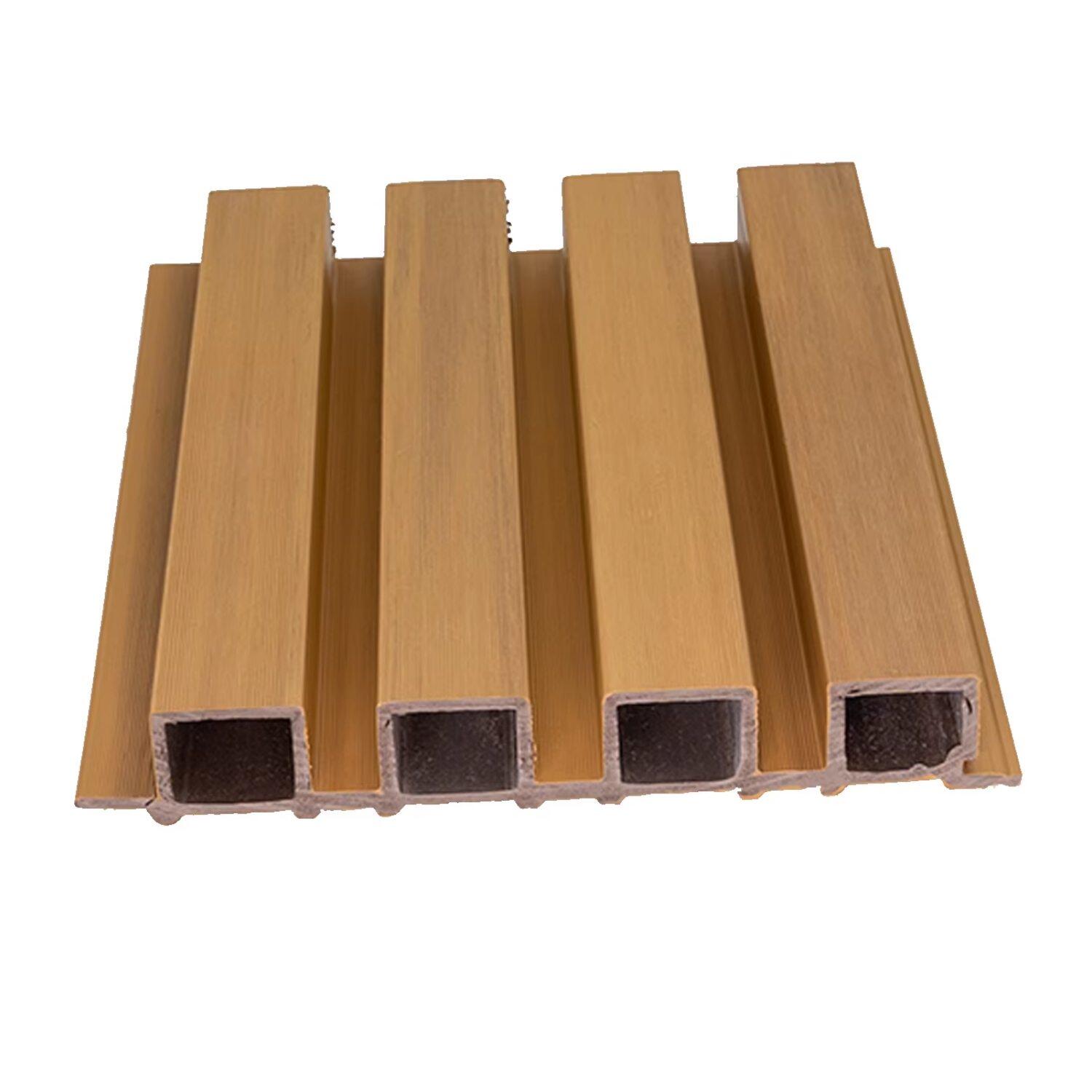
Pros and Cons of WPC Wall Cladding: Honest 2026 Review Guide
Wondering if WPC wall cladding is worth the hype or just a pretty face? Here is our honest, no-fluff breakdown of the real pros and cons for 2026.
Last month, a commercial contractor asked us if WPC wall cladding was just a 'pretty face' that would fade and peel after two harsh summers. It’s a completely fair question. Everyone sees the glossy brochures, but what happens when the material faces actual weather, impact, and time? Let’s cut through the marketing fluff and look at the real pros and cons of WPC wall cladding for 2026.
The Real Advantages (Why We Install It)
Look, we sell this stuff every day, so we know its strengths. But we also install it, which means we see how it holds up in the real world. Here is what actually works.
Zero (Well, Near-Zero) Maintenance
Forget painting every three years. That’s the biggest selling point. With traditional wood, you’re looking at sanding, staining, and sealing. With WPC exterior wall cladding, a simple rinse with a hose twice a year keeps it looking fresh. We usually tell our clients that the only maintenance they’ll do is wiping off bird droppings if they’re being picky.
Water and Moisture Proofing
Wood rots. It’s just a fact of nature. WPC, on the other hand, has a water absorption rate of less than 0.5%. We’ve seen installations in coastal areas where salt spray destroys other materials in a decade, but the WPC just sits there. It doesn’t swell, it doesn’t rot, and it doesn’t harbor mold.
Fire and UV Resistance
Not all composites are created equal. Our boards carry a B1 fire rating, which is crucial for commercial buildings and multi-family homes. On the UV front, we use UV Grade 4-5 additives. What does that mean in plain English? It means the color won’t turn chalky or brittle after a few summers. It might fade slightly (about 5-10% in the first 6 months as it cures), but it stabilizes after that.
Fast Installation
Time is money on a job site. The hidden clip system means you can cover roughly 200 sq ft in about 2-3 days with a two-person crew. No messy adhesives, no waiting for caulking to dry.
The Honest Drawbacks (The Catch)
But does it actually hold up perfectly in every scenario? No. There’s no one-size-fits-all in building materials. Here is where WPC falls short, and we believe you should know this before buying.
The Upfront Cost
Let’s be honest. WPC is roughly 15-20% more expensive upfront compared to basic vinyl or treated pine. If your budget is strictly capped for the initial build, this can be a dealbreaker. You are paying for long-term durability, not short-term savings.
Thermal Expansion and Contraction
This is the number one reason for failed installations. WPC expands and contracts with temperature changes. If your installer doesn’t leave the proper 3-5mm expansion gaps at the ends and joints, the boards will buckle and warp in the summer heat. It’s not a flaw in the material; it’s physics. But it requires a skilled installer, not a weekend DIYer guessing their way through it.
Visible Scratches on Dark Colors
If you choose a deep charcoal or mahogany color, be aware that sharp impacts or dragging heavy objects against it can leave temporary white marks. They usually blend in after a few weeks of weathering, but if you’re a perfectionist, this might annoy you. We usually recommend lighter textures or our co-extrusion wall cladding for high-traffic commercial zones to mitigate this.
Weight
It’s heavier than pure PVC or aluminum. You need a solid, properly spaced sub-frame (usually 16 inches on center) to support it. You can’t just slap it over rotten existing sheathing.
Who is This Actually For?
So, who should pull the trigger on this?
If you’re a homeowner who values their weekends and doesn’t want to spend them scraping paint, WPC is a no-brainer. It’s also ideal for commercial facades, restaurant exteriors, and high-moisture areas like pool surrounds. About 70% of our commercial clients choose it specifically for the fire rating and low lifecycle cost.
Who might prefer alternatives?
If you absolutely love the natural, imperfect grain of real timber and don't mind the upkeep, stick to hardwood. If you are on a razor-thin budget and plan to flip the property in two years, cheap vinyl might make more financial sense for your specific timeline.
Cost vs. Value (The ROI)
Let’s talk numbers. Material costs for quality WPC fluted panel or standard cladding range from $3.50 to $6.00 per square foot.
Yes, that’s higher than wood. But factor in the 25-year warranty (though realistically, expect 15-20 years of peak performance in harsh climates without any maintenance). When you subtract the cost of paint, sealants, and labor for maintenance over 10 years, the break-even point is usually around year 5 to 7. After that, it’s pure savings.
Frequently Asked Questions
Does WPC wall cladding look fake?
Early generation composites did. Today? Not so much. With 3D embossing and co-extrusion technology, the texture mimics real wood grain surprisingly well. From the street, most people can't tell the difference.
Can I install it myself?
You can, but we don't highly recommend it unless you have carpentry experience. The thermal expansion gaps and sub-frame requirements are strict. Messing up the gaps is the fastest way to ruin the facade.
How do I clean stubborn stains?
For 90% of dirt, a pressure washer on a low setting (under 1500 PSI) or a soft brush with soapy water works perfectly. Avoid harsh chemicals like bleach, which can strip the UV protective layer over time.
Will it fade in direct sunlight?
All exterior materials fade eventually. WPC will experience a slight initial color shift (about 5-10%) in the first few months as the UV stabilizers cure. After that, the color lock is highly stable, thanks to the Grade 4-5 UV protection.
Is it eco-friendly?
Yes, it's made from recycled wood fibers and plastics, keeping waste out of landfills. Plus, because it lasts decades, you aren't replacing it and creating new waste every 10 years.
Choosing a facade is a long-term commitment. It’s not just about how it looks on day one, but how it handles year five, year ten, and beyond. WPC wall cladding isn't magic, and it isn't the cheapest option on the shelf. But for those willing to invest a bit more upfront for peace of mind, it consistently delivers.