
PVC Decking Accessories vs Wood: Which is Better? Full 2026 Guide
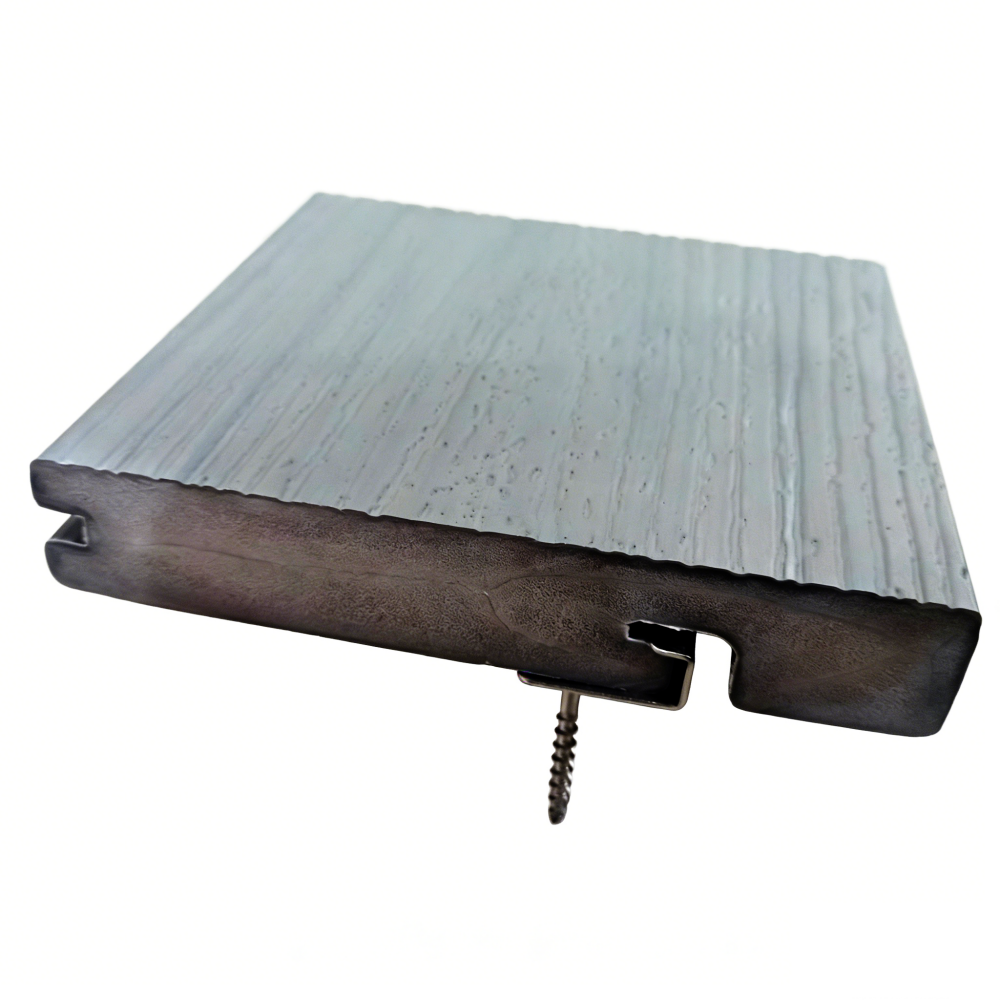
Everyone debates the decking boards, but the real hidden battle is in the PVC decking accessories vs traditional wood fasteners and trim. Let's answer the big question: PVC decking accessories vs traditional wood: which is better?
The Hidden Trap Nobody Talks About
Last month, a homeowner asked us why their brand-new deck looked great from above but was rotting at the edges. They bought premium PVC decking boards but paired them with traditional wood trim and standard steel screws. The accessories failed before the boards even scratched.
Here’s what nobody tells you about building a deck: the boards get all the glory, but the accessories dictate how long it actually survives. When we look at PVC decking accessories vs traditional wood components, we aren't just comparing plastic to timber. We're comparing two completely different philosophies of outdoor living.
Quick Comparison Overview
Let’s strip away the marketing fluff. Here is how PVC decking accessories stack up against traditional wood fasteners, trims, and fascia in a side-by-side view.
Feature | PVC Decking Accessories | Traditional Wood Accessories |
|---|---|---|
Upfront Cost | 15-20% higher | Lower initial price |
Lifespan | 15-25 years | 5-10 years (trim/fasteners) |
Maintenance | Soap and water only | Stain/paint every 2-3 years |
Weather Resistance | Impervious to rot/UV fading | Prone to warping and cracking |
Installation | Hidden clips, allows expansion | Face-screwing, rigid joints |
Durability & The "Real World" Lifespan
This is where the gap widens. Traditional wood accessories—think cedar fascia, pine trim, or even pressure-treated stair risers—are at the mercy of the elements. They warp, crack, and rot.
PVC accessories, on the other hand, are engineered to take a beating. Our PVC decking accessories carry a UV Grade 4-5 rating. What does that mean in plain English? It means they won’t chalk or fade into a pale, ugly mess after one brutal summer. They also boast a B1 fire rating, which is a massive upgrade over dry, splintering wood trim.
We offer a 25-year warranty on our PVC components. But let's be honest—a 25-year warranty realistically translates to 15-20 years of flawless performance in harsh, coastal climates if you actually follow the basic cleaning guidelines. Wood trim? You’re lucky to get 5 to 7 years before it needs replacing or heavy patching.
The Time Tax: Maintenance & Care
Frankly, this is the biggest reason about 70% of our customers choose PVC over wood.
Wood accessories demand a "time tax." Every 2 to 3 years, you need to sand, prime, and paint or stain your wood fascia and trim. That’s roughly $300 to $500 in materials alone, plus a full weekend of back-breaking labor.
PVC? You wash it. That’s it. A little soap, some water, and maybe a soft brush for stubborn dirt. There’s no sealing, no painting, and no scraping off old, peeling stain. If you value your weekends, PVC wins this round effortlessly.
The True Cost: Upfront vs. Long-Term
Let’s talk money, because this is where people get confused.
If you’re looking strictly at day-one checkout prices, PVC accessories are roughly 15-20% more expensive upfront. A box of hidden PVC clips might run you $3.50 per square foot of coverage, whereas basic galvanized wood screws are maybe $1.20. Wood trim is also cheaper to buy at the lumber yard than extruded PVC fascia.
But that’s a trap.
When you factor in the 10-year cost, the math flips completely. Add in the $1,500+ you’ll spend on wood stain, sealants, and replacement rotting trim over a decade, and PVC becomes the budget-friendly option. We usually tell clients to look at the 10-year total cost of ownership, not just the shopping cart total.
Installation & Ease of Use
Installing traditional wood accessories is straightforward but unforgiving. Pre-drill, or the wood splits. Drive the screw too deep, and you crush the fibers.
PVC accessories, specifically our hidden clip systems, change the game. They allow the boards to expand and contract naturally. You can typically finish a 200 sq ft deck in about 2-3 days with a two-person crew using PVC clips, whereas traditional face-screwing and wood trim coping can add an extra day of meticulous labor.
The catch? You can't just use any tool. You need a fine-tooth saw blade for cutting PVC trim, otherwise, you’ll get ugly melt marks on the edges.
Pros and Cons Summary
Let’s break it down honestly. Nothing is perfect.
PVC Decking Accessories
Pros: Zero rotting, splintering, or insect damage. UV Grade 4-5 color retention keeps them looking new. Hidden clip systems allow for natural expansion.
Cons: Higher initial material cost. Requires specific fine-tooth blades for clean cuts. Can feel slightly less "authentic" to purists.
Traditional Wood Accessories
Pros: Cheaper upfront at the hardware store. Easy to cut with standard woodworking tools. Genuine, natural material appeal.
Cons: High maintenance (staining/painting every 2-3 years). Prone to warping, cracking, and rot. Shorter overall lifespan.
Which Should You Choose?
So, PVC decking accessories vs traditional wood: which is better?
If you’re building a temporary structure, a low-budget rental property deck, or you just love the weekend ritual of sanding and staining, traditional wood accessories might be your jam.
But if you want a deck that looks identical in year ten as it did on day one? PVC is the undisputed winner. The upfront premium buys you a decade of peace of mind. We highly recommend pairing your PVC fascia and trim with matching hidden clips for a seamless, modern finish.
Frequently Asked Questions
Can I use standard wood screws on PVC decking?
Please don't. PVC expands and contracts with temperature changes. Standard wood screws will restrict this movement, causing the boards to buckle or the screw heads to pop right through the surface. Always use the manufacturer-recommended hidden clips or color-matched composite screws.
Do PVC accessories get hot in the summer?
They can, just like any material sitting in direct sunlight. However, our lighter-colored PVC trims and accessories reflect more heat than dark wood stains. If you're building a pool deck, stick to lighter tones to keep things comfortable for bare feet.
Can I use wood joists with PVC decking accessories?
Yes, but with a major caveat. If you use traditional wood joists, you must apply a waterproof joist tape over the top of the wood before installing the PVC clips. This prevents moisture from the wood from transferring to your PVC boards and voiding the warranty.
What’s the biggest mistake people make when switching to PVC accessories?
Using the wrong saw blade. Cutting PVC fascia or trim with a standard wood blade generates too much friction. The plastic melts, leaving a rough, burnt edge. Swap to a fine-tooth (80-tooth or higher) carbide blade for a clean, factory-finish cut.
Ready to stop maintaining and start enjoying your outdoor space? Browse our full line of PVC decking accessories and see the difference for yourself.