
PVC Decking vs Natural Wood Decking: Which is Better? (2026)
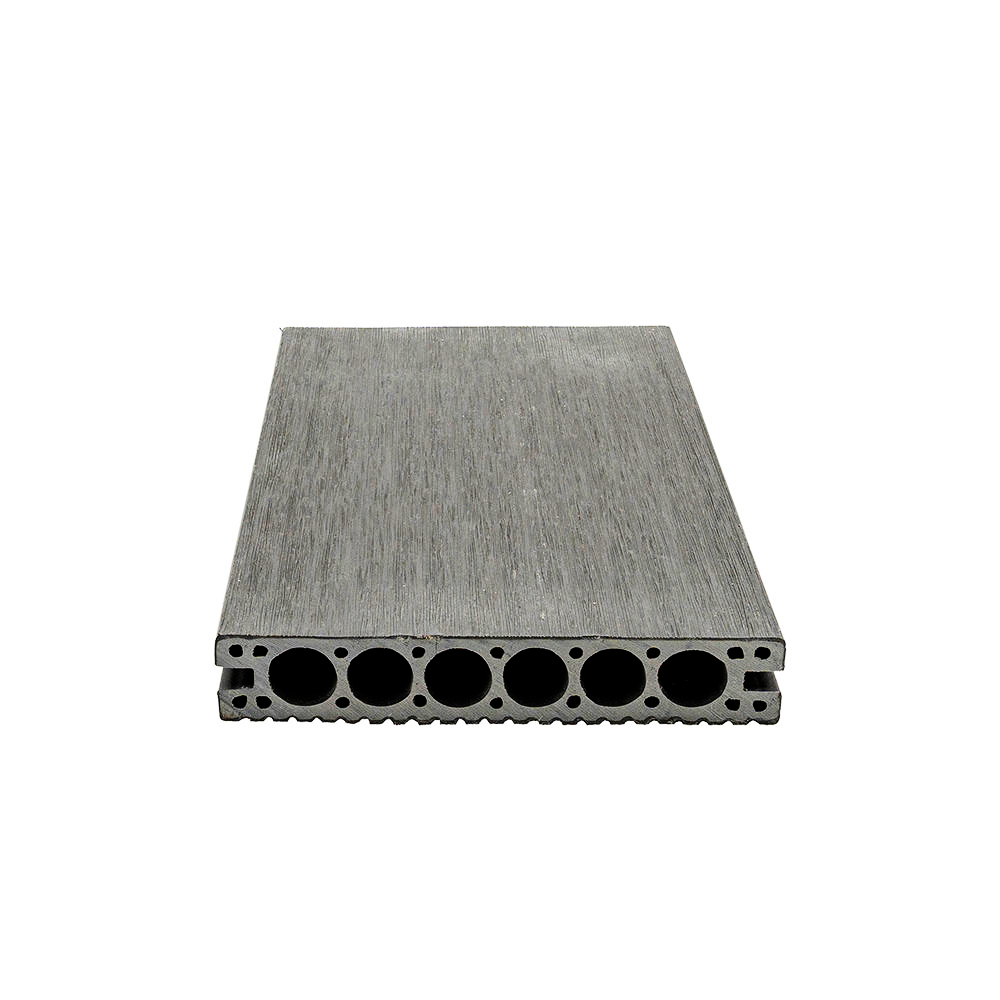
Wondering whether to build with PVC or stick to traditional timber? We break down the real costs, lifespan, and maintenance of PVC decking vs natural wood decking to help you make the right call.
The "Authenticity" Trap
Here’s what nobody tells you about natural wood decks: they look absolutely stunning on day one. But by year three? That’s usually when the splintering starts and the weekend staining projects begin. If you're weighing PVC decking vs natural wood decking, you're probably trying to figure out if the premium price tag of synthetic materials is actually worth it.
Let's cut through the marketing noise. We've installed and supplied both materials for years, and we have some pretty strong opinions on where each one actually makes sense. Sound too good to be true? Let's look at the raw data.
Quick Comparison: PVC vs. Natural Wood
Before we get into the weeds, here is the side-by-side reality check.
Feature | PVC Decking | Natural Wood Decking |
|---|---|---|
Upfront Cost | $8 - $12 per sq. ft. | $3.50 - $5 per sq. ft. |
Lifespan | 25+ years | 10 - 15 years (with heavy maintenance) |
Maintenance | Low (soap and water) | High (annual sealing/staining) |
Durability | Highly resistant to rot/mold | Susceptible to rot, insects, splinters |
Aesthetics | Consistent, modern look | Authentic grain, ages naturally |
Durability and Lifespan: What Actually Happens Over Time
Let's be honest. Wood is organic. That means it’s basically food for moisture, UV rays, and insects. Even pressure-treated pine will eventually warp, cup, or rot if water gets trapped in the grain. You might get lucky in a dry climate, but generally speaking, wood is fighting a losing battle against the elements.
PVC, on the other hand, is 100% synthetic. It doesn’t absorb water. Period. When you invest in premium PVC decking, you’re looking at a material that boasts a UV Grade of 4-5. That means it won’t fade into a weird, patchy gray after a single harsh summer. Most of our PVC lines come with a 25-year warranty. Realistically, in harsh coastal climates, you can expect 15-20 years of flawless performance without breaking a sweat. Wood? You're lucky to get a decade without major board replacements.
Maintenance: The Hidden Weekend Killer
This is where the real battle is won or lost.
With natural wood, you’re signing up for a lifelong relationship with a power washer and a stain brush. You need to sand, clean, and re-seal it every 1 to 2 years. Skip a year, and the wood starts checking and cracking. It's a lot of work.
PVC? You just sweep it and hose it down. Maybe use some mild soap if you spill your barbecue sauce. That said, there's no one-size-fits-all perfection here. The one downside we see fairly often with PVC is heat retention. Darker PVC boards can get pretty hot under direct, midday summer sun. If you live in Arizona or Florida, stick to lighter colors to keep it comfortable for bare feet.
Cost Analysis: Upfront Price vs. 10-Year Reality
Look at the initial price tag, and wood wins. It’s roughly 15-20% more expensive upfront to go with PVC. A basic pressure-treated wood deck might cost you $3.50 to $5.00 per square foot for materials. Hollow PVC decking or solid PVC boards will run you $8.00 to $12.00 per square foot.
But here’s the catch. That upfront savings is an illusion if you calculate the 10-year cost. Between buying stain, renting equipment, and the sheer value of your own weekend labor, wood gets pricey fast. Over a decade, PVC actually costs less because it requires zero restorative maintenance. You're paying more on day one to save money every day after that.
Installation and Safety
Both materials require a solid substructure, but the handling is different. Wood is heavy, dense, and requires pre-drilling to prevent splitting when you drive screws. PVC is significantly lighter and easier to cut. A standard crew can usually finish in about 2-3 days for a 200 sq ft deck using PVC, compared to 3-4 days for wood.
Safety matters, too. Our PVC boards carry a B1 fire rating, which is a massive advantage if you're building near a fire pit or in a wildfire-prone area. Natural wood, obviously, burns. If fire safety is a concern for your local building codes, PVC takes the crown.
Pros and Cons at a Glance
PVC Decking
Pros: Zero rotting, minimal upkeep, 25-year lifespan, B1 fire rating.
Cons: Higher initial cost, can get hot in direct sun, lacks the "smell" of real wood.
Natural Wood Decking
Pros: Cheaper upfront, authentic natural grain, stays cooler in the sun.
Cons: Rot and insect prone, requires annual staining, splinters over time.
So, Which Should You Actually Choose?
There's no universal "better." It depends entirely on your lifestyle.
Choose natural wood if you are on a strict initial budget, you genuinely enjoy weekend DIY maintenance projects, and you want that traditional, authentic timber feel right out of the gate.
Choose PVC if you want to actually use your deck instead of working on it. If you hate the idea of spending your Saturday scraping old stain off boards, PVC is the obvious upgrade. It’s an investment in your free time.
Frequently Asked Questions
Can I install PVC over my existing wood joists?
Yes, but only if the joists are structurally sound and properly spaced (usually 16 inches on center). If your old wood subframe is rotting, you need to replace it first.
Does PVC decking look fake?
Older generations of PVC definitely did. Modern manufacturing uses advanced embossing techniques that mimic real wood grain incredibly well. Most guests won't know the difference unless they tap it with their knuckles.
Is PVC decking slippery when wet?
It can be, especially if algae builds up. However, most modern PVC boards feature a textured, slip-resistant surface that performs much better than smooth, weathered wood.
Can I paint or stain PVC decking?
Please don't. Paint won't adhere properly to the synthetic surface, and it will peel off in sheets within a few months. PVC is designed to be left exactly as it is.
Still on the fence about your outdoor project? Take a good look at your long-term goals for the space. If you want a deck that looks great in 2036 without you lifting a finger, you already know which way the scale tips.