
PVC Door vs solid wood doors: which is better? Full Comparison 2026
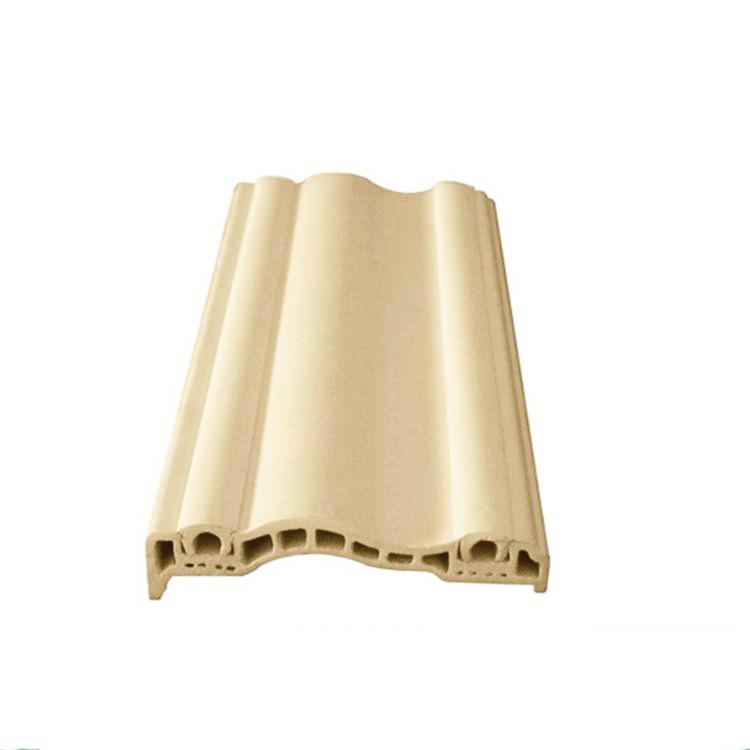
Choosing between a PVC door and solid wood can feel like picking between practicality and tradition. We’ve broken down the real-world differences in cost, durability, and maintenance so you can make the right call for your project.
Last month, a contractor asked us if they should switch a 50-unit residential project from solid wood to PVC. His client wanted the premium feel of wood, but the budget was tight and the local climate was brutal. Sound familiar?
Let's be honest: solid wood is beautiful. But does it actually hold up in real life? Here’s what we’ve noticed after supplying doors to hundreds of projects: the "wood vs. PVC" debate usually comes down to three things—budget, climate, and how much you hate sanding and painting.
Let's break down PVC door vs solid wood doors: which is better, without the marketing fluff.
Quick Comparison Overview
Before we dive into the weeds, here is the side-by-side reality check.
Feature | PVC Door | Solid Wood Door |
|---|---|---|
Upfront Cost | $3.50 - $7.00 / sq ft | $12.00 - $25.00 / sq ft |
Lifespan | 15-25 years | 10-15 years (with maintenance) |
Maintenance | Wipe with damp cloth | Sand & repaint every 2-3 years |
Weight | 30 - 40 lbs | 70 - 90 lbs |
Water Resistance | 100% Waterproof | Prone to swelling & rot |
The Durability Reality Check
Solid wood looks great on day one. But by year three in a humid or highly UV-exposed area? You're looking at warping, cracking, or fading. Wood is organic. It breathes, swells, and shrinks. That’s just physics.
PVC doors, on the other hand, are built for the trenches. Our PVC door lines come with a UV Grade 4-5 rating. That means they won't turn chalky or fade when the sun beats down on them all afternoon. Plus, they carry a B1 fire rating, which is a massive deal for commercial builds or strict residential codes.
We offer a 25-year warranty on our PVC doors. Realistically, in harsh coastal climates, you'll get a solid 15-20 years of flawless performance before even thinking about a replacement. Solid wood? Maybe 10-12 years if you maintain it religiously.
Maintenance: Zero vs. High Effort
Here's the thing about solid wood: it’s high maintenance. You’re looking at sanding, staining, or repainting every 2 to 3 years. If you skip a cycle, moisture gets in, and the wood swells. It's a never-ending loop.
PVC? You wipe it with a damp cloth. That’s it. About 70% of our customers choose PVC specifically because they are tired of weekend maintenance chores. There's no sealing, no painting, and no worrying about termites eating your investment.
The True Cost Analysis
Let’s talk numbers. Solid wood doors generally run about $12 to $25 per square foot, depending on the wood species and finish. PVC doors sit around $3.50 to $7.00 per square foot.
Frankly, the upfront savings are obvious. But the long-term math is where PVC really wins. Factor in the $300 to $500 you'd spend every few years on wood refinishing, and the 15-year total cost of ownership for PVC is roughly 40% lower. When you look at the lifecycle cost, wood is a luxury you keep paying for.
Installation and Ease of Use
Solid wood is heavy. Like, really heavy. A standard solid wood door can weigh over 80 lbs, requiring two people and heavy-duty hinges to keep it from sagging over time.
Our PVC interior doors weigh about 30 to 40 lbs. They’re incredibly DIY-friendly. You can easily install one in about 2 to 3 hours if you're replacing an existing frame. The lighter weight also means less stress on your hinges and frames, leading to fewer alignment issues down the road.
Honest Pros and Cons
There’s no one-size-fits-all answer, so let's look at the trade-offs.
Solid Wood
Pros: Unmatched natural aesthetics, excellent soundproofing, can be refinished multiple times, adds traditional resale value.
Cons: High upfront cost, requires intense maintenance, prone to warping and moisture damage, heavy and hard to install.
PVC Doors
Pros: Highly affordable, 100% waterproof, zero maintenance, UV and fire resistant (B1 rating), lightweight, 25-year warranty.
Cons: Lacks the deep tactile feel of real wood, cannot be sanded down if deeply scratched, lower prestige factor in ultra-luxury builds.
Which Should You Actually Choose?
If you’re building a heritage home, a luxury boutique hotel, or an interior space where the tactile feel of natural grain is non-negotiable, go with solid wood. Just budget for the upkeep.
But for 90% of residential homes, commercial spaces, bathrooms, and exterior entries? PVC is the smarter play. It gives you the aesthetic without the headache. If you want that authentic wood look with PVC durability, check out our WPC wood-grain doors.
Frequently Asked Questions
Can PVC doors look exactly like real wood?
Visually, modern PVC doors are incredibly close. We use advanced wood-grain foiling that mimics real timber. From a distance, most people can't tell the difference. Up close, it feels smoother, but the visual appeal is definitely there.
Do PVC doors expand and contract with temperature?
Minimally. Unlike solid wood, which expands up to 3% in high humidity, high-quality PVC expands less than 1%. We factor this into our tolerances, so you won't see doors sticking in summer or leaving gaps in winter.
Is solid wood better for soundproofing?
Generally, yes. The sheer mass of solid wood blocks low-frequency sounds better. However, if you choose a PVC door with a solid honeycomb core, the soundproofing difference becomes negligible for standard residential use.
Can I paint a PVC door if I change my mind?
You can, but it's tricky. PVC is non-porous, so standard paints won't stick. You’d need a specialized plastic primer. Honestly, it's usually easier and cheaper to just replace the door or apply a new vinyl wrap.
How do PVC doors handle extreme cold or heat?
They handle it beautifully. Our PVC formulations withstand temperatures from -40°F to 140°F without becoming brittle. The B1 fire rating also means they self-extinguish, adding safety in extreme heat scenarios.
Still weighing your options? The best way to decide is to feel the materials yourself. Reach out to our team to request physical samples of our PVC and WPC door profiles. Seeing and touching the difference is the best way to make a confident choice for your next project.