
PVC Wall Cladding Maintenance Tips: Complete Care Guide for 2026
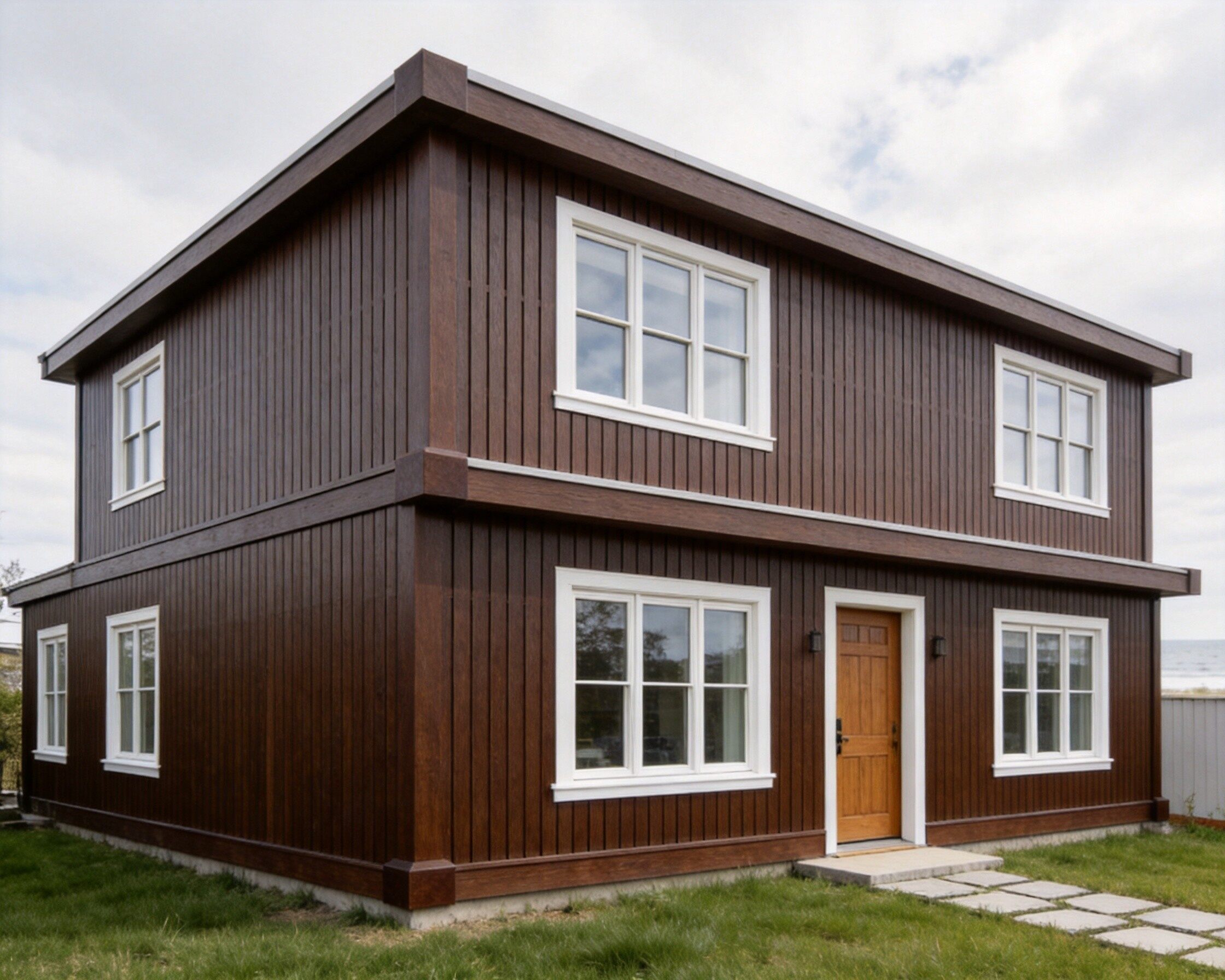
Wondering how to keep your exterior walls looking pristine without spending a fortune? This guide breaks down the exact PVC wall cladding maintenance tips you need for 2026.
Last month, a contractor called us in a panic. His client’s exterior walls looked dull, streaky, and almost chalky after just two years. The culprit? He was using heavy-duty degreasers and pressure washing the panels like they were a concrete driveway.
Here’s the thing about PVC wall cladding. It’s incredibly low maintenance. But "low maintenance" doesn't mean "zero maintenance." If you want those panels to actually hit their 25-year warranty mark without looking faded, you need a solid game plan.
Let's break down the exact PVC wall cladding maintenance tips you need to keep your building looking sharp in 2026.
The Baseline Routine: Keep It Simple
You don't need a massive, complicated schedule. Frankly, overcomplicating it is how most people ruin the factory finish.
For 90% of buildings, a simple rinse every three to four months is enough. Just use a standard garden hose. If there's visible dust, pollen, or bird droppings, grab a soft-bristle brush and a bucket of warm water.
Add about two tablespoons of mild, non-abrasive dish soap per gallon. That’s it. No fancy proprietary cleaners required. We usually tell our clients that spending roughly $0.15 per square foot annually on basic soap is all the budget you need for routine upkeep.
Deep Cleaning (And What You Should Never Use)
Sometimes, a quick rinse just doesn't cut it. Maybe the wall is near a restaurant exhaust, or there's heavy tree sap from overhanging branches.
When you need to deep clean, here’s what we recommend:
Isopropyl alcohol for stubborn sap or grease spots.
A dedicated PVC cleaner if the grime is really baked on.
A soft microfiber cloth for gentle spot treatment.
But look, there’s a catch. You have to be extremely careful with your chemical choices. PVC is essentially a dense, rigid plastic. Harsh solvents will literally melt the top layer.
Never use acetone, lacquer thinner, or undiluted bleach. I’ve seen guys use 100% bleach to kill mold, and it just strips the UV-protective top coat right off. If you need to tackle mold or mildew, dilute the bleach to a 70/30 water-to-bleach ratio. Spray it on, let it sit for five minutes, and rinse thoroughly.
Also, if you're using a pressure washer, keep it under 1,500 PSI. Anything higher, and you risk forcing water behind the joints or permanently etching the surface texture.
Seasonal Quirks: What to Watch For
Different weather throws different punches at your building.
In the summer, you’re battling UV exposure and organic stains. Our exterior PVC panels come with a UV Grade 4-5 rating, which is industry-leading. That means they resist fading exceptionally well. But if you live in an area with heavy pollen, letting it bake into the panels for months can cause slight, stubborn discoloration. A quick spring rinse prevents this.
Winter is a different beast entirely. Ice and snow aren't inherently bad for PVC, but the freeze-thaw cycle can be tricky if water gets trapped behind loose panels. Never use metal shovels or ice picks to clear snow off the cladding. You'll scratch it. Use a soft push broom or a plastic snow rake. And skip the rock salt. It won't melt the ice on a vertical wall anyway, and the residue just attracts dirt.
Handling Common Headaches
It’s not perfect — here’s where PVC falls short compared to some traditional materials. You can’t sand out a deep scratch.
If you get a superficial scuff, a magic eraser (melamine sponge) usually works wonders. Just rub it gently with water. But if someone backed a truck into your wall and gouged the panel? You’re replacing that specific board. Fortunately, because we use a through-body color process on most of our lines, finding a matching replacement board five years down the line is usually painless.
What about mold growing in the seams? Usually, this means your caulking has failed, not the PVC itself. Scrape out the old caulk, clean the gap with your diluted bleach solution, let it dry completely (give it a full 24 hours), and re-caulk with a high-quality polyurethane sealant.
Pro Tips to Maximize Lifespan
We back our cladding with a 25-year warranty, and it also carries a strict B1 fire rating. But warranties have fine print. They almost always require proper maintenance to remain valid.
Here’s how to make sure your panels last 20+ years without a hitch:
Inspect the trim and caulking twice a year. Water intrusion behind the panels is the real enemy, not the weather itself.
Keep landscaping trimmed back. If bushes are constantly rubbing against the wall in the wind, they’ll create micro-scratches that hold dirt.
Clean the gutters. Overflowing gutters will dump dirty water directly onto your cladding, causing streaking that’s incredibly hard to remove later.
Quick Maintenance FAQs
Can I just power wash my PVC wall cladding?
Yes, but keep the pressure below 1,500 PSI and use a wide 40-degree nozzle. Keep the wand at least 12 inches from the surface to avoid damaging the joints.
How do I remove hard water stains?
Mix equal parts white vinegar and water. Spray it on, let it sit for 10 minutes, and wipe it off with a soft cloth. Just don't let it dry on the surface.
Does PVC cladding need to be sealed or painted?
Absolutely not. The color is baked in, and the surface is non-porous. Painting it will void your warranty and look terrible once it starts peeling.
Why are my white panels turning green?
That’s algae or mold, usually caused by constant shade and moisture. Clean it with the diluted bleach solution mentioned above, and consider trimming back any overhanging branches to let more sunlight hit the wall.
Look, taking care of PVC wall cladding isn't rocket science. It’s mostly about knowing what not to do. Stick to gentle cleaners, avoid high-pressure water, and keep an eye on your seals. Do that, and your walls will look just as good in 2026 as they did on day one.