
PVC Wall Panels or Cladding: Which One Should You Actually Install? (2026)
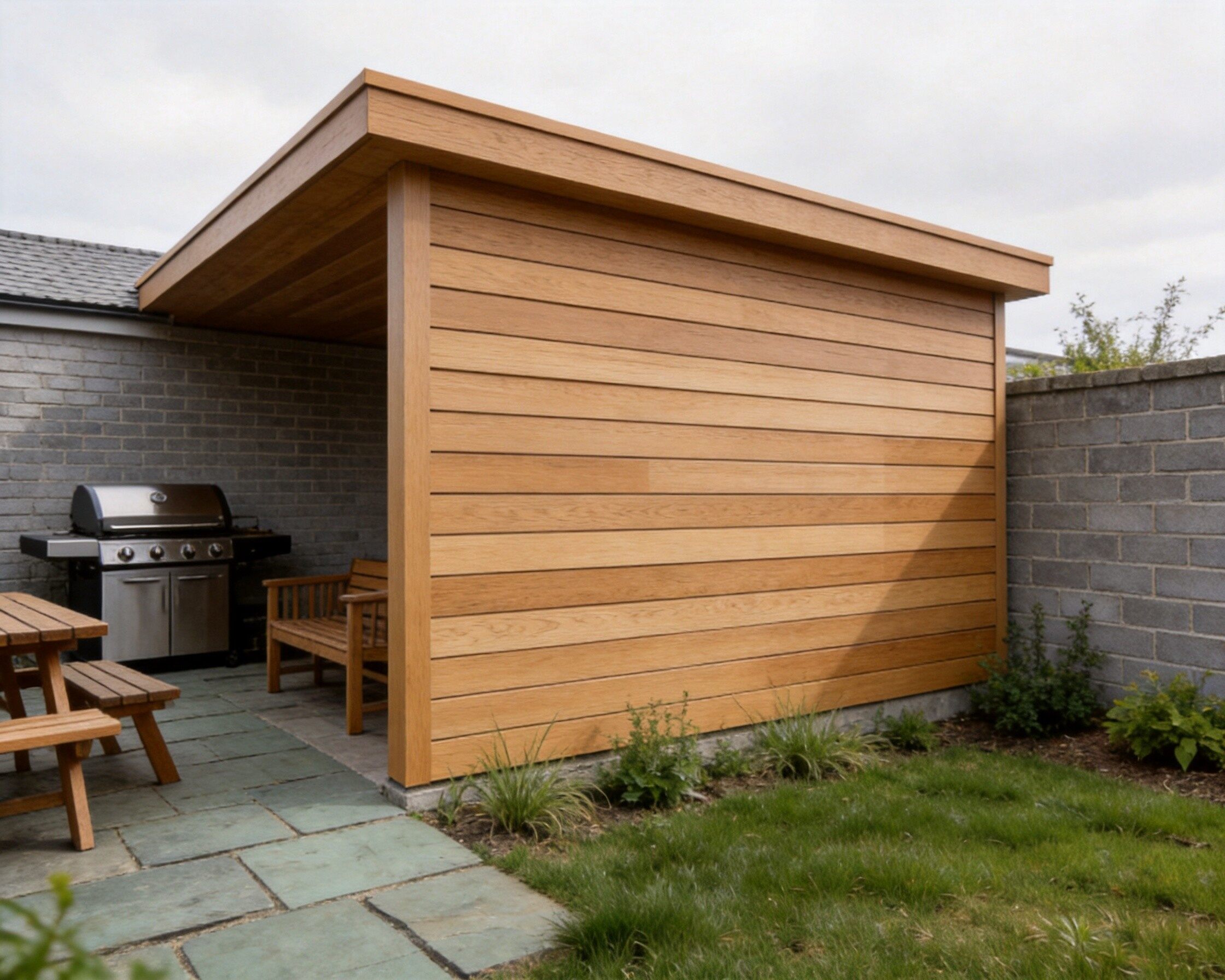
Torn between PVC wall panels or cladding? We break down the cost, installation, and durability to help you pick the right finish for your 2026 project.
The Showroom Dilemma
Last month, a general contractor stood in our showroom holding two identical-looking white boards. He tapped them both and asked, "What’s the actual difference between your PVC wall cladding and these standard PVC wall panels? They look the same."
It’s a question we get almost weekly. The truth? They aren't the same. And picking the wrong one for your specific project can cost you time, money, and a lot of frustration. Let's clear up the confusion.
Terminology: What Are We Actually Looking At?
Here's the thing. In the building materials world, people throw around "cladding" and "panels" like they're synonyms. They aren't.
PVC wall cladding typically refers to thicker, interlocking profiles designed to handle structural shifts, heavy impacts, and exterior weather. PVC wall panels, on the other hand, are generally lighter, thinner, and meant for quick interior aesthetic upgrades. They serve different masters.
Quick Comparison Overview
Before we dive into the weeds, here is a side-by-side look at the core metrics. Keep in mind, these are industry averages based on our 2026 production lines.
Metric | PVC Wall Cladding | PVC Wall Panels |
|---|---|---|
Thickness | 8mm - 12mm | 3mm - 6mm |
Primary Use | Exterior, wet areas, high-traffic | Interior dry areas, quick renovations |
Installation | Tongue & groove, sub-frame | Direct glue, nail, or light frame |
Cost per sq ft | $3.50 - $5.50 | $2.00 - $3.50 |
Expected Lifespan | 15-25 years | 10-15 years (indoors) |
Durability & Lifespan: The Real Talk
Let's talk about what happens after the installation crew leaves. You might be wondering if the cheaper option holds up over time.
Generally speaking, our premium PVC wall cladding carries a 25-year warranty. But realistically? Expect 15-20 years in harsh, high-UV climates if it's UV Grade 4-5 rated. The density of the material resists warping and impact.
The panels? They usually max out at a 10 to 15-year lifespan because they lack that same structural density. We've seen that interior panels last indefinitely in climate-controlled rooms. But put them outside, or even in an unventilated steam room, and they'll soften and warp by mid-summer. There's no one-size-fits-all, but environment dictates longevity here.
The Installation Reality
This is where the rubber meets the road. How much headache are you signing up for?
Installing cladding usually means setting up a lightweight metal or timber sub-frame. It’s not overly complicated, but it takes about 2-3 days for a standard 200 sq ft room. The tongue-and-groove system locks everything together, creating a seamless, waterproof barrier. The catch is, if your walls are severely bowed, you'll spend extra time shimming the frame.
Panels are a different story. They are often designed for direct-to-wall application using construction adhesive. You could knock out a 200 sq ft bathroom in a single weekend. That said, if your existing drywall is crumbling or uneven, you'll still need to furr the walls out, which eats into that time savings.
Cost Analysis: Upfront vs. Long-Term
Frankly, budget dictates a lot of decisions. Standard PVC panels run about $2.00 to $3.50 per square foot. Cladding sits higher, roughly $3.50 to $5.50 per square foot.
That’s about 15-20% more expensive upfront. But here's what we've noticed: cladding adds actual structural value and moisture protection. If you're replacing drywall in a commercial kitchen, the cladding prevents mold growth behind the walls, saving thousands in potential remediation. Panels are cheaper today, but cladding often pays for itself in durability.
Pros and Cons Summary
Let's just lay out the good and the bad without the marketing fluff.
Cladding:
Pros: B1 fire rating, incredible moisture barrier, hides ugly walls perfectly, highly impact-resistant.
Cons: Heavier, requires a sub-frame for best results, higher upfront material cost.
Panels:
Pros: Super lightweight, highly DIY friendly, very cheap, fast installation.
Cons: Can look "hollow" if tapped, absolutely not for exterior use, lower impact resistance.
Which Should You Actually Choose?
Look, there's no single right answer. It depends entirely on your blueprint.
If you're renovating a residential bathroom, a low-traffic commercial office, or a basement bedroom, go with the panels. They save money, install fast, and look great. But if you're dealing with a commercial kitchen, an exterior facade, a high-moisture shower area, or a high-traffic hallway, spend the extra money on cladding. It just handles the daily abuse better.
Frequently Asked Questions
1. Can I use PVC wall panels outside?
We strongly advise against it. UV exposure and temperature fluctuations will cause thinner panels to expand, contract, and eventually crack. Stick to cladding for exteriors.
2. Do I need a professional to install cladding?
You can DIY it if you're handy with a level and a drill. But hiring a pro ensures the sub-frame is perfectly plumb, which is critical for the interlocking joints to seal properly.
3. Which one is more fire resistant?
Both our cladding and panels can achieve a B1 fire rating. However, cladding's higher density gives it a slight edge in real-world fire scenarios by resisting heat penetration longer.
4. Can I paint over them if I change my mind?
You physically can, but you'll void the warranty and defeat the entire purpose of buying low-maintenance PVC. Plus, paint doesn't adhere well to the smooth PVC surface without special primers.
5. How do I clean them?
Keep it simple. Warm water and a mild dish soap. Never use abrasive sponges or harsh chemical solvents, as they can dull the finish over time.
Still on the fence about which profile fits your specific project? Drop by our showroom or check out our full WPC and PVC cladding lines to feel the density difference in person. Sometimes, you just need to hold the board to know it's the right fit.