
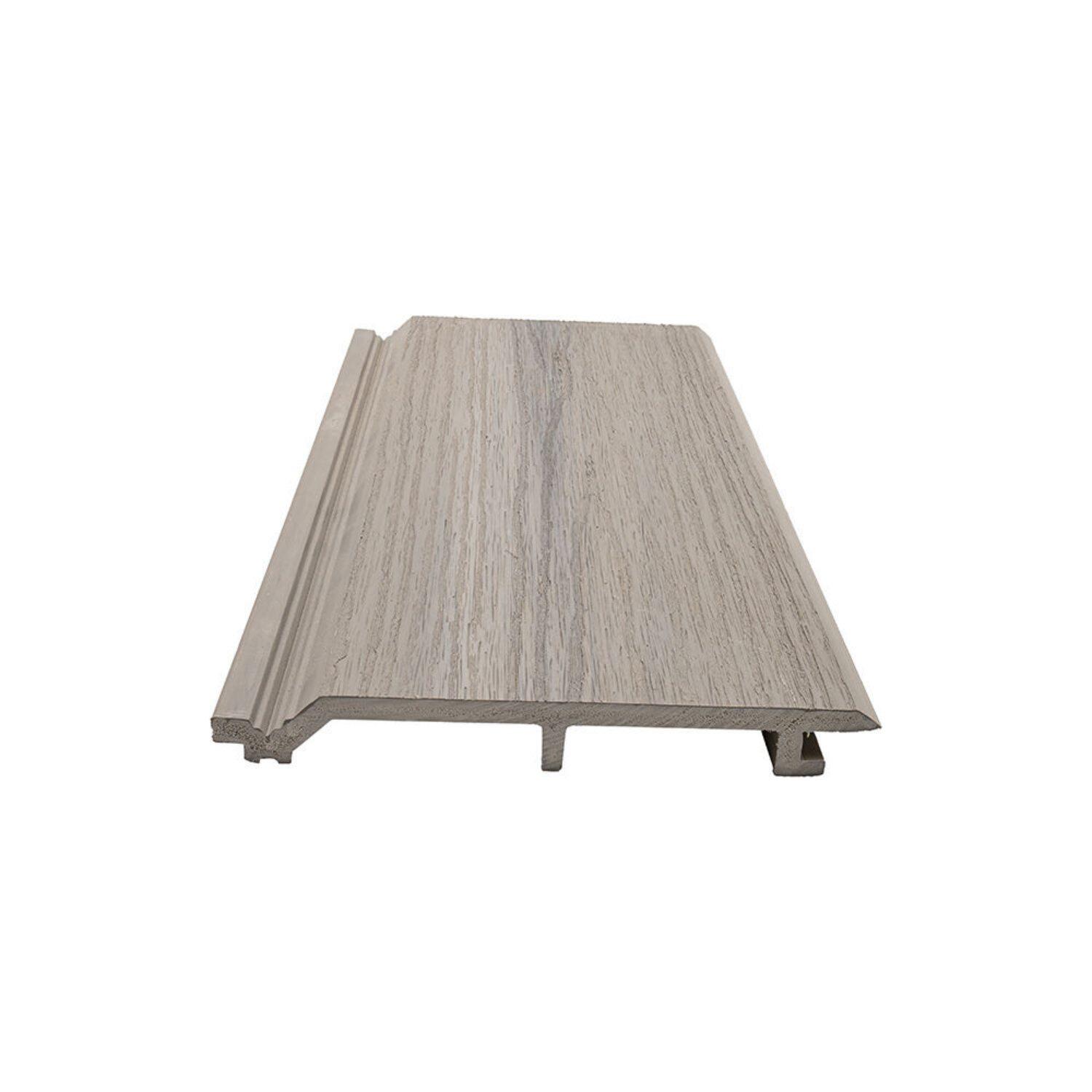
Wall Cladding vs PVC Wall Panels: Which is Better? Full Comparison 2026
Choosing between wall cladding and PVC wall panels usually comes down to a battle between upfront cost and long-term sanity. Here is the honest truth about which one actually holds up in the real world.
The Quick Answer (Before We Dive In)
Look, everyone wants the cheapest option until it starts warping or fading three years later. When you're staring at a wall cladding vs PVC wall panels dilemma, the marketing brochures will tell you both are "great." But does it actually hold up in real life?
If you just need a cheap, temporary interior fix, PVC wins. But for exterior longevity, weather resistance, and actual curb appeal, WPC (Wood Plastic Composite) wall cladding takes the crown. Most of the time, though there are exceptions, WPC is what you actually want for a permanent build.
Durability & The Elements: What Actually Survives?
Here's what we've noticed after years of installing and supplying both materials. PVC is basically just plastic. It looks fine on day one. But throw it in direct sunlight for five summers? It gets brittle. It expands and contracts heavily with temperature swings, which can pop the clips holding it to your wall.
WPC, on the other hand, is a hybrid. We use a dense mix of wood fibers and recycled plastics. Our WPC cladding hits a UV Grade of 4-5. That means it resists fading significantly better than standard PVC. Plus, it carries a B1 fire rating. PVC? It can melt or contribute to fire spread depending on the exact chemical makeup.
Realistically, a good WPC system comes with a 25-year warranty. PVC? You're lucky to get 10 years before it needs replacing in harsh climates.
It’s not perfect, though. The one downside we see fairly often with WPC is the initial weight. It’s heavier than PVC, which means you need a solid substrate and proper framing to support it. If your wall structure is weak, you'll need to reinforce it first.
Cost Analysis: Upfront vs. The Real Price
Let's talk money. Upfront, PVC is tempting. It usually runs about $2.50 to $4.00 per square foot. WPC wall cladding sits a bit higher, roughly $4.50 to $7.00 per square foot. That’s about 15-20% more expensive initially.
The catch is the long game. If you have to rip out and replace PVC panels in year 12 because they’ve cracked, faded, or mold has gotten underneath them, your "cheap" option just cost you double. Over a 20-year period, WPC is actually cheaper because you install it once and forget about it.
Maintenance: What Do You Actually Have to Do?
This is where WPC really shines. PVC needs to be cleaned regularly to prevent mold buildup, and if it gets deeply scratched, you can't just sand it down. You replace the whole board.
WPC is incredibly low maintenance. A quick wash with soap and water once or twice a year is all it takes. No sealing, no painting, no special chemicals. Just spray it off and walk away.
Installation Reality Check
Both are relatively DIY-friendly if you're handy. They generally use tongue-and-groove or hidden clip systems. But WPC is denser. It holds screws better and doesn't snap as easily when you're cutting it on-site.
A standard 200 sq ft exterior wall project takes about 2-3 days for a two-person crew, regardless of which material you pick. But if you make a mistake cutting PVC, it splinters and cracks. WPC cuts clean like wood. You can check out our WPC wall cladding collection to see the different profile options available.
Aesthetics: The Curb Appeal Factor
Frankly, PVC looks like plastic. Even with printed wood grains, it has that slight synthetic sheen from a distance. WPC actually feels and looks like real timber.
About 70% of our customers choose WPC purely for the aesthetic upgrade. If you want that high-end architectural look, co-extrusion WPC cladding gives you a realistic 3D wood texture that PVC simply can't mimic. For a more modern, textured vibe, many architects are now specifying fluted WPC panels to add depth and shadow lines to building facades.
So, Which Should You Choose?
There's no one-size-fits-all answer, but here is how we usually break it down for clients:
Choose PVC if: You are on a strict, immediate budget, the application is strictly interior or in a fully shaded, mild climate, and you don't care about long-term aesthetics.
Choose WPC if: This is a permanent structure, you want real wood aesthetics without the rot, you need high UV and fire resistance, and you want a 25-year lifespan with minimal upkeep.
Sound too good to be true? It's not magic, it's just material science. WPC costs a bit more on day one, but it buys you two decades of peace of mind.
Frequently Asked Questions
Can I use PVC wall panels for exterior wall cladding?
You can, but we generally advise against it for long-term projects. PVC degrades under UV exposure much faster than WPC and becomes brittle over time, leading to cracking.
Is WPC cladding completely waterproof?
Yes. Because it's a composite of plastic and sealed wood fibers, WPC has a water absorption rate of less than 1%. It won't rot, swell, or harbor mold like natural wood.
Which material is more eco-friendly?
WPC is generally the greener choice. It's manufactured using recycled wood fibers and recycled plastics, diverting waste from landfills. PVC production involves chlorine and other harsh chemicals.
Does WPC require sealing or painting over time?
No. That's the main benefit. The color is baked through the material (or protected by a co-extruded polymer shield), so it never needs painting or sealing.
How do they handle impact and dents?
WPC is much more impact-resistant. If you accidentally hit a PVC panel with a ladder, it will likely crack or dent permanently. WPC has enough flexibility and density to bounce back from minor impacts.