
Extrusion Die (PVC/WPC) vs traditional wood: which is better for patios? 2026
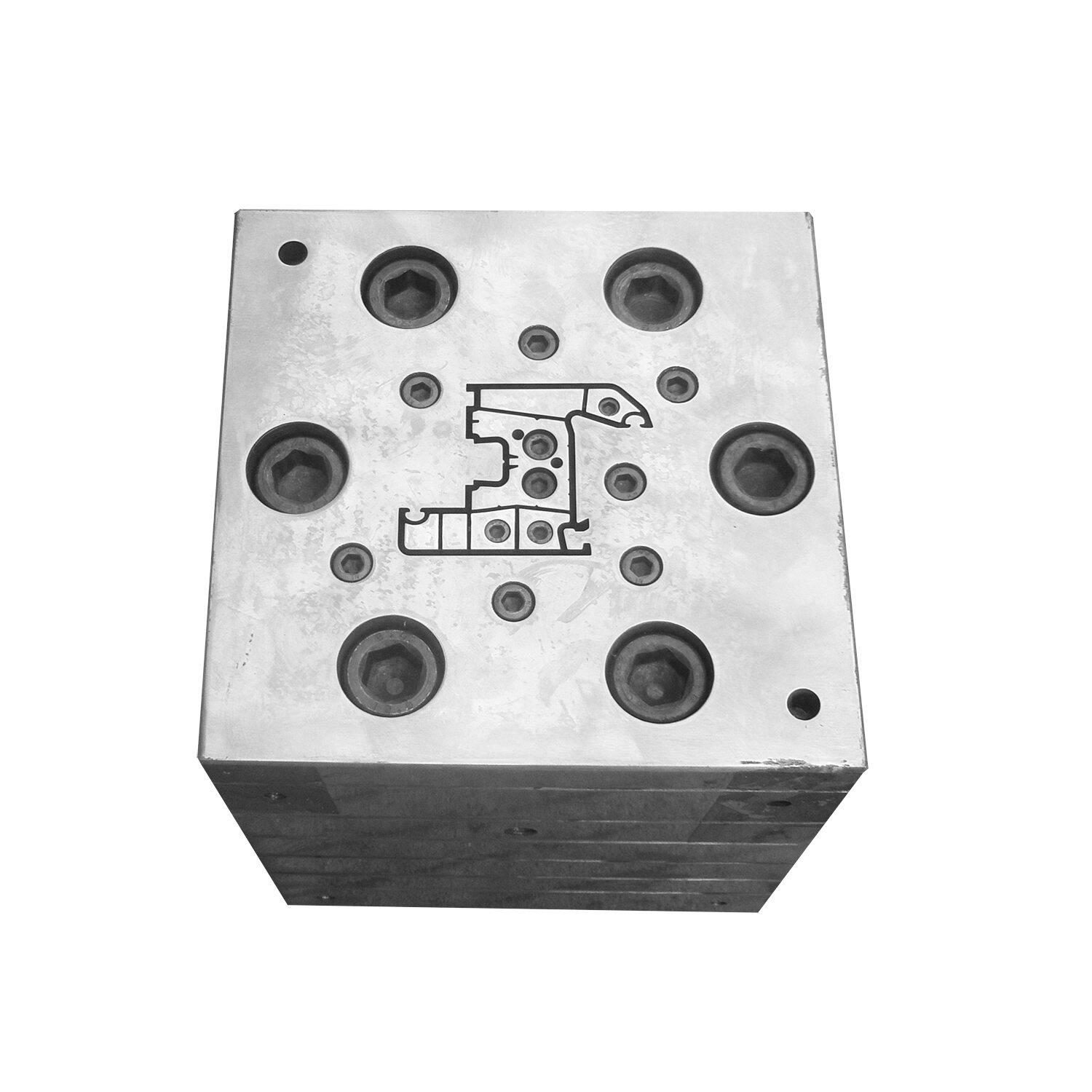
Last month, a commercial contractor asked us if switching to Extrusion Die (PVC/WPC) profiles was actually worth the headache of overhauling their usual timber supply. Here’s the honest truth about how these two materials stack up when the weather gets ugly and the real costs start adding up.
The Quick Reality Check
Last month, a commercial contractor asked us if switching to Extrusion Die (PVC/WPC) profiles was actually worth the headache of overhauling their usual timber supply. They were tired of callbacks for rotting deck boards. Let’s not beat around the bush. Before we get into the weeds, here is a side-by-side look at what you’re actually dealing with.
Feature | Extrusion Die (PVC/WPC) | Traditional Wood |
|---|---|---|
Upfront Cost | Roughly 15-20% higher | Lower initial investment |
Lifespan | 15-25 years (backed by warranty) | 5-10 years (with heavy maintenance) |
Maintenance | Soap, water, maybe 2 hours a year | Staining, sealing, sanding every 1-2 years |
Durability | UV Grade 4-5, B1 fire rated | Prone to splintering, rot, and termites |
Aesthetics | Consistent, modern, realistic grain | Natural, authentic, but fades quickly |
Durability & The Lifespan Reality
Look, traditional wood has that undeniable natural charm. But does it actually hold up in real life? Frankly, no. Not without a massive time commitment.
When we manufacture our PVC/WPC decking and cladding using precision extrusion dies, we’re engineering the material to survive harsh environments. We’re talking UV Grade 4-5 ratings, which means the color won't bleach out into a sad, faded gray after one brutal summer. Plus, our profiles carry a B1 fire rating. Wood? It’s basically fuel.
Here’s what we’ve noticed in the field: a properly maintained wood deck might last 10 years. But "properly maintained" is the catch. Most of the time, it’s neglected. Our Extrusion Die (PVC/WPC) products come with a 25-year warranty. Realistically, you’re looking at 15-20 years in harsh climates before you even think about replacing it. There’s no one-size-fits-all answer, but for longevity, WPC wins by a landslide.
The Maintenance Trap
This is where the argument usually ends. Wood looks great on day one. By year two, it’s weathering. By year three, you’re renting a power washer and buying $150 worth of sealant.
With Extrusion Die (PVC/WPC) profiles, the upkeep is almost insulting. You sweep it. You hose it off. Maybe use a mild soap if someone spilled barbecue sauce. That’s it. We usually tell our clients that switching to WPC saves them about 10-15 hours of labor per 200 square feet annually. If you value your weekends, the math is pretty obvious.
Let’s Talk Money (The Real Cost Breakdown)
Here’s what nobody tells you about the price tag. Yes, Extrusion Die (PVC/WPC) is roughly 15-20% more expensive upfront. If you’re buying basic pressure-treated pine, you might pay around $2.50 per square foot for materials. A comparable WPC board runs closer to $3.50 per square foot.
Sound too good to be true for wood? It is. Because that $2.50 doesn't include the $400 you'll spend on sealants over the next five years, or the $800 you'll pay a contractor to sand and restain it.
When you factor in the 10-year total cost of ownership, WPC is actually cheaper. We’ve run the numbers for dozens of commercial projects. By year seven, the maintenance costs of wood completely eat up the initial savings.
Installation & Ease of Use
You might be wondering if working with WPC is a nightmare. It’s not. In fact, for a standard 200 sq ft patio, our installation teams usually finish in about 2-3 days. The boards are uniform, they don't have hidden knots or warped edges, and they cut cleanly.
That said, there is a learning curve. You can't just throw screws in anywhere. WPC requires specific hidden fastener systems or pre-drilled face screws to allow for thermal expansion. If your crew is used to nailing down pine blindly, they need to read the manual. But once they get the rhythm, it’s significantly faster.
So, Which Should You Actually Choose?
There’s no one-size-fits-all, but here is our honest take.
If you’re building a temporary structure, a low-budget rural fence, or something where you genuinely enjoy the ritual of sanding and staining every summer, stick with wood. It has its place.
But if you’re outfitting a commercial patio, a high-traffic residential deck, or looking for WPC wall cladding for a modern facade? Go with Extrusion Die (PVC/WPC). The upfront cost is a speedbump, but the zero-maintenance lifespan is a game-changer. About 70% of our customers who switch from wood never go back.
Frequently Asked Questions
Does Extrusion Die (PVC/WPC) get too hot to walk on barefoot?
It can. Darker colors absorb more heat. In direct, blazing afternoon sun, it will feel warmer than wood. We usually recommend lighter shades for pool decks or barefoot areas to mitigate this.
Can I paint or stain my WPC profiles if I change my mind?
Technically, yes, but we strongly advise against it. The whole point of WPC is the factory-applied color and UV protection. Painting it voids the warranty and usually peels within a year because the surface is designed to repel moisture.
Is Extrusion Die (PVC/WPC) truly waterproof?
The PVC/WPC core is 100% waterproof. It won't rot or swell if submerged. However, the surface texture can hold standing water, which might cause mildew if it's constantly shaded and damp. Good drainage is still key.
How does the slip resistance compare to wet wood?
WPC generally has better slip resistance, especially when wet. Wood gets incredibly slick when algae or moss starts to grow in the grain. Our profiles have an embossed texture that grips well, even in the rain.
Making the switch from traditional timber to engineered profiles is a big decision. It changes how you build, how you price, and how you handle client expectations. If you want to see the exact specs for our latest runs, check out our PVC/WPC fencing lineup. We’re always here to chat about the technical details if you need to run some numbers for your next bid.