
WPC Fence vs wooden fence: which is better? Full 2026 Guide
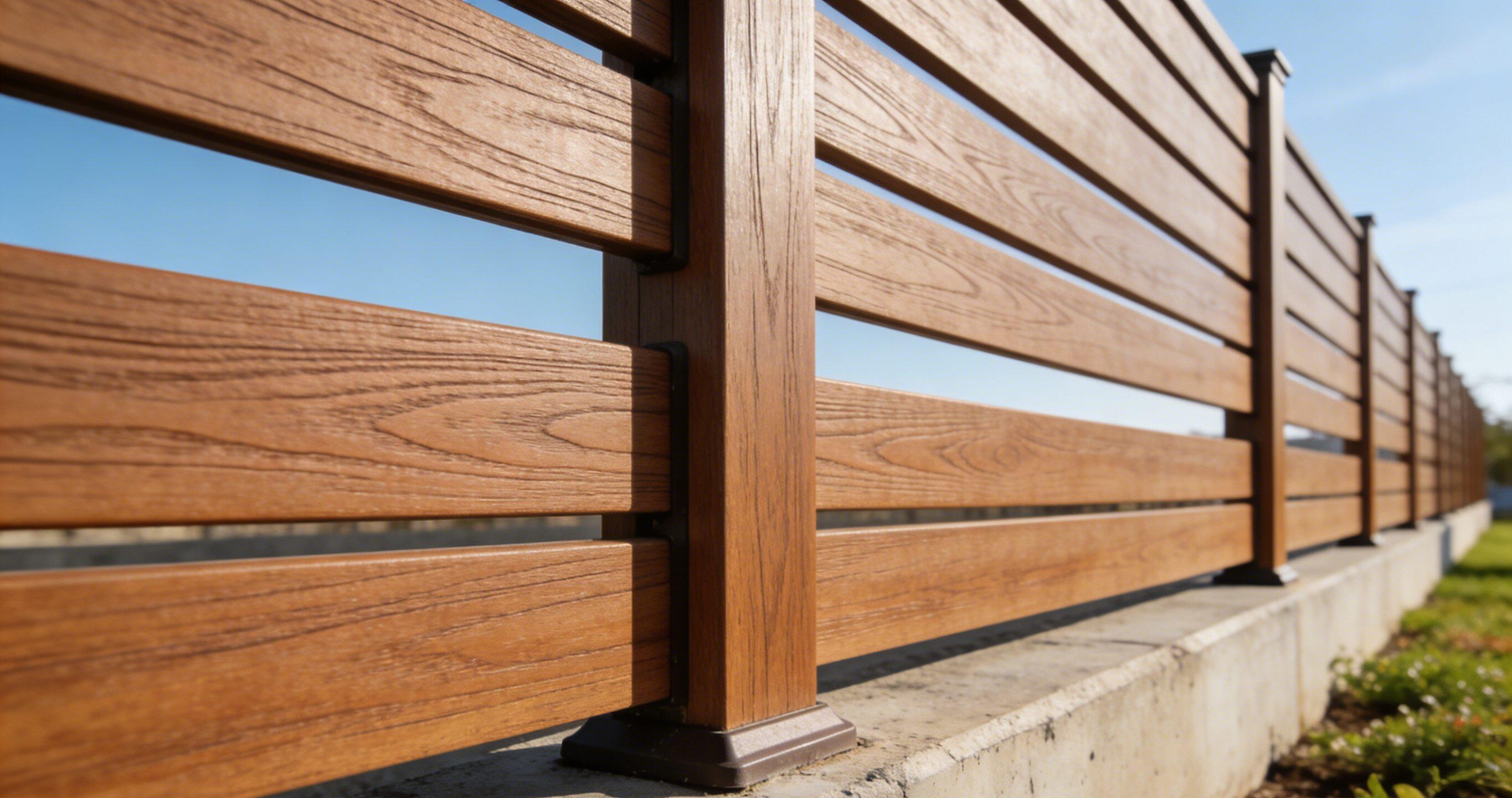
Last month, a homeowner asked us if composite fencing is truly worth the upgrade from traditional timber. Here is the honest truth about how WPC and wood actually compare in real-world conditions.
The Real Question: Is "Better" Even the Right Word?
Last month, a homeowner stood in our showroom, staring at a WPC fence panel and a traditional cedar picket. "I just want something that looks natural and won't rot in three years," he said. "But is the plastic stuff really better than real wood?"
It’s the exact question we get asked dozens of times a week. Let's be honest: "better" is a loaded word. If you want to sand, seal, and stain your perimeter every two years, wood is better. If you want to install it and actually forget about it for a decade? That’s a completely different story.
Here’s what we’ve noticed after years of supplying both materials. People rarely regret upgrading to WPC, but they almost always regret the maintenance that comes with wood.
Quick Comparison Overview
Before we dive into the weeds, here is the raw data. No fluff, just the metrics that actually matter when you're standing in the lumber aisle.
Feature | WPC Fence | Wooden Fence |
|---|---|---|
Upfront Cost | $25 - $45 per linear ft. | $15 - $30 per linear ft. |
Lifespan | 15 - 25+ years | 10 - 15 years (with heavy upkeep) |
Maintenance | Occasional soap and water wash | Power washing, staining, sealing every 2-3 years |
Weather Resistance | High (No rot, termites, or warping) | Low (Prone to rot, swelling, and splitting) |
Aesthetics | Consistent wood-grain texture, modern look | Natural, unique grain, ages to gray if untreated |
Durability & Lifespan: The Organic vs. Synthetic Battle
Wood is organic. Fundamentally, it wants to return to the earth. Moisture destroys it. Termites love it. UV rays break down its lignin, turning it gray and brittle. Even pressure-treated pine will eventually warp and split.
WPC (Wood Plastic Composite) changes the game. By blending recycled wood fibers with high-density polymers, you get the look of wood without the biological weaknesses. It doesn't rot. It doesn't splinter.
We back our WPC fence panels with a 25-year warranty. But let's be realistic. In harsh coastal climates with intense salt air and UV exposure, expect about 15-20 years of solid performance before any minor fading occurs. Speaking of which, our boards feature UV Grade 4-5 fade resistance. They won't turn chalky like cheap plastics. Plus, they carry a B1 fire rating, which is a massive safety upgrade over dry timber.
But does it actually hold up perfectly? Mostly. The one downside we see fairly often is thermal expansion. WPC gets hot in direct summer sun and expands slightly. You have to leave proper gap spacing during installation, or it will buckle.
Maintenance & Care: What Each Actually Requires
Here's what nobody tells you about wood fences. The first year, they look gorgeous. By year three? You're looking at water stains, mildew, and faded boards.
To keep a wood fence looking decent, you'll spend roughly 2-3 days every few years power washing, sanding, and re-staining a standard 200 sq ft perimeter. That’s a whole weekend you could be doing literally anything else.
WPC? Grab a hose. Maybe use some mild soap and a soft brush if a bird leaves a mess or pollen builds up. That's it. There is no sealing. No sanding. No chemical treatments. Most of the time, rain does the job for you.
Cost Analysis: The Upfront Shock vs. Long-Term Reality
Let's talk money. Upfront, WPC is roughly 15-20% more expensive. Wood runs about $15 to $30 per linear foot installed, depending on the species. WPC sits closer to $25 to $45.
Sound too good to be true on the wood side? The catch is the long-term cost.
Factor in $500 to $1,000 for professional staining and sealing every 3-5 years. Over a 15-year period, a wood fence will cost you significantly more in labor and materials just to keep it from looking like a disaster. When you run the 15-year total cost of ownership, WPC actually pays for itself. You're basically pre-paying for 15 years of zero maintenance.
Installation & Ease of Use
Both systems require setting posts in concrete. The framing logic is similar. But WPC panels are heavier. You can't just manhandle them into place like a lightweight cedar picket. You'll definitely need an extra set of hands.
We usually recommend using a hidden fastener system for a clean, seamless look. This takes a bit more precision than just nailing wood boards, but the final result is a modern, uninterrupted composite fence that looks incredibly high-end.
Which Should You Actually Choose?
There's no one-size-fits-all answer, but here is how we usually break it down for customers.
Choose Wood If: You are on a strict, non-negotiable upfront budget. You enjoy weekend DIY projects and don't mind the physical labor of staining. You want a traditional, rustic look that naturally weathers to a silvery gray.
Choose WPC If: You value your free time. You want a privacy fence that just sits there looking brand new for a decade. You live in a humid, rainy, or termite-prone area where wood simply won't survive long-term.
Frequently Asked Questions
Does a WPC fence look fake or plastic?
Not anymore. Early composites looked exactly like plastic. Today, our boards feature deep, embossed wood-grain textures and multi-chromatic coloring. From a distance, most people can't tell the difference.
Can I paint or stain my WPC fence to change the color?
Please don't. WPC is designed to be maintenance-free. Paint won't adhere properly to the polymer surface and will peel horribly within a year. If you want a different color, just buy the different color.
How does WPC handle high winds compared to wood?
Solid privacy panels act as wind sails, whether they are wood or WPC. In very windy areas, we recommend using semi-privacy designs or ensuring your posts are set deeper with heavier concrete footings. The material itself won't snap, but the wind load is the real enemy.
Is WPC really eco-friendly?
Yes. It's made from recycled plastics (like HDPE) and reclaimed wood dust from sawmills. It keeps both materials out of landfills and requires zero toxic chemical treatments over its lifespan.
Can I get a matching gate?
Absolutely. A fence is only as good as its weakest link. We offer custom WPC gates that match your panels perfectly, complete with heavy-duty hidden hinges to prevent sagging over time.
Still on the fence (pun intended)? Think about what you did last summer. Did you spend it relaxing in your yard, or did you spend it scraping and painting old timber? That usually answers the question for you.