
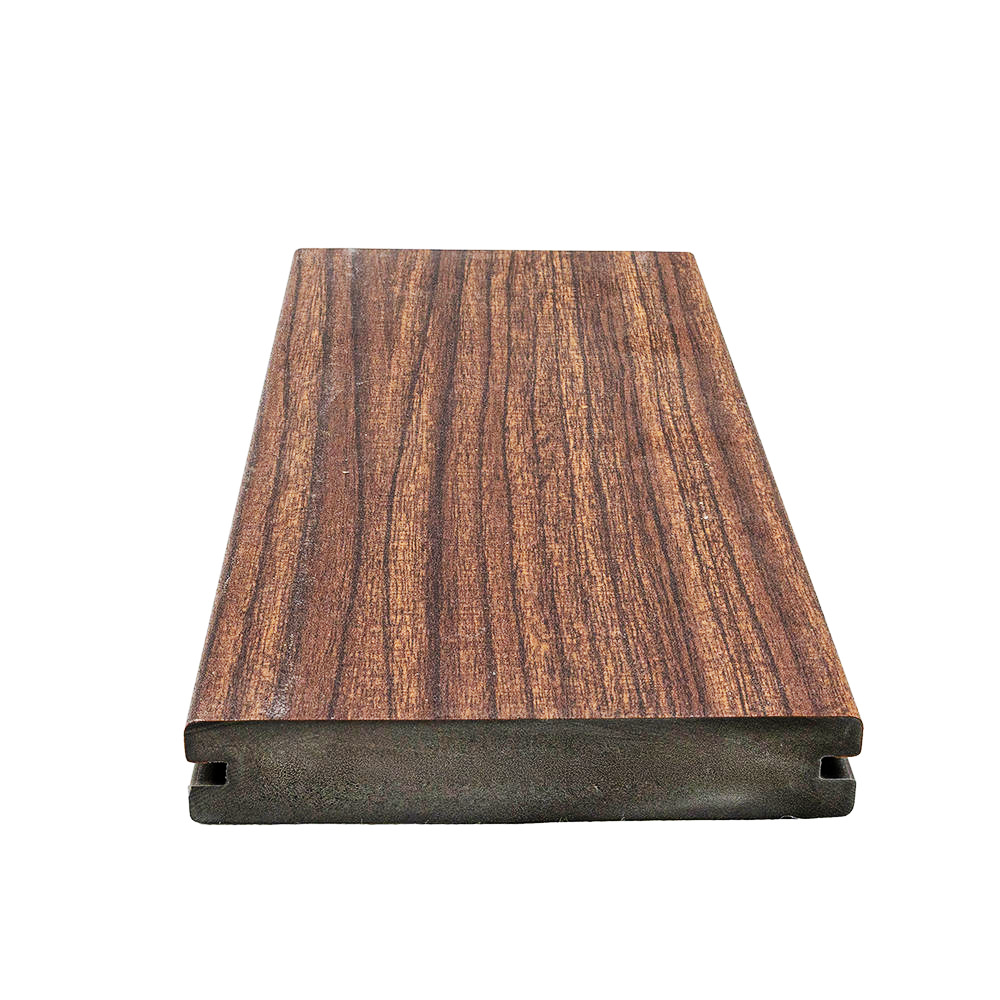
Outdoor Decking vs natural wood decking: which is better? Full Comparison 2026
Wondering whether to go with WPC or natural wood for your outdoor deck? We break down the real costs, maintenance headaches, and lifespan differences to help you decide.
Last month, a contractor called us, frustrated
He’d just finished a beautiful natural wood deck, and the client was already complaining about splinters and the upcoming weekend staining job. It got us thinking about the age-old debate: Outdoor Decking vs natural wood decking: which is better? Let's be honest, there’s no one-size-fits-all answer. But we can give you the real numbers, the hidden costs, and the industry truths that brochures usually skip.
Quick Comparison Overview
Before we dive into the weeds, here’s the raw data. Look at the big picture first.
Feature | WPC Outdoor Decking | Natural Wood Decking |
|---|---|---|
Upfront Cost | $6.00 - $8.50 / sq ft | $3.50 - $5.00 / sq ft |
Lifespan | 15-25+ years | 10-15 years (with heavy upkeep) |
Annual Maintenance | Soap & water (2-3 hrs) | Sand, seal, stain (1-2 days) |
Weather Resistance | High (UV Grade 4-5) | Low (prone to warping/rot) |
Fire Rating | B1 (Excellent) | Class C (Combustible) |
Durability & Lifespan: The Reality Check
Wood rots. It just does. Even pressure-treated pine will eventually succumb to moisture, termites, and UV degradation. You're lucky to get 10-15 years out of a wood deck without major board replacements.
WPC? It’s a different beast. Our WPC outdoor decking comes with a 25-year warranty. Realistically, in harsh climates, we see it performing flawlessly for 15-20 years. It features UV Grade 4-5 fade resistance, meaning it won't turn that ugly chalky gray like untreated wood. Plus, it carries a B1 fire rating. If you live in a wildfire-prone area or just want peace of mind around the grill, that matters.
But does it actually hold up in real life? Yes, though it’s not magic. If you drag heavy metal furniture across it, it can scratch. Wood scratches too, but you can sand it out. You can't sand WPC.
Maintenance: Where Wood Bleeds Your Weekends
Here's what nobody tells you about wood decks: they are high-maintenance divas. To keep natural wood from looking like driftwood, you need to sand and reseal it every 1 to 2 years. That’s a full weekend of back-breaking labor, plus $150-$300 in materials.
With composite materials, you just sweep it and occasionally wash it with soap and water. Maybe 2-3 hours a year. That’s it. About 70% of our customers choose composite decking purely because they want their weekends back.
Cost Analysis: The Upfront Trap
Frankly, wood wins on day one. Basic pressure-treated pine runs about $3.50 to $5.00 per square foot. WPC is roughly 15-20% more expensive upfront, sitting around $6.00 to $8.50 per square foot.
But wait. Factor in the 10-year maintenance cost. Over a decade, that wood deck will cost you an extra $1,500 to $2,500 in sealants, stains, and replacement boards. When you look at the total cost of ownership, WPC actually breaks even or becomes cheaper by year seven. The catch is, if you're flipping a house next year, wood might boost initial curb appeal slightly because buyers love the 'authentic' feel.
Installation & Ease of Use
Both are pretty DIY-friendly if you have basic carpentry skills. Building a 200 sq ft deck takes about 2-3 days for a competent DIYer.
The difference? WPC is heavier. A 12-foot WPC board can weigh 30% more than its wood counterpart. You’ll definitely need an extra pair of hands. Also, WPC expands and contracts with temperature changes, so you must follow the gap spacing guidelines strictly. Wood does this too, but it’s more forgiving if you mess up the gaps.
Pros and Cons Summary
Natural Wood
Authentic, natural grain and smell
Cheaper initial material cost
Can be sanded, painted, or stained any color
Requires annual sealing and staining
Prone to splinters, rot, and termite damage
Shorter overall lifespan
WPC Outdoor Decking
Zero annual staining or sealing required
No splinters, barefoot friendly
25-year warranty and B1 fire rating
Higher upfront cost (15-20% more)
Can get hot in direct summer sun (though co-extruded caps help)
Cannot be painted or sanded if deeply scratched
Which Should You Choose?
There’s no one-size-fits-all. If you genuinely love weekend DIY projects, don't mind the smell of wood stain, and want that 100% authentic natural feel, go with wood. It’s beautiful, when it’s fresh.
But if you want to spend your weekends actually relaxing on your deck rather than maintaining it, WPC is the clear winner. If you're also looking to upgrade your exterior walls, you might even want to match it with some WPC cladding for a cohesive, low-maintenance facade.
Frequently Asked Questions
Does WPC decking look fake?
Not anymore. Early generation composite looked like plastic. Modern co-extruded WPC has deep 3D wood grain embossing that genuinely fools people from a few feet away.
Can I paint my WPC deck if I change my mind?
We usually don't recommend it. Paint doesn't adhere well to the composite surface and will peel quickly. Pick your color wisely from the start.
Is WPC slippery when wet?
Generally, no. The textured surface provides good slip resistance, making it safer around pools compared to smooth, algae-prone wood.
What about heat retention in the summer?
WPC can get hotter than wood in direct sunlight. Darker colors absorb more heat. If your deck is in full, unshaded sun all day, consider a lighter color or adding an outdoor rug.
Does WPC require special cleaning products?
Nope. Avoid harsh chemicals or bleach. A mix of mild dish soap and warm water with a soft-bristle brush is all you need. For stubborn stains, a dedicated composite deck cleaner works wonders.