WPC Coastal Boardwalks: The Ultimate Fire-Rated & UV-Resistant Guide 2026
Coastal and hospitality projects demand materials that withstand salt, sun, and strict fire codes. This guide explores how advanced WPC solutions deliver unmatched durability and aesthetic appeal for boardwalks and hotel terraces in 2026.
1. Introduction
Designing outdoor spaces for coastal resorts, beachfront restaurants, and marine boardwalks presents a unique set of challenges. The relentless combination of salt spray, intense UV radiation, and strict municipal fire codes can quickly degrade traditional materials. For architects and B2B developers in 2026, finding a solution that balances high-end aesthetics with extreme durability is paramount. Advanced Wood Plastic Composite (WPC) has emerged as the definitive material for these demanding environments, offering a seamless blend of natural beauty and industrial-grade resilience.
2. The Harsh Reality of Coastal Environments
When specifying materials for hospitality projects near the water, understanding the environmental stressors is the first step toward a successful, long-lasting installation.
Salt Spray and Moisture Penetration
Coastal air is heavily saturated with salt, which accelerates the corrosion of metal fasteners and the rotting of natural timber. Unlike traditional wood, premium WPC is completely impervious to moisture absorption. This zero-water-absorption profile prevents the swelling, warping, and splitting that typically plagues beachfront installations after just a few seasons.
Intense UV Degradation
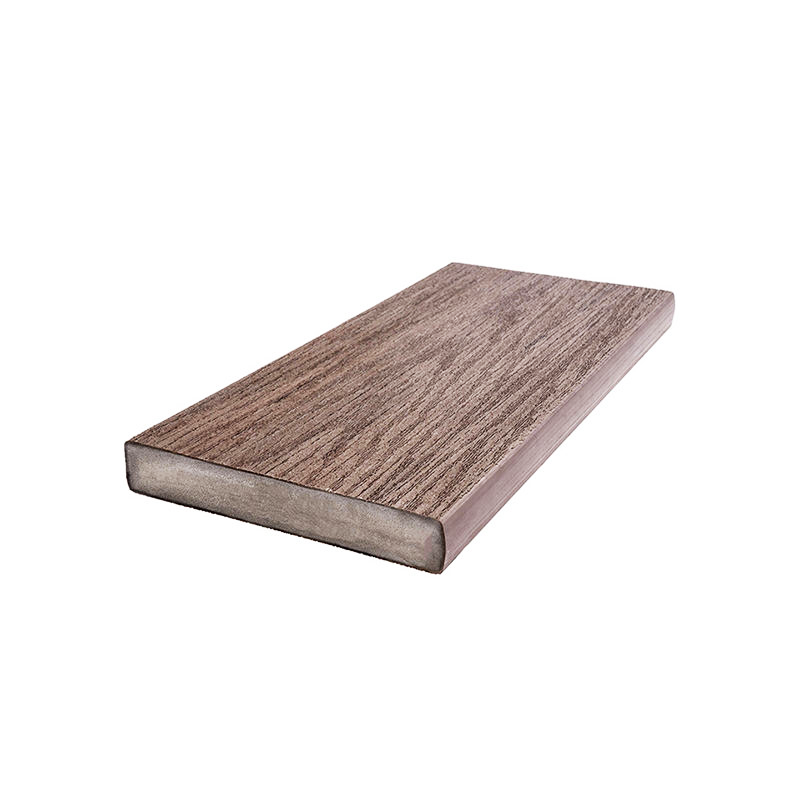
Direct, unfiltered sunlight can bleach and brittle standard plastics and untreated woods. To combat this, our coastal-grade profiles are co-extruded with a highly engineered polymer shield, achieving a remarkable UV Grade 4-5. This ensures that the rich, wood-grain textures remain vibrant and fade-resistant, even under the harshest tropical or desert sun.
Strict Fire Safety Regulations
Public boardwalks and hotel terraces are subject to stringent commercial fire safety codes. Natural wood is a significant liability in these zones. By utilizing materials with a certified B1 fire rating, developers can ensure compliance with international safety standards without sacrificing the warm, organic aesthetic that guests expect.
3. WPC vs. Tropical Hardwood vs. Concrete for Boardwalks
Choosing the right material impacts not only the initial budget but also the lifecycle cost and guest experience. Here is how modern WPC compares to traditional alternatives in marine environments.
Feature | Tropical Hardwood | Poured Concrete | Aorai Coastal WPC |
|---|---|---|---|
Moisture & Salt Resistance | Moderate (Requires Sealing) | High (Prone to Cracking) | Excellent (Zero Absorption) |
UV Stability | Grays Over Time | High | UV Grade 4-5 (Fade Resistant) |
Fire Rating | Combustible | Non-Combustible | B1 Fire Rating |
Maintenance | Annual Oiling/Sanding | Low | Minimal (Soap & Water) |
Warranty | None / Limited | Structural Only | 25-Year Warranty |
As the data illustrates, WPC decking provides the optimal middle ground: the visual warmth of timber with the lifecycle benefits of engineered composites.
4. Designing for Hospitality: Aesthetics Meets Safety
Guests seek immersive, natural experiences when visiting coastal properties. The material palette must reflect the surrounding environment while prioritizing safety.
Slip Resistance for Pool Decks and Piers
Wet boardwalks and pool surrounds are high-risk zones. Our coastal profiles feature a micro-textured surface that provides exceptional slip resistance, even when wet, ensuring guest safety without compromising the premium look.
Seamless Integration with Facades
Cohesive design is a hallmark of luxury hospitality. By pairing your deck installation with matching WPC wall cladding, you can create a continuous, flowing aesthetic that bridges the gap between indoor lounges and outdoor terraces.
Privacy and Windbreaks
Coastal winds can be harsh. Integrating custom WPC fencing and privacy screens not only protects guest seating areas but also adds a layer of acoustic dampening, enhancing the overall tranquility of the space. Integrating LED strip lighting beneath the fascia or within the railing systems highlights the wood-grain textures at night, creating a luxurious ambiance for evening events.
5. Installation Best Practices for Marine Environments
Proper installation is critical to maximizing the 25-year warranty and ensuring structural integrity against high winds and tidal shifts.
Marine-Grade Substructure: Always use aluminum or galvanized steel joists in coastal zones to prevent substructure corrosion.
Hidden Clip Systems: Utilize stainless steel hidden clips to allow for thermal expansion and contraction while maintaining a clean, nail-free surface.
Adequate Ventilation: Ensure a minimum of 18 inches of clearance below the decking for cross-ventilation, preventing heat buildup and allowing salt spray to pass through without settling.
Expansion Joints: For long boardwalk runs exceeding 30 meters, incorporate dedicated expansion joints to prevent buckling during peak summer heat.
FAQ
1. Is WPC truly suitable for direct beachfront applications?
Yes. When specified with a co-extruded UV shield and installed with marine-grade substructures, WPC is highly resistant to salt spray, sand abrasion, and moisture, making it ideal for beachfront boardwalks.
2. What does a B1 fire rating mean for my project?
A B1 fire rating indicates that the material is difficult to ignite and has a very low flame spread rate. This is crucial for meeting commercial building codes in public hospitality spaces and coastal parks.
3. How does the UV Grade 4-5 rating benefit the property?
The UV Grade 4-5 rating guarantees exceptional color fastness. It means the decking will resist fading and chalking from intense sun exposure, maintaining its premium appearance for years without the need for chemical sealants.
4. Can WPC withstand the weight of heavy commercial furniture?
Absolutely. When installed over properly spaced joists, our commercial-grade WPC profiles boast high load-bearing capacity, easily supporting heavy planters, commercial dining sets, and high foot traffic.
5. What kind of maintenance is required for coastal WPC?
Maintenance is minimal. An occasional rinse with fresh water to remove salt buildup and a gentle wash with mild soap is all that is needed to keep the surface pristine.
6. How does WPC compare to composite alternatives on the market?
Unlike cheaper, uncapped composites, our coastal-grade WPC features a fully encapsulated polymer shield. This 360-degree protection prevents mold, mildew, and moisture ingress from all sides, ensuring superior performance in marine environments.
6. Elevate Your Coastal Projects with Aorai Tech
Creating unforgettable outdoor spaces for your hospitality clients requires materials that work as hard as the environments they inhabit. By choosing advanced WPC solutions backed by a 25-year warranty, B1 fire safety, and UV Grade 4-5 protection, you are investing in longevity, safety, and unparalleled guest satisfaction. Explore our comprehensive range of commercial-grade profiles today and partner with Aorai Tech to bring your most ambitious coastal visions to life.