
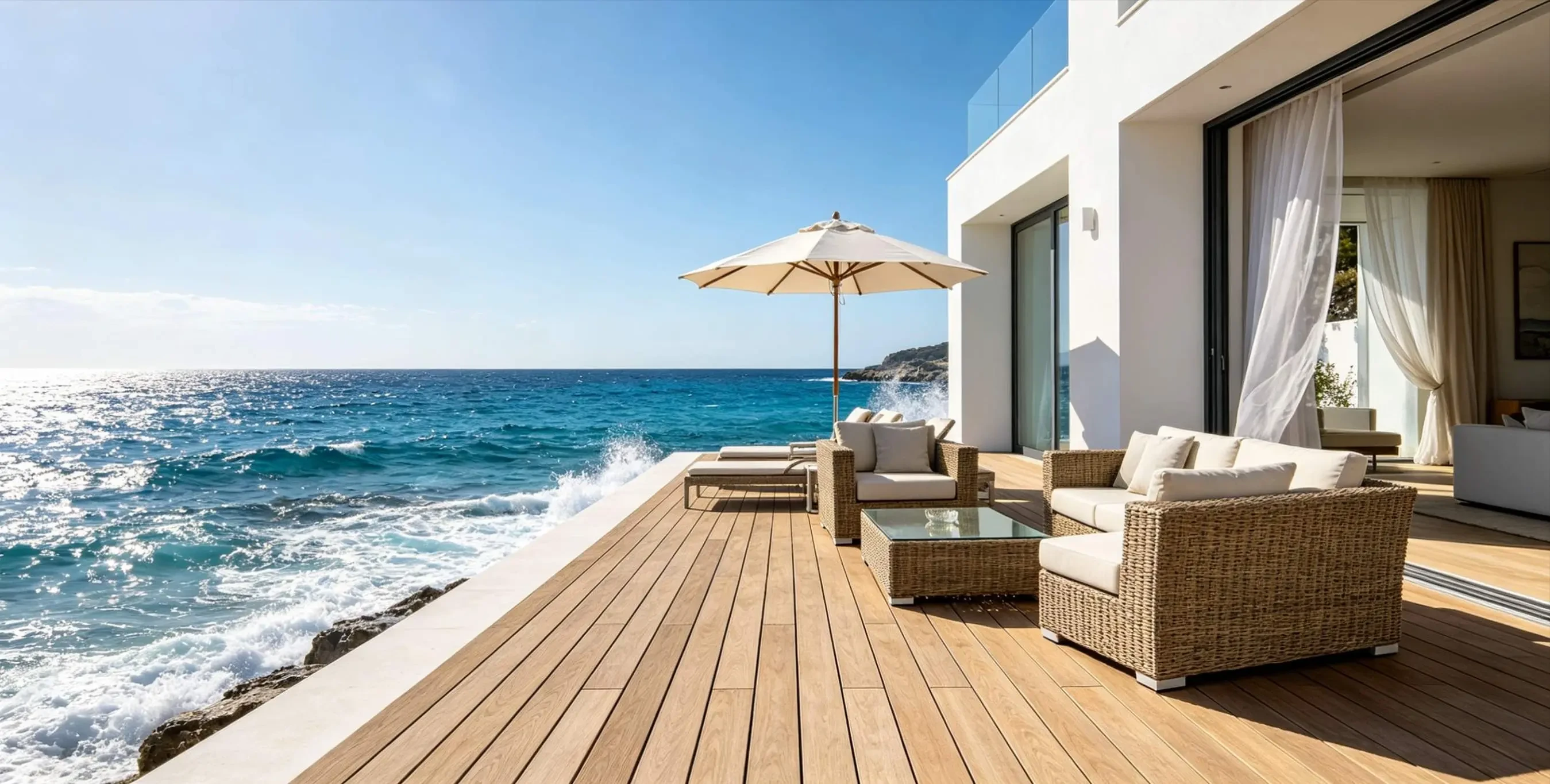
WPC Decking vs Wood: Which Is Better for Your Outdoor Space?
An honest comparison between WPC composite decking and traditional wood decking. We break down durability, maintenance, cost, aesthetics, and lifespan to help you choose the right outdoor decking material.
The Decking Decision That Changes Everything
Choosing between WPC composite decking and natural wood is one of the most important decisions you'll make during any outdoor renovation. It affects how your backyard looks, how much time you spend maintaining it, and — perhaps most importantly — how much money you'll spend over the next decade or two.
This isn't a simple question with a simple answer. Both materials have legitimate strengths, and the right choice depends on your specific priorities: budget, climate, lifestyle, and aesthetic vision. Let's break down every factor that matters so you can make a confident decision.
Durability & Lifespan: The Long Game
This is where the gap between WPC and wood becomes impossible to ignore.
Natural Wood Decking
A well-maintained hardwood deck — say, ipe or teak — can last 25-40 years. That's impressive. But 'well-maintained' is doing heavy lifting in that sentence. It means annual sanding, oiling or sealing, careful inspection for rot and insect damage, and immediate attention to any moisture issues. Most wood decks in reality last 10-15 years before needing significant repair or replacement.
Pressure-treated pine, the most common and affordable wood option, typically lasts 10-15 years even with proper maintenance. In humid or coastal climates, that timeline shrinks further.
WPC Composite Decking
Modern WPC composite decking is engineered for exactly the conditions that destroy natural wood. The wood-plastic composite core is completely waterproof — no moisture absorption means no rot, no swelling, no cracking from freeze-thaw cycles. UV stabilizers prevent fading. Anti-mold additives inhibit fungal growth.
Quality WPC decking carries a 25-year structural warranty with minimal maintenance requirements. There's no sanding, no sealing, no staining. A periodic wash with soap and water keeps it looking new. The actual lifespan often exceeds the warranty period significantly.
Winner: WPC composite decking for real-world longevity without the maintenance burden
Maintenance: Your Time Is Valuable
Let's talk about what your weekends actually look like.
Wood Deck Maintenance
Owning a natural wood deck means committing to a regular maintenance schedule:
Annual: Deep cleaning, sanding, and reapplication of sealant or stain ($200-$500 in materials, or $800-$2,000 if hiring professionally)
Every 2-3 years: Power washing, inspection for soft spots, board replacement if rot is detected
As needed: Splinter repair, insect treatment, mold remediation
Total 10-year maintenance cost: $3,000-$15,000+ depending on deck size and whether you DIY
WPC Deck Maintenance
WPC decking maintenance is refreshingly simple:
Regular: Sweep or hose off debris
Seasonal: Wash with mild soap and water (15-30 minutes)
As needed: Spot-clean stains with a non-abrasive cleaner
Total 10-year maintenance cost: Effectively zero — just your time for an occasional wash
Winner: WPC, overwhelmingly. The time and money savings are transformative
Aesthetics: The Looks That Matter
This is the category where the conversation gets interesting — because the gap between WPC and wood has narrowed dramatically in recent years.
The Beauty of Natural Wood
Nothing replicates the exact character of natural wood grain. Each board is unique, with subtle color variations, natural knots, and that unmistakable organic warmth. For purists, there's simply no substitute. If you love the authentic feel of real timber underfoot, wood still holds emotional appeal.
How Far WPC Has Come
Today's premium WPC decking features deep embossed wood-grain textures, multi-tonal color variation, and matte finishes that genuinely fool the eye. From a standing position, most visitors cannot tell the difference. The available color palette — from warm teak and walnut to cool grey and charcoal — covers virtually every design vision.
Where WPC actually improves on wood is consistency. Every board matches. There are no ugly knots, no sap spots, no color variations that look like mistakes. You get the warmth of wood with the precision of modern engineering.
Winner: Subjective. Wood wins for purists; WPC wins for consistency and modern design flexibility
Cost Analysis: Looking Beyond the Price Tag
This is where most comparisons go wrong — by only looking at upfront material cost.
Upfront Material Cost
Pressure-treated pine: $2-$5 per sq. ft.
Hardwood (ipe, teak): $8-$15 per sq. ft.
WPC composite decking: $4-$9 per sq. ft.
On material cost alone, pressure-treated pine is cheapest, followed by WPC, then hardwood.
Total Cost of Ownership (10-Year View)
When you factor in maintenance, repairs, and replacement, the picture changes completely:
Pressure-treated pine (10 years): Material + $3,000-$10,000 maintenance + potential replacement = highest total cost
Hardwood (10 years): Higher material cost + $2,000-$6,000 maintenance = significant ongoing investment
WPC composite (10 years): Material cost + near-zero maintenance = lowest total cost of ownership
Winner: WPC composite decking for long-term value. The initial premium pays for itself within 3-5 years
Environmental Impact: The Sustainability Question
Both wood and WPC have environmental arguments, but they're different than most people assume.
Wood: Renewable but Complex
Wood is a renewable resource, which sounds inherently eco-friendly. However, the reality of tropical hardwoods involves deforestation concerns, chemical preservative treatments (for pressure-treated lumber), and a shorter lifespan that means more frequent replacement — more harvesting over time.
WPC: The Recycling Story
Quality WPC composite decking is made from recycled HDPE plastic and reclaimed wood fiber — materials that would otherwise end up in landfills. The manufacturing process generates minimal waste, and the resulting product lasts 2-3 times longer than pressure-treated wood, reducing the lifecycle environmental footprint.
Winner: Depends on your priorities. WPC for waste reduction and longevity; FSC-certified wood for renewable sourcing
Safety & Comfort: The Details You Feel
A deck is something you walk on barefoot. The tactile experience matters.
Splinters: Wood decks develop splinters over time as the surface degrades. WPC is splinter-free for its entire lifespan — essential for families with young children
Heat retention: Both materials absorb heat in direct sun. Lighter-colored WPC boards run cooler than dark-stained wood
Slip resistance: Wet wood becomes dangerously slippery. Quality WPC features embossed anti-slip textures that maintain traction in wet conditions
Fire resistance: WPC decking typically achieves B1 fire rating, outperforming most untreated wood options
The Verdict: Which Should You Choose?
Here's the honest answer: it depends on what matters most to you.
Choose natural hardwood if: You value the authentic feel above all else, have a budget for premium materials and ongoing maintenance, and live in a dry climate
Choose pressure-treated pine if: Your budget is tight upfront and you're comfortable committing to regular maintenance, or you plan to replace the deck within 10-15 years
Choose WPC composite decking if: You want a beautiful outdoor space that stays beautiful with minimal effort, you value long-term cost savings, and you prefer spending your weekends enjoying your deck — not maintaining it
For the vast majority of homeowners, WPC composite decking offers the best balance of beauty, durability, and value. It's the choice that lets you stop thinking about your deck and start actually using it.
And if your renovation extends beyond the deck — consider how WPC indoor flooring can create a seamless flow from interior to exterior, or how WPC wall panels can bring that same modern aesthetic to your feature walls.
Ready to See the Difference?
Aorai Tech's WPC decking range combines 25-year warranty protection, UV-stabilized color technology, and a palette of natural wood-look finishes that make the choice between composite and wood easier than ever. Request a free sample, feel the quality, and imagine what your outdoor space could become.