
WPC Doors & Windows vs solid wood doors: which is better? 2026
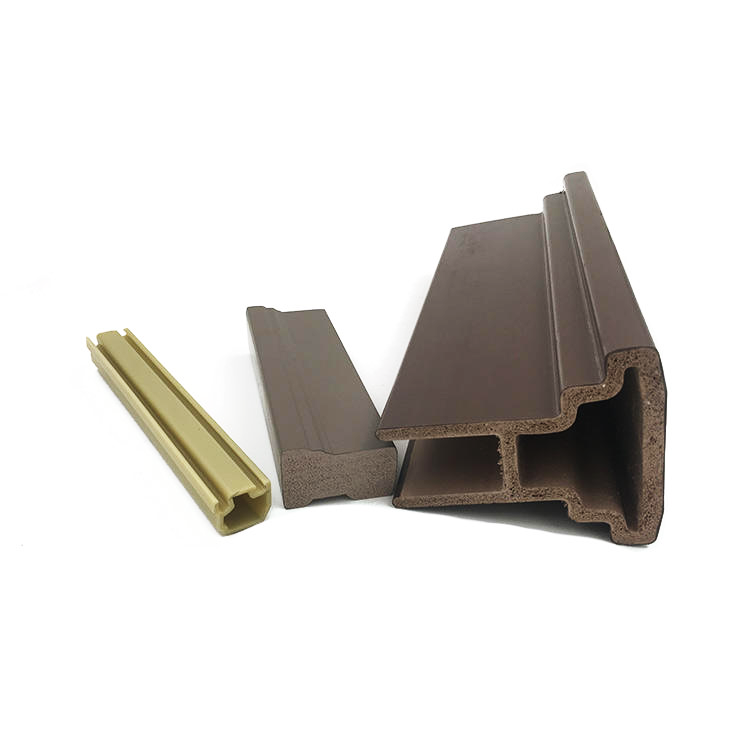
Last month, a contractor asked us if they should switch their entire multi-family project from solid wood to WPC. It’s the million-dollar question in our industry right now, and here is the honest truth about how they stack up.
Last month, a multi-family developer asked us if they should scrap their solid wood spec and switch to WPC for 150 units. It’s the exact question we get about three times a week.
You're looking at a massive project or your dream home, and you're stuck between the classic charm of solid wood and the modern promise of Wood-Plastic Composite. Let's cut through the marketing fluff and look at the actual data.
Quick Comparison Overview
Before we get into the weeds, here’s the raw snapshot of how these two materials compare on paper.
Feature | WPC Doors & Windows | Solid Wood |
|---|---|---|
Upfront Cost | $250 - $450 per unit | $150 - $350 per unit |
Lifespan | 20-25+ years | 10-15 years (highly climate dependent) |
Water Resistance | 100% waterproof core | Swells and warps if unsealed |
Maintenance | Occasional soap and water | Annual sanding, sealing, or painting |
Fire Rating | B1 (self-extinguishing) | Flammable (requires chemical treatment) |
The Reality of Durability (And Where Wood Wins)
Here's the thing about solid wood. It’s beautiful. But it’s basically a giant sponge.
When humidity spikes, wood doors swell. You know that annoying sticking issue you get in the middle of summer? That's just wood absorbing moisture from the air. WPC, on the other hand, is literally engineered to ignore water. Our WPC door frames feature a 100% waterproof core. They don't swell, they don't rot, and they definitely don't attract termites.
But let's be honest about aesthetics. A high-end mahogany door has a depth and grain that WPC hasn't quite perfectly replicated yet. WPC uses advanced 3D printing and embossing to mimic wood grain, and from a few feet away, most people can't tell the difference. But up close? Wood still wins the tactile test.
Where WPC absolutely crushes wood is in environmental resistance. Our profiles carry a UV Grade 4-5 rating. That means the color won't fade into a chalky mess after two harsh summers. Plus, they boast a B1 fire rating, making them self-extinguishing. Solid wood? It's just fuel.
Maintenance: The Hidden Cost of Wood
This is where the real cost difference hides.
Customers often tell us they chose wood because they "don't mind a little upkeep." Frankly, most people underestimate what that actually means. A solid wood exterior door needs to be sanded and resealed or repainted every 1 to 3 years, depending on your local climate. If you skip a year, the finish cracks, moisture gets in, and the wood starts to rot.
WPC is practically zero maintenance. You wipe it down with soapy water if it gets dirty. That's it. There's no sanding. No staining. No worrying about the bottom rail rotting from rain splash-back.
Cost Analysis: The 10-Year View
Look, WPC is roughly 15-20% more expensive upfront. A basic solid pine door might run you $150, while a comparable WPC door sits around $250 to $300.
But here’s what we’ve noticed when we crunch the numbers for our clients: the break-even point is usually around year four.
When you factor in the $100-$150 you'll spend every few years on wood maintenance, plus the potential cost of replacing a warped wood door after 10 years, WPC becomes the cheaper option. And that’s backed by a 25-year warranty. Most solid wood doors only carry a 1-to-5 year warranty because the manufacturer knows the elements will eventually beat them.
Installation Quirks You Should Know
Both materials machine similarly. You can route, drill, and screw WPC just like wood. But there's a catch with WPC. It’s denser.
You need to pre-drill screw holes near the edges, or the material might split. It’s not hard, just different. Also, WPC is heavier. A solid core WPC door can weigh 15-20% more than a hollow-core wood door. Make sure your hinges are rated for the extra weight, or it will sag in six months.
Pros and Cons: The Honest Breakdown
WPC Doors & Windows
Totally immune to water damage and termites.
B1 fire rating gives you real peace of mind in commercial builds.
Zero annual maintenance saves you hours every single year.
Heavier weight requires heavy-duty hinges and careful handling.
Doesn't have the exact tactile feel of natural timber up close.
Solid Wood Doors
Unbeatable natural beauty and authentic grain depth.
Cheaper initial purchase price for basic species like pine.
Can be sanded down and refinished if deeply scratched.
Requires strict, ongoing maintenance to prevent warping.
Highly susceptible to humidity changes and insect damage.
Which Should You Actually Choose?
There’s no one-size-fits-all answer, but we usually recommend WPC for 80% of our customers.
If you're building in a humid climate, near the coast, or just tired of scraping peeling paint every spring, go with WPC. Check out our WPC window frames if you want to match your doors. The 25-year lifespan means you install it and forget about it.
Choose solid wood only if you're restoring a historical property where authentic materials are legally required, or if you're doing a highly controlled, climate-sealed interior space where moisture isn't a factor.
Frequently Asked Questions
Can I paint WPC doors if I want a custom color?
Technically, yes. But you really shouldn't. The whole point of WPC is the factory-applied UV-resistant finish. If you paint it, you void the warranty and lose that UV Grade 4-5 protection.
Do WPC doors look fake to guests?
From a distance, no. Up close, a trained eye might notice the repeating grain pattern. But for 95% of residential and commercial applications, the aesthetic is more than convincing.
Which is better for bathrooms and high-moisture areas?
WPC, without a doubt. Solid wood in a high-moisture environment like a bathroom is just asking for warping and mold issues.
How long does it take to install a WPC door?
About 2 to 3 hours for a professional if the frame is already pre-hung. It’s very similar to wood, just remember to pre-drill those edge screws.
Making the switch from traditional materials can feel risky. But when you look at the 10-year total cost of ownership, the math heavily favors composite. If you're ready to look at specific profiles, browse our WPC door frame collection to see the grain options firsthand.