
WPC Pergola Maintenance Tips: The Complete Care Guide for 2026
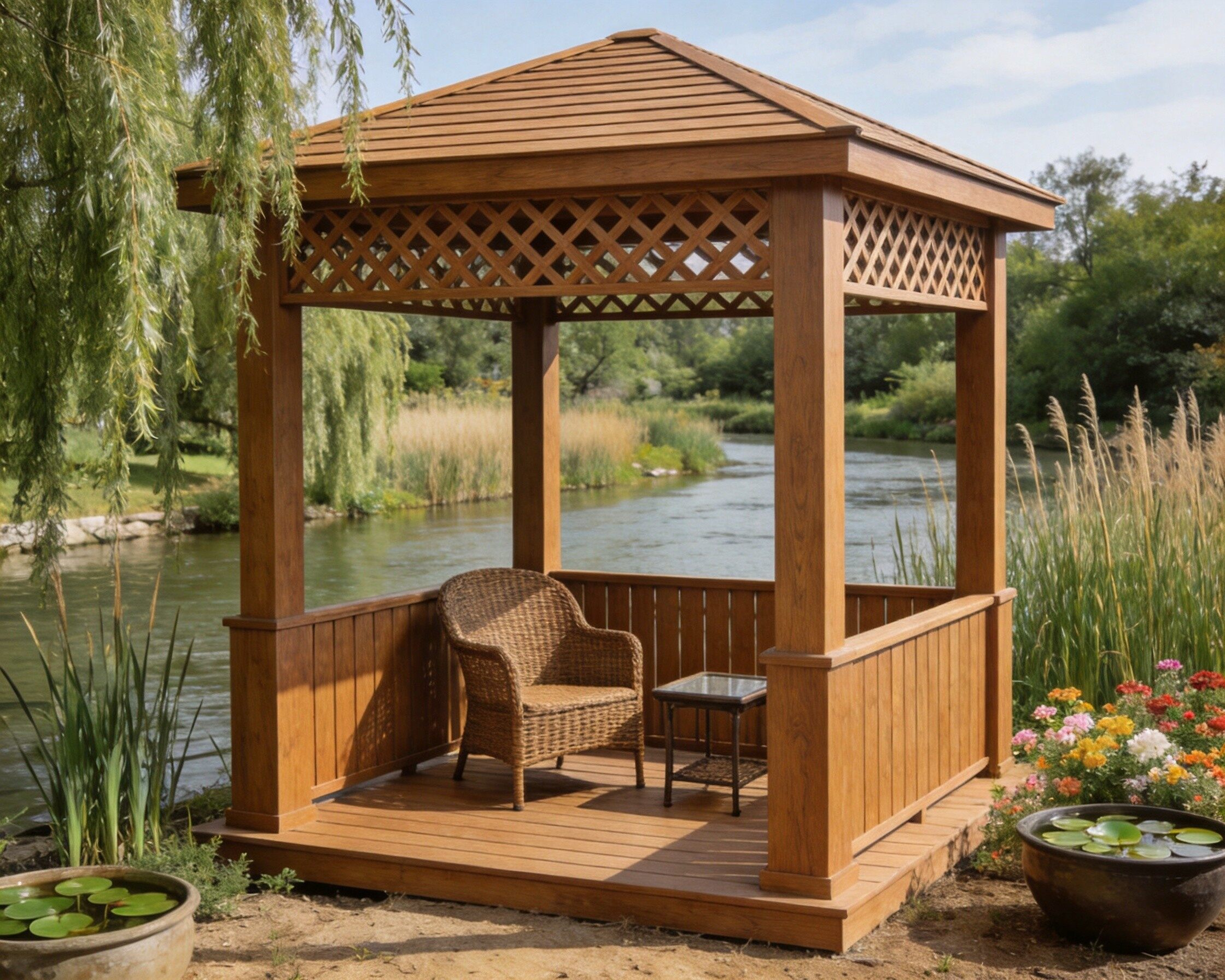
You're probably wondering if your new outdoor structure actually lives up to the low-maintenance hype, or if you're in for a weekend of endless scrubbing. We've broken down exactly what it takes to keep a WPC pergola looking brand new, from daily wipe-downs to dealing with stubborn seasonal stains.
The Reality of Low-Maintenance
Last month, a contractor called us in a panic. He’d just installed a beautiful composite structure for a high-end client, and three months later, there were weird dark streaks on the beams. Sound familiar? Here’s the thing: WPC (Wood Plastic Composite) is famously low-maintenance, but 'low-maintenance' doesn't mean 'zero-maintenance.' If you want that 25-year warranty to actually mean something, you need a game plan.
Let's be honest. People buy composite because they hate sanding and staining wood. But it isn't magic. It’s a mix of wood fibers and plastics. While our WPC pergola kits boast a UV Grade 4-5 rating and a B1 fire rating, environmental grit still happens. Roughly 70% of the issues we see aren't material failures; they're just dirt, pollen, and hard water buildup. Generally speaking, you'll spend about 2 to 3 hours a year on upkeep. Compare that to the 10-15 hours you'd spend sanding and sealing a traditional wood setup—and the roughly $3.50 per square foot you'd spend on sealants annually—and the value becomes obvious.
The Basic Cleaning Routine
You don't need to overthink this. Most of the time, a simple rinse every few weeks does the trick. Use a garden hose with a standard spray nozzle. If it's looking a bit dull, mix warm water with a few drops of mild dish soap. Grab a soft-bristle brush. Never use wire brushes; they will scratch the composite cap.
Scrub gently, then rinse thoroughly. It takes about 20 to 30 minutes for a standard 12x12 footprint. There's no one-size-fits-all schedule, but if you live in a dusty area or under heavy tree cover, bump that up to every two weeks.
Tackling the Stubborn Stuff
Here's where it gets tricky. What happens when someone spills red wine, or you get that black mold spot in a shady, damp corner? It depends on the stain.
Mold and Mildew
This is the one downside we see fairly often with any outdoor structure, especially under dense tree canopies. Mix a solution of half white vinegar and half water. Spray it on, let it sit for 10 minutes, and wipe. For tougher spots, a dedicated composite cleaner works wonders. Just avoid bleach-heavy products; they can dull the color over time.
Grease and Food Stains
Barbecue season is great until the grease hits the floor. A standard degreaser is your friend here. Apply it, let it break down the oils for 5 minutes, and scrub. If you're pairing your pergola with our WPC decking, the exact same rules apply to the floorboards.
Rust and Metal Stains
Sometimes the hardware can leave a faint rust trail if it's cheap quality or if you've left a metal planter sitting wet on the surface. A specialized rust remover for composites will lift it. Always test in an inconspicuous area first.
Seasonal Upkeep: What Changes
Spring is time to wake it up. Clear out the winter debris. Check the drainage around the posts. If water pools at the base, your posts might suffer, even if the composite itself is waterproof.
Summer is mostly just enjoying it. Maybe wipe down the beams if you're hosting a big BBQ.
Fall is crucial. Falling leaves contain tannins. If they sit wet on the surface, they can leave brown stains that are a nightmare to remove. Sweep them off weekly.
Winter brings snow and ice. Here's a pro tip: don't use metal shovels to clear snow off the roof or beams. Use a plastic shovel or a push broom. Skip the rock salt, too. It leaves a white, chalky residue. Calcium chloride is a safer bet if you absolutely must melt ice.
What NOT to Do (Common Mistakes)
Can you use a pressure washer? Technically, yes. But should you? Only on the lowest setting (under 1500 PSI) with a wide 40-degree nozzle. Keep it moving. Too much pressure will gouge the surface. Frankly, a garden hose and a brush is safer and gets the job done 90% of the time.
Another big mistake? Placing a hot grill directly on the composite beams or flooring without a heat mat. Even with a B1 fire rating, extreme localized heat can warp the plastic binders. Always use a thermal barrier.
Also, avoid using harsh solvents like acetone or paint thinners. They will literally melt the plastic binders in the composite. If you get paint on it, let it dry and gently scrape it with a plastic putty knife.
Extending the Lifespan
We usually recommend checking the structural hardware once a year. Composite doesn't warp like wood, but the metal brackets and screws can loosen with temperature swings. Tighten them up.
Ensure proper ventilation. If you're climbing vines or heavy ivy up the structure, trim them back. Trapped moisture accelerates mold growth. While our WPC wall panels and pergola beams have excellent UV resistance, placing a dark-colored structure in a spot with zero afternoon shade might cause slight thermal expansion. It's not a dealbreaker, but leaving a tiny gap (about 1/4 inch) between butt joints during installation gives it room to breathe.
Quick Answers to Common Questions
How do I fix a deep scratch? Minor scuffs buff out with a melamine sponge. Deep gouges? You can use a color-matched composite repair filler, but honestly, prevention is better. Put felt pads under any furniture you drag across the floor beneath the structure.
Will the color fade? All composites fade slightly in the first 8 to 12 weeks as the surface weathers. After that initial fade, the UV Grade 4-5 coating locks in the color. It won't turn gray like untreated wood.
Should I cover it in the winter? You might be wondering if a tarp is necessary. We generally advise against fully wrapping it in a plastic tarp. If moisture gets trapped underneath, it creates a greenhouse effect that promotes mold. If you must cover it, use a breathable, UV-stabilized fabric cover that allows air circulation.
At the end of the day, a composite pergola is an investment in your outdoor living space. It’s not perfect—nothing outdoors is—but with a little basic care, it’ll outlast a traditional wood structure by decades. Now, go grab that hose and give it a quick rinse.