
Why WPC Wall Panels Are Redefining Modern Interior Design
WPC wall panels are transforming how designers and homeowners approach interior cladding. Discover why this versatile material is becoming the go-to choice for feature walls, moisture-prone areas, and modern minimalist spaces.
The Wall Treatment Revolution
Walk into any design-forward home or boutique hotel today and you'll notice something: the walls are doing the talking. Feature walls have evolved from accent colors to full architectural statements — textured, layered, and material-rich. And increasingly, the material of choice is WPC wall panel cladding.
This isn't a coincidence. As homeowners and designers demand more from their interior surfaces — beauty that doesn't sacrifice durability, natural aesthetics without the maintenance, sustainability without compromise — WPC has emerged as the material that delivers on every front. Here's why architects and interior designers are calling it the future of wall design.
What Makes WPC Wall Panels Different
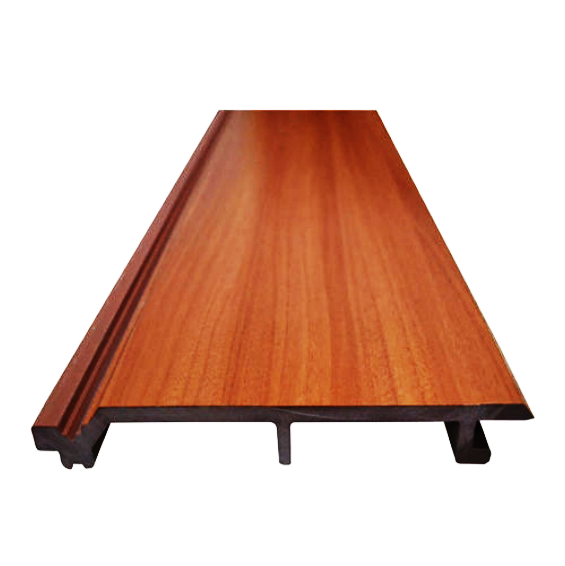
If you've only encountered WPC as outdoor decking material, you might be surprised by how far the technology has evolved for interior applications. WPC wall panels are engineered specifically for interior cladding, with profiles, finishes, and dimensions designed for walls rather than floors.
The core technology is the same wood-plastic composite that makes outdoor decking so durable — but refined for indoor precision. The result is a panel that looks and feels like natural wood or stone, installs in a fraction of the time, and performs in conditions where traditional materials struggle.
Waterproof core: Ideal for bathrooms, kitchens, basements, and laundry rooms where moisture destroys drywall and warps MDF
Zero VOC emissions: Unlike painted MDF or treated timber, WPC panels don't off-gas formaldehyde or volatile organic compounds
Direct-to-wall installation: Panels mount directly over existing walls with adhesive or a clip system — no demolition required
Consistent quality: Every panel matches perfectly. No grain mismatches, no color variation between batches
5 Interior Design Trends Powered by WPC Wall Panels
1. The Biophilic Bathroom
The biophilic design movement — bringing nature indoors — has found its perfect material partner. WPC wall panels in warm wood tones create spa-like bathroom environments without the moisture damage that real wood inevitably suffers. Imagine stepping into a shower surround clad in rich walnut-toned panels that will look identical in ten years.
This is where WPC's waterproof nature becomes a design superpower. Designers no longer need to choose between the warmth of wood and the practicality of tile. The material does both.
2. The Textured Feature Wall
Feature walls have moved beyond paint colors and wallpaper. Today's statement walls are about texture and dimension. WPC panels come in slatted, fluted, 3D-textured, and geometric profiles that create shadow play and visual depth that flat surfaces simply cannot achieve.
A fluted WPC panel wall behind a media console or headboard adds instant architectural interest. The vertical lines draw the eye upward, making ceilings feel higher and spaces more grand. Install it with concealed LED backlighting, and the effect becomes genuinely dramatic.
3. The Seamless Indoor-Outdoor Flow
Modern design increasingly blurs the boundary between interior and exterior spaces. Using WPC decking on the patio and matching WPC wall panels on the adjacent interior wall creates a continuous material story that visually expands the space.
This approach works particularly well for homes with large sliding doors or bi-fold windows, where the interior living area and the outdoor deck are essentially one continuous space. The material consistency reinforces that connection.
4. The Commercial Minimalist
Restaurants, cafés, co-working spaces, and boutique retail stores are embracing WPC wall panels for their clean, modern aesthetic combined with commercial-grade durability. In high-traffic environments where walls get bumped, scuffed, and occasionally wet, WPC outperforms painted drywall, wallpaper, and even natural wood veneer.
The installation speed is a major factor for commercial renovations. WPC panels can transform a space overnight — literally. There's no plastering, no drying time, no painting. The business reopens the next morning with completely refreshed walls.
5. The Sustainable Luxury
Sustainability isn't a compromise anymore — it's a design value. WPC panels are manufactured from recycled wood fiber and recycled plastics, diverting waste from landfills while creating a product that looks and performs like premium natural materials.
For homeowners who care about their environmental footprint, choosing WPC interior cladding is a way to build a beautiful home without the guilt. It's luxury that aligns with values.
Design Possibilities: Colors, Textures & Patterns
The range of WPC wall panel aesthetics available today would surprise anyone who remembers early-generation composite materials. Modern options include:
Wood grain finishes: Oak, walnut, teak, ash, and weathered wood effects with deep embossed texture
Stone & concrete looks: Marble, slate, and polished concrete effects for industrial or minimalist schemes
Solid matte tones: Charcoal, white, sage green, terracotta — colors that reflect contemporary palettes
Profile variety: Flat panels, slatted boards, fluted columns, 3D geometric patterns, and shiplap
Mixed material pairings: WPC panels combined with metal trim, stone accents, or integrated shelving systems
The design flexibility means WPC panels work across virtually every interior style — from Scandinavian minimalism to Japandi warmth, from industrial loft to coastal relaxed.
Installation: The Weekend Project That Transforms a Room
One of the most compelling aspects of WPC wall panels is how accessible the installation is. Unlike tile (which requires a professional), natural wood cladding (which demands carpentry skills), or decorative plaster (which is an art form), WPC panels are a realistic DIY project.
The typical installation process involves:
Measuring and planning the panel layout
Preparing the wall surface (clean, dry, and relatively flat)
Cutting panels to size with a standard saw
Applying construction adhesive or mounting with the clip system
Adding trim pieces for a finished edge
Most standard-sized rooms can be completed in a weekend. The satisfaction of transforming a space with your own hands — without the mess and stress of traditional renovation — is a genuine part of the WPC wall panel appeal.
For floors that complement your new walls, explore Aorai Tech's WPC indoor flooring collection — designed to coordinate perfectly with the wall panel range for a whole-home design solution.
The Material That's Changing How We Think About Walls
WPC wall panels aren't just a product — they represent a shift in how we approach interior design. A shift toward materials that are honest about what they are, that perform without pretense, and that make beautiful design accessible to anyone renovating a space.
As more homeowners discover what architects and designers already know — that WPC offers an unmatched combination of aesthetics, performance, and sustainability — these panels are moving from trend to standard. The question isn't whether WPC wall panels are the future of interior cladding. The question is how soon your walls will join the conversation.
Explore the full WPC wall panel collection at Aorai Tech and start imagining what your walls could say.