
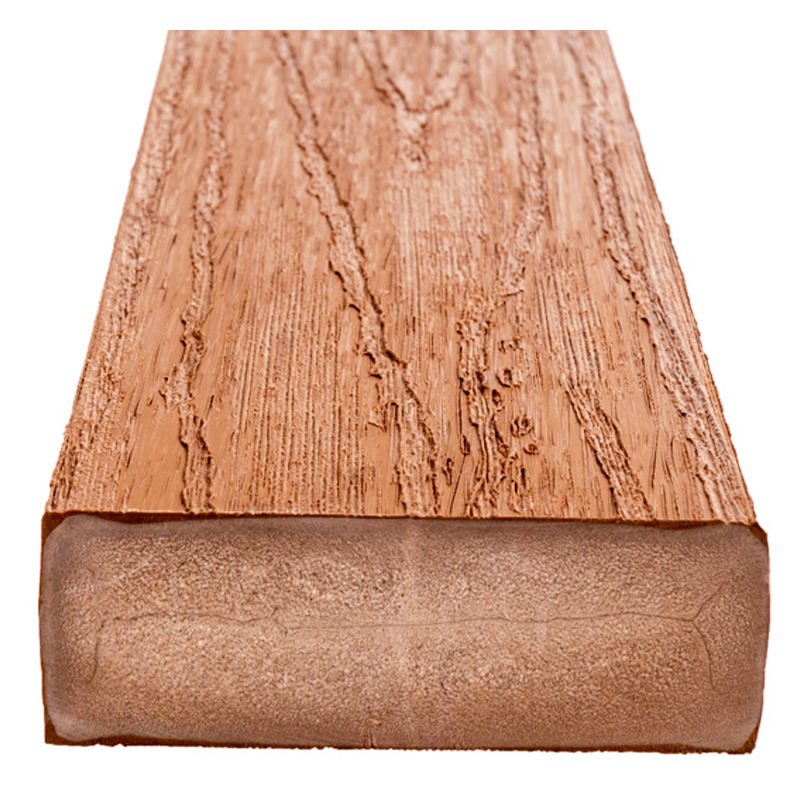
Waterproof Durable WPC Fence | Pool Area Fence Safe Perimeter
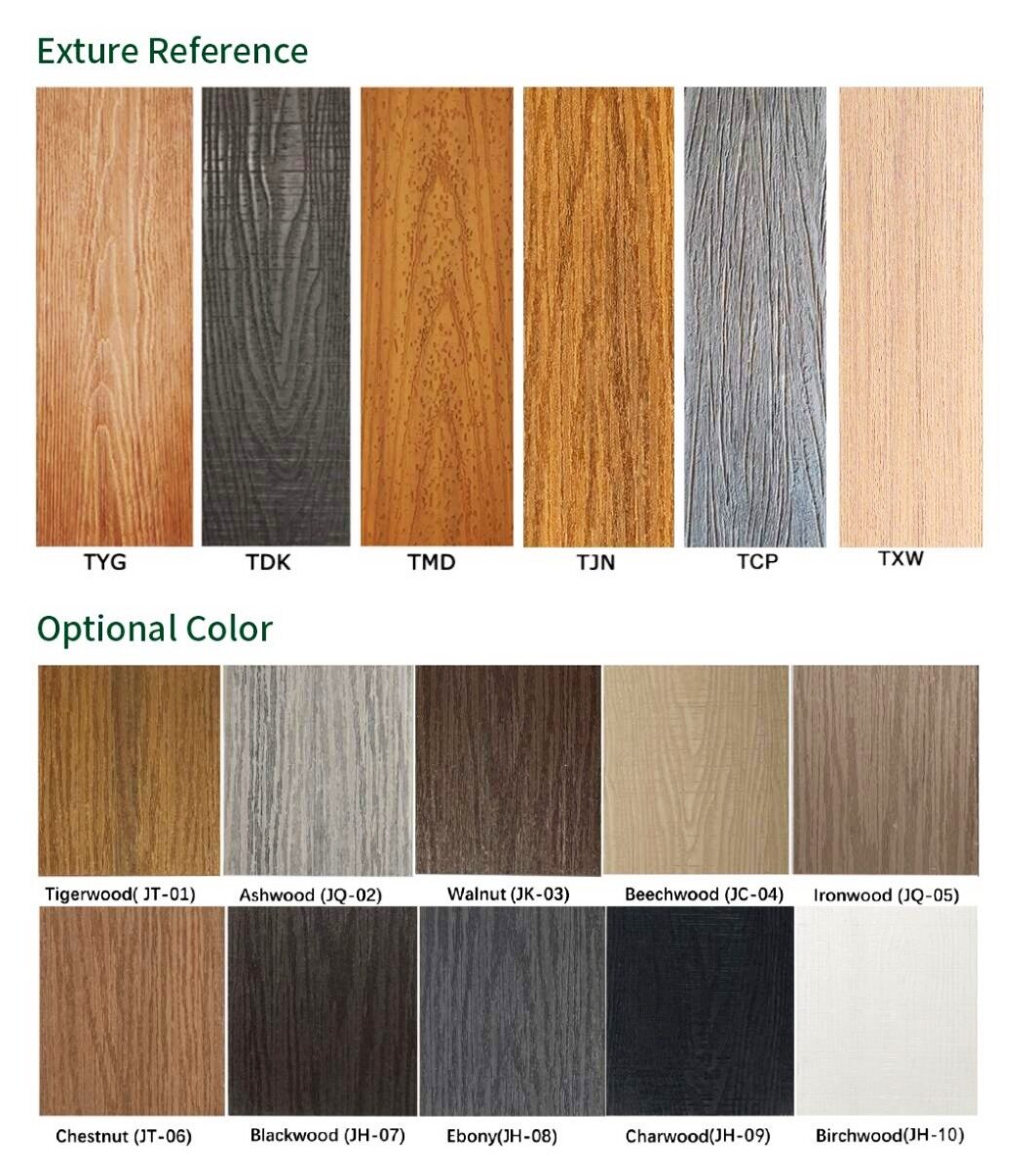
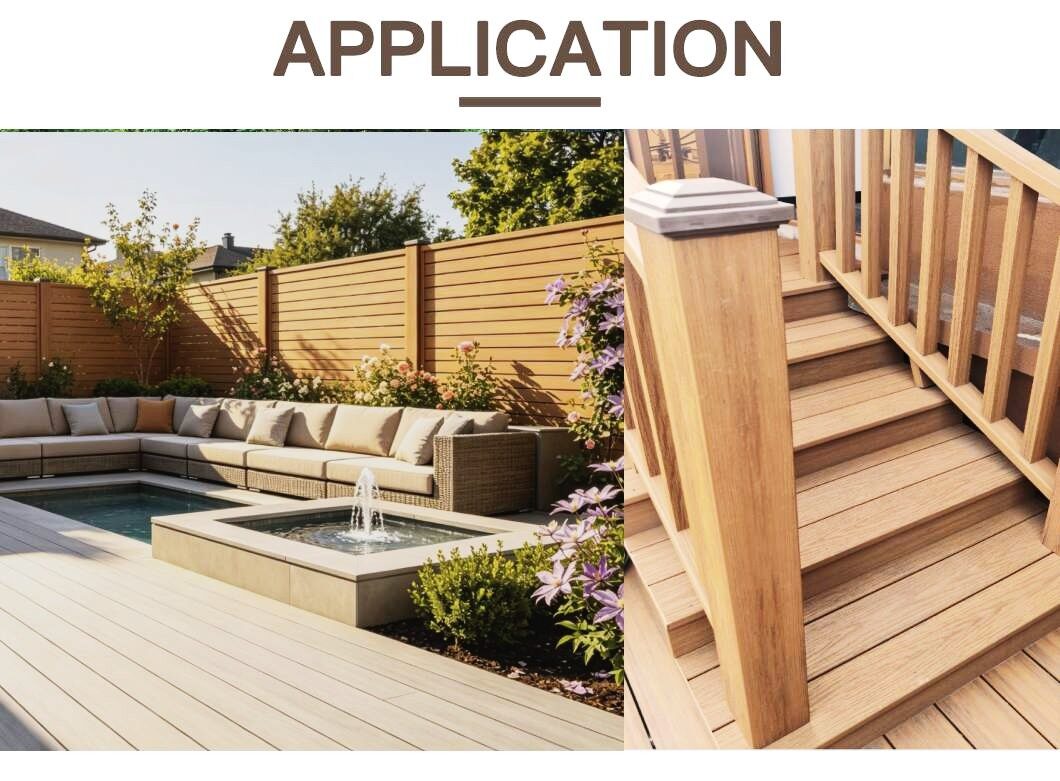
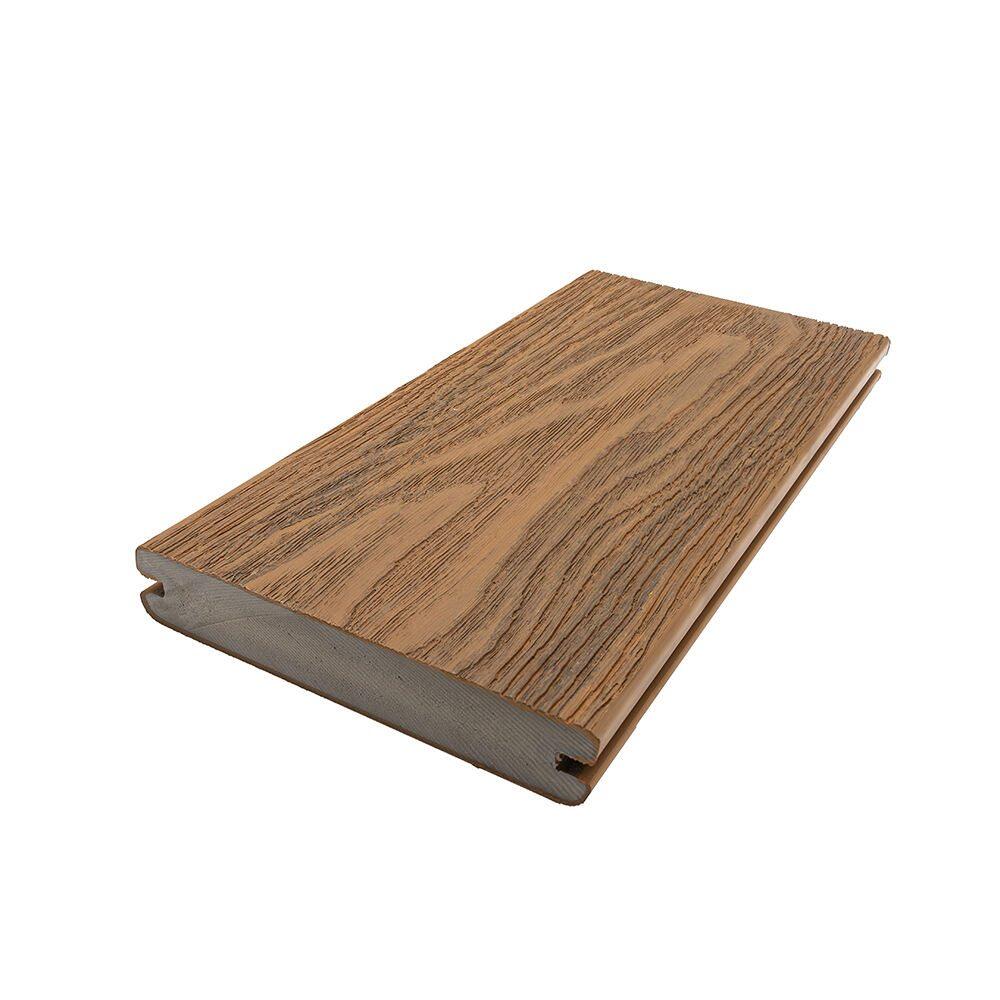
Material: ASA co-extruded WPC composite; Spec: 150×20mm; Surface: 3D embossed wood grain; Feature: 100% waterproof, UV-resistant, chlorine-safe; Scenario: pool area fence; Benefit: Safe, durable, and low-maintenance perimeter enclosure for residential and commercial pools
MOQ: 100 sqm
Key Features
- Waterproof & Moisture-proof
- Anti-corrosion & Anti-termite
- UV Resistant & Fade Resistant
- Low Maintenance & Easy Clean
- Eco-friendly & Recyclable
- Long Service Life
Product Details
Here’s what nobody tells you about enclosing a swimming pool: the fence takes way more abuse than the deck. Think about it. It’s constantly blasted by chlorinated splash-out, baked by reflected UV off the water, and subjected to 100% humidity half the year. We’ve seen contractors install standard wood or basic composite fencing around pools, only to get warranty claims two years later because the boards warped or the color faded to a chalky white.
That’s exactly why we engineered this specific ASA co-extruded WPC fence for pool area fence applications. It’s not just about looking good on day one. It’s about surviving the brutal microclimate of a backyard pool without turning into a maintenance nightmare.
Why This WPC Fence Is Perfect for Pool Area Fence
Let’s be honest, building a safe pool perimeter is non-negotiable. But choosing the right material? That’s where things get tricky. Vinyl gets brittle. Aluminum dents and feels cheap. Wood rots from the inside out due to constant moisture.
From what we’ve installed, this WPC fencing hits the sweet spot. The outer shell is made of ASA polymer—the same stuff used in automotive exteriors. It completely blocks water penetration and laughs at chlorine. You could practically submerge the bottom rail in pool water, and it wouldn’t swell. That 0.5% water absorption rate isn't just a marketing number; it means the structural integrity stays locked in, keeping your safe pool perimeter actually safe and rigid.
Key Features for Pool Area Fence
100% Waterproof Core: Unlike capped composites that can trap moisture if the cap gets scratched, our full ASA extrusion means water literally cannot get in. No swelling, no delaminating.
Chlorine & Salt Resistant: Pool chemicals are harsh. Standard paints and stains peel. This material is chemically inert to the splashing you get from a pool area fence.
UV-Stabilized Color Lock: Reflected UV from pool water is intense. We use Grade 4-5 UV inhibitors. It won’t fade to that ugly chalky gray.
High-Impact Strength: It handles stray pool toys, stray basketballs, and the occasional lean from a heavy adult without cracking.
B1 Fire Rating: Important for commercial pool complexes or residential setups near outdoor kitchens and fire pits.
The Real Cost and Lifespan
Look, I’ll shoot straight with you. This isn’t the cheapest fencing on the market. Roughly speaking, it’s about 15-20% more expensive upfront compared to standard pressure-treated pine, and maybe on par with high-end vinyl.
But here’s the catch with cheap wood: the maintenance. Sealing a wood pool area fence every 18 months costs time and money. Over a decade, that adds up fast. With this WPC, you’re looking at a 25-year warranty, but realistically, in harsh, highly chlorinated climates, we expect a 15 to 20-year flawless lifespan before any aesthetic degradation. You just hose it off. That’s it. Most of our commercial clients calculate the break-even point at year four.
Installation Tips for Pool Area Fence Projects
Installing a pool area fence isn't exactly like putting up a standard backyard boundary line. The ground around pools is often heavily landscaped, sometimes sloped, and occasionally has poor drainage.
Here’s what we usually recommend to contractors:
First, mind the drainage. Don’t let the bottom rail sit in a puddle. While the board is waterproof, standing water breeds algae on the surface, which looks terrible. Leave a 1-to-2-inch gap at the bottom, or use our aluminum channel base.
Second, post spacing. Because this is a heavier, denser material (1.35 g/cm³), it’s not perfect for wide spans if you’re in a high-wind zone. Stick to 6-foot on-center post spacing for privacy styles, and 8-foot for semi-private. And please, use concrete footings. We’ve seen guys try to use just gravel around the posts near a pool, and the shifting soil from pool backwash ruins the alignment in a season.


FAQs About Pool Area Fence WPC
Will the chlorine from the pool water bleach the color?
Generally speaking, no. The ASA co-extrusion layer is highly resistant to chemical bleaching. We’ve done accelerated testing with 10% chlorine solutions, and the color shift was less than 2 Delta E. Just rinse it with fresh water occasionally.
Can I rack the panels on a slope?
Yes, but there’s a limit. Because of the rigid profile, you can step-rack it up to about 12 degrees. Beyond that, you’ll need to custom cut the bottoms of the panels to follow the grade. It depends on your specific terrain, though there are exceptions for custom orders.
Is it slippery when wet?
This is a fence, not a deck, so you aren't walking on it. But if you're asking about the surface texture getting slick and looking bad when wet—the 3D embossed grain actually sheds water well. It dries fast and doesn't get that slimy algae buildup that smooth vinyl gets.
How does it hold up against pool equipment?
Pretty well. If a pool cleaner bumps into it, it’ll bounce off. It’s not immune to deep scratches from sharp metal edges, but for standard pool maintenance gear, it holds up fine. Sound too good to be true? It’s just dense composite. It takes a beating.
Building a safe pool perimeter is about more than just checking a box for local building codes. It’s about creating a seamless, beautiful backdrop for the pool itself. When you spec this WPC fencing, you’re giving your clients a space that looks premium today and still looks premium a decade from now, without them having to lift a finger.
Frequently Asked Questions
Related Products
PU Capped WPC Decking | High-Traffic Commercial Outdoor Terrace Flooring
$40.6 - $91.5 per sqm
View Details
Ready to Start Your Project?
Contact us today for a competitive quote and professional consultation
Contact Us Now