
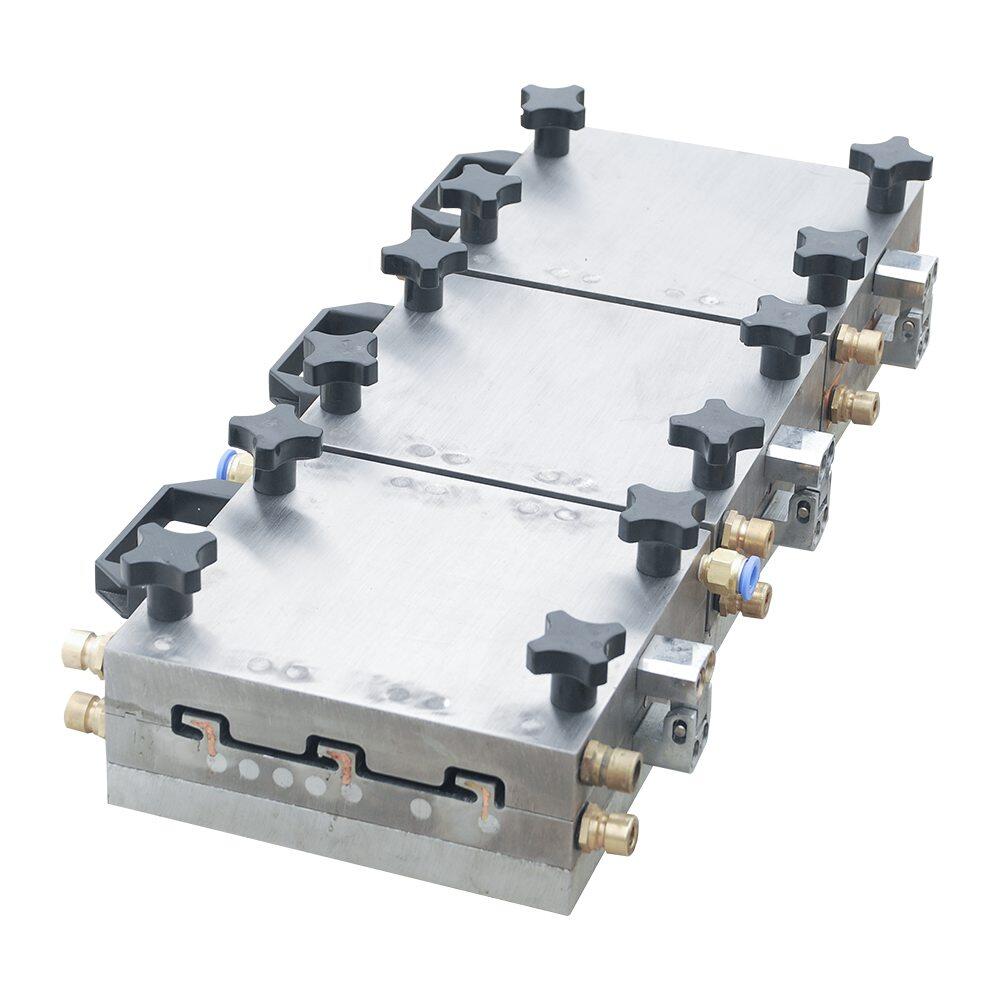
Precision Cavity Extrusion Die | Hollow Decking Profile Consistent Board Quality
Material: High-grade H13 tool steel; Spec: Custom hollow profile dimensions; Surface: Mirror polished with hard chrome; Feature: Precision cavity design with optimized flow; Scenario: Hollow decking profile extrusion; Benefit: Consistent board quality, reduced scrap rates, and extended die lifespan
MOQ: 1 sqm
Key Features
- Waterproof & Moisture-proof
- Anti-corrosion & Anti-termite
- UV Resistant & Fade Resistant
- Low Maintenance & Easy Clean
- Eco-friendly & Recyclable
- Long Service Life
Product Details
Last month, a WPC manufacturer called us in a panic. Their new hollow decking line was producing boards with uneven wall thickness. About 30% of the output was getting scrapped. The catch? They were using a cheap, off-the-shelf die.
Look, making hollow decking profiles isn't exactly rocket science, but it's definitely not easy either. The internal cavities mess with cooling rates, and if the melt flow isn't perfectly balanced, you get warping. That's where our precision cavity extrusion die comes in.
Why This Extrusion Die Changes the Game for Hollow Decking
Here's the thing about hollow profiles. The outer walls cool faster than the inner ribs. It's just basic thermodynamics. Most standard dies don't account for this differential cooling. They just push the melt out and hope for the best.
We designed this specific die for hollow decking profiles with a completely different philosophy. We optimized the flow channels to ensure the material fills the cavity evenly. No dead zones. No weld lines showing up on the surface where they shouldn't.
Frankly, it takes a bit more engineering time upfront. But the payoff? You get consistent board quality right from the first pull. And we mean right from the first pull. Not after you waste three hours tweaking the vacuum calibration tank.
What Actually Goes Into This Die
We don't just cut metal and call it a day. Here is what makes this tool tick:
H13 Tool Steel Core: We use premium H13 steel for the main body. It handles the thermal shock of continuous extrusion without cracking. Generally speaking, it lasts about 30% longer than standard 4Cr13 dies.
Precision Cavity Machining: The internal cavities are machined to a 0.05mm tolerance. This ensures your hollow decking boards have uniform wall thickness, usually within a 0.2mm variance.
Optimized Melt Flow: We run CFD (Computational Fluid Dynamics) simulations before cutting a single piece of steel. This eliminates stagnant areas where PVC could degrade and turn black.
Mirror Polish & Hard Chrome: The flow channels get a mirror polish, followed by a hard chrome plating. It reduces friction and makes cleaning up after a shutdown way less painful.
Let's Be Honest About the Limitations
We get it. You want a magic bullet. But there's no one-size-fits-all solution in extrusion.
Here is the reality check: this die will not fix a bad PVC or WPC compound. If your raw material has poor melt strength or inconsistent particle sizes, the board will still sag. The die only controls the shape and flow. It can't change the chemistry of your mix.
And don't blame the die if your extruder screw is worn out. A worn screw creates pressure surges. Those surges will push uneven amounts of melt into the die, causing thickness variations no matter how perfect the flow channels are.
Also, it's not the cheapest die on the market. It's roughly 15-20% more expensive upfront compared to basic flat dies. But when you factor in the reduced scrap rate—usually dropping from 10% down to under 2%—it pays for itself in about three months. Most of the time, anyway. There are exceptions if your line speed is incredibly slow.
Setup Tips for Your Extrusion Line
Getting the best out of this die requires a bit of finesse. From what we've seen across 50+ countries, the operators who do the following usually get the best results:
First, nail your temperature profile. The adapter and die body should be about 5-10°C lower than the extruder barrel. This keeps the melt viscosity high enough to hold the hollow shape without blowing out.
Second, don't rush the vacuum calibration. Hollow decking needs strong, consistent vacuum pressure in the first calibration tank. If the vacuum drops, the outer walls will pull away from the sizing sleeve.
Third, watch your cooling water temperature. Keep it between 15°C and 18°C. If it's too cold, the outer skin freezes too fast and traps stress inside the hollow cavity. Too warm, and the board loses its shape in the calibration tank.
Finally, keep the die clean. Even with hard chrome plating, PVC can build up on the lips over time. A quick wipe with a brass scraper every shift keeps the surface finish perfect.
Common Questions We Get on the Factory Floor
How long does it take to get the die?
Usually about 30 to 40 days. Custom flow channel design and the heat treatment process just can't be rushed. If you try to speed it up, the steel won't stabilize.
Can you modify an existing die for hollow decking?
Sometimes. It depends on the original design. If the core was too thin or the flow channels weren't balanced, welding and re-machining usually costs more than just building a new one. We usually recommend starting fresh for hollow profiles.
What's the lifespan of this die?
With proper maintenance, you're looking at 500,000 to 800,000 extrusion cycles. We've had clients in Southeast Asia running our dies for over two years on a 24/7 shift without major re-polishing.
Do you provide the calibration tank design too?
We can. The die and the calibration tank need to work together. If you buy the die from us, we'll coordinate the vacuum box dimensions to match the exact swelling ratio of your specific compound.
That's really all there is to it. Good tooling makes the operator's life easier, and it keeps your clients happy when the decking doesn't warp six months after installation.
Frequently Asked Questions
Related Products

Low Maintenance PVC Decking | Backyard Patio All-Season Outdoor Living
$6.50 - $18.00 per sqm
View Details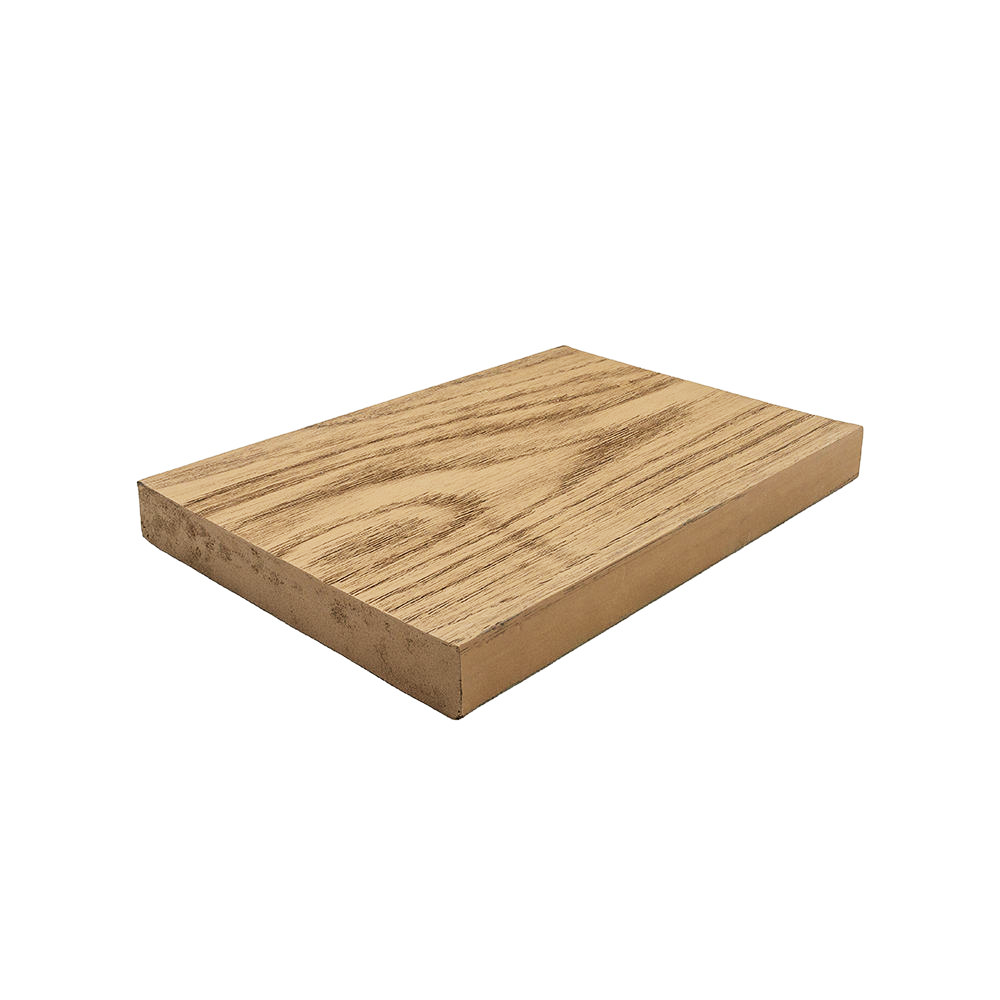
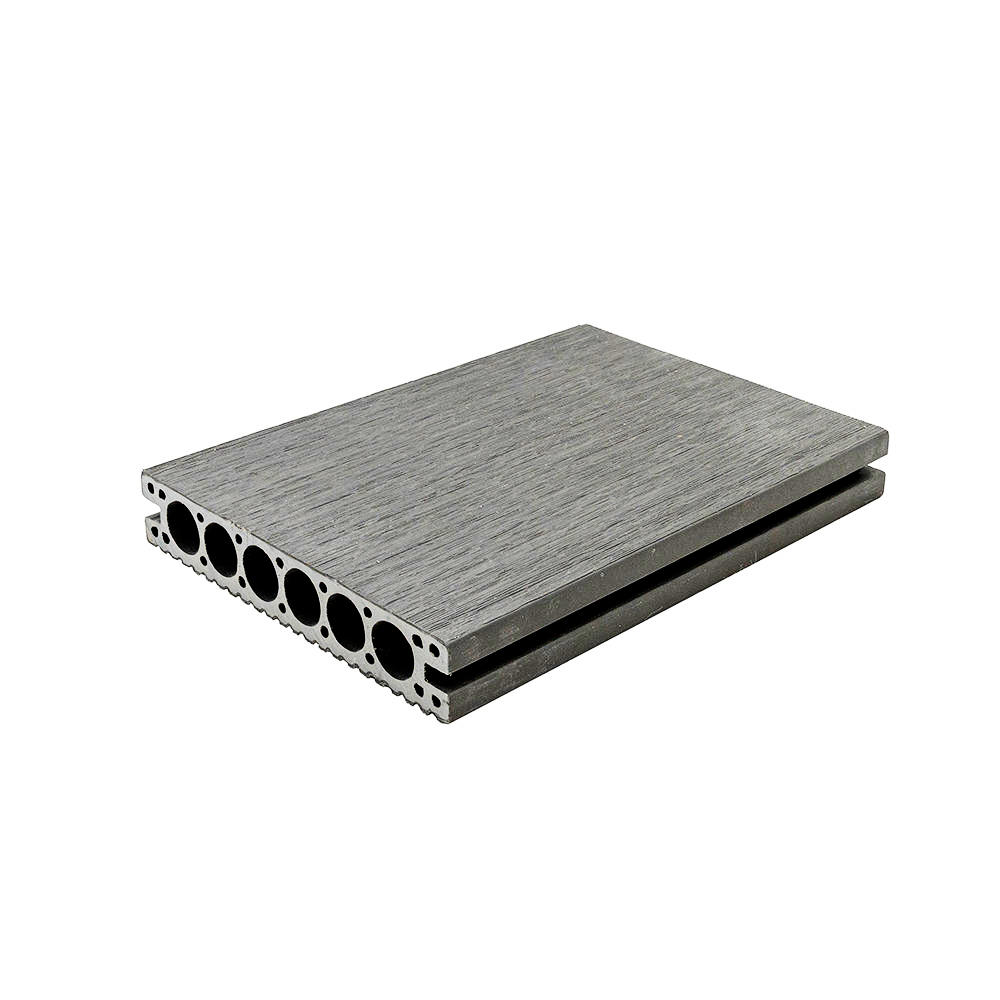
UV Resistant Fade-Proof PVC Decking | Resort Poolside Luxury Flooring
$3.78 - $19.9 per sqm
View DetailsReady to Start Your Project?
Contact us today for a competitive quote and professional consultation
Contact Us Now