
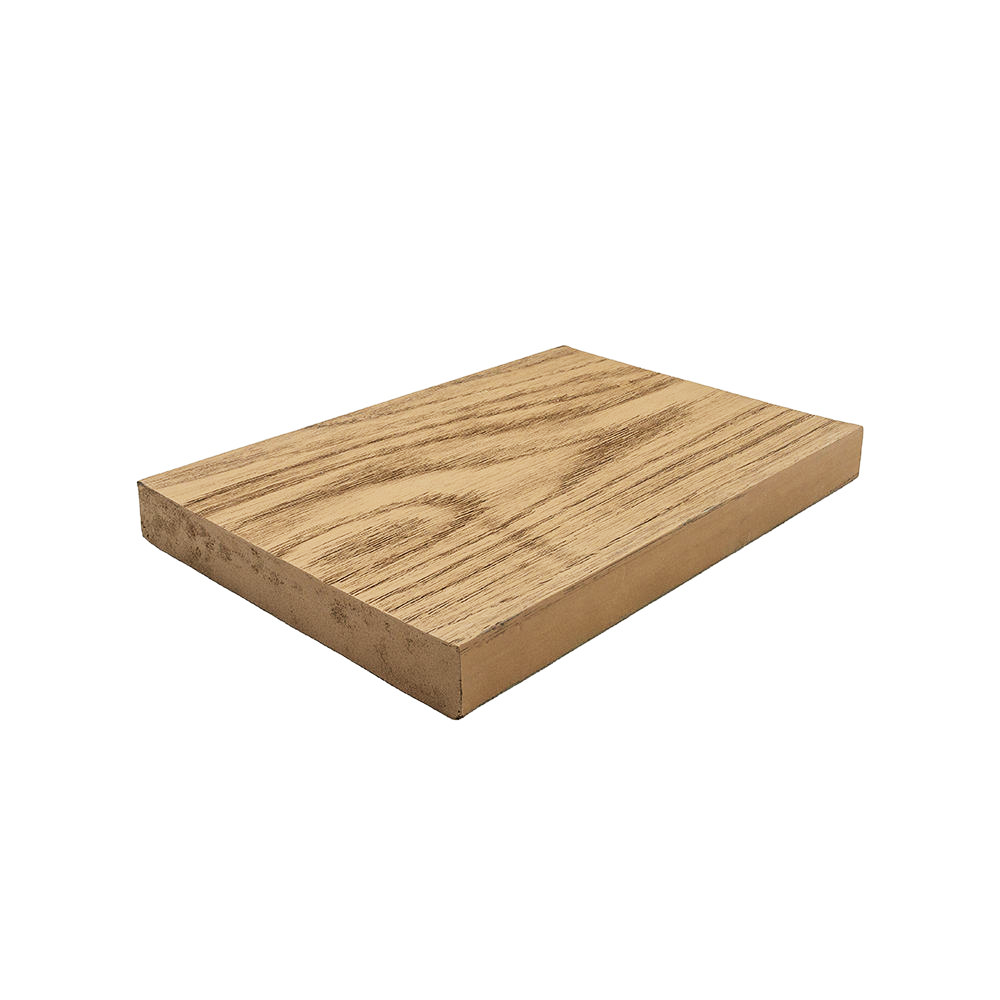
Barefoot-Safe Chlorine-Resistant PVC Decking | Poolside Slip-Proof Wet Area Surfacing
Material: 100% solid PVC composite with ASA cap; Spec: 150×25mm; Surface: 3D embossed deep grain; Feature: Zero water absorption, R11 slip rating, chlorine & salt resistant; Scenario: pool surround; Benefit: Barefoot-friendly, highly durable PVC decking for resort and residential pool decks
Key Features
- Waterproof & Moisture-proof
- Anti-corrosion & Anti-termite
- UV Resistant & Fade Resistant
- Low Maintenance & Easy Clean
- Eco-friendly & Recyclable
- Long Service Life
Product Details
Last Tuesday, a contractor named Mike called us. He was halfway through a commercial pool renovation and absolutely furious. His previous supplier sent "waterproof" composite boards that were already swelling at the seams and turning slick with algae. Sound familiar? It happens more often than you'd think.
Pool surrounds are brutal on building materials. You're dealing with constant UV exposure, splashing chlorinated water, and the very real liability of bare feet slipping on wet surfaces. For commercial operators, a slip-and-fall lawsuit costs way more than the decking itself. Most standard wood-plastic composites just can't handle the chemical load. They fade, they get dangerous when wet, and they warp. That's exactly why we shifted our primary pool deck line to solid PVC. We've exported this exact profile to over 50 countries, and the feedback from harsh, wet climates is incredibly consistent.
The Real Problem with Poolside Flooring
Let's be honest about what happens around a pool. It's not just about water. It's about the chemicals. Pool water is basically a mild bleach solution. When you combine that with high foot traffic and direct sunlight, inferior materials break down fast. We've seen WPC boards turn chalky and lose their grip within two seasons in a resort setting.
Then there's the heat. Dark decking around a pool in July? Ouch. Barefoot comfort isn't just a luxury; it's a necessity. If the surface burns the soles of your feet, people won't walk on it. They'll stick to the concrete coping, which defeats the whole purpose of upgrading the deck.
Why Our PVC Boards Actually Work Around Water
We aren't just throwing buzzwords around. Here is what actually makes this specific solid PVC board work for wet areas, based on what we've seen in real-world installations.
Zero Water Absorption: It's solid PVC. There is no wood flour inside to soak up moisture. Zero. We've tested it submerged in a tank for 30 days; the weight gain is less than 0.1%. It simply will not swell, rot, or delaminate.
Chemical & Salt Resistance: The ASA co-extruded cap layer laughs at chlorine, bromine, and salt. While standard composites degrade from chemical splash, our PVC maintains its structural integrity and color.
R11 Slip Rating: The 3D deep embossing isn't just for looks. It actively channels water away from the foot's contact point. Even when it's pouring rain or the deck is freshly hosed down, shoes—and bare feet—grip it.
Thermal Deflection: Dark colors around pools get hot. We use a specialized pigment mix in the cap that reflects about 20% more heat than standard boards. It won't burn your feet at 2 PM. (Okay, maybe it's still a bit warm if it's 100 degrees out, but it's noticeably cooler than traditional dark composites).
Low Maintenance Reality: You still need to sweep off the leaves. But you're never sealing, staining, or power washing it every spring. A quick hose-down is usually all it takes.
Installation Quirks You Need to Know
Look, installing pool decking isn't exactly like building a dry backyard patio. There are a few quirks. Here's what we usually tell our installers to save them from costly callbacks.
First, leave a 3/16" gap between boards. People always want to butt them tight for a seamless look. Don't. Water needs somewhere to go, and thermal expansion is real. Second, use stainless steel or polymer clips. Standard zinc-plated screws will rust out in a pool environment within two seasons. It's a $5 difference in hardware that saves a $5,000 callback.
Third, frame it with PVC or aluminum. Pressure-treated wood under a PVC pool deck is just asking for rot. And when cutting around pool drains or curved edges, use a fine-tooth blade. Standard wood blades will melt the PVC and leave ugly burrs that ruin the slip resistance.
Quick Answers from the Job Site
Q: How long does a 300 sq ft pool deck take to install?
A: For a two-person crew, about 2 to 2.5 days. That includes framing if it's already prepped and pitched correctly. If you're ripping out old tile, add another day for demo and prep.
Q: Will the color fade from the pool chemicals?
A: The ASA cap layer has a UV Grade 4-5 rating. Frankly, the chlorine splash won't fade it. The sun might lighten it by about 5-10% over 10 years, but it won't turn chalky or peel.
Q: Is it really barefoot safe in the summer?
A: Yes, but with a caveat. Lighter colors (like teak or light grey) stay much cooler than dark walnut. If you absolutely want dark colors, we recommend adding a shade structure or pergola over the main lounging area.
Q: How do we clean algae off it if it gets shaded?
A: Usually, just a hose down. If it gets bad, a mix of warm water and mild dish soap with a soft bristle brush does the trick. Avoid pressure washers over 1500 PSI; you'll blast the embossing right off and ruin the slip rating.
Q: What's the actual lifespan in a commercial setting?
A: We give a 25-year structural warranty. Realistically, in a harsh commercial pool setting with heavy foot traffic and daily chemical exposure, expect 15-20 years before it starts looking "tired". For residential pools, it'll easily go the full 25+ years without breaking a sweat.
Frequently Asked Questions
Related Products
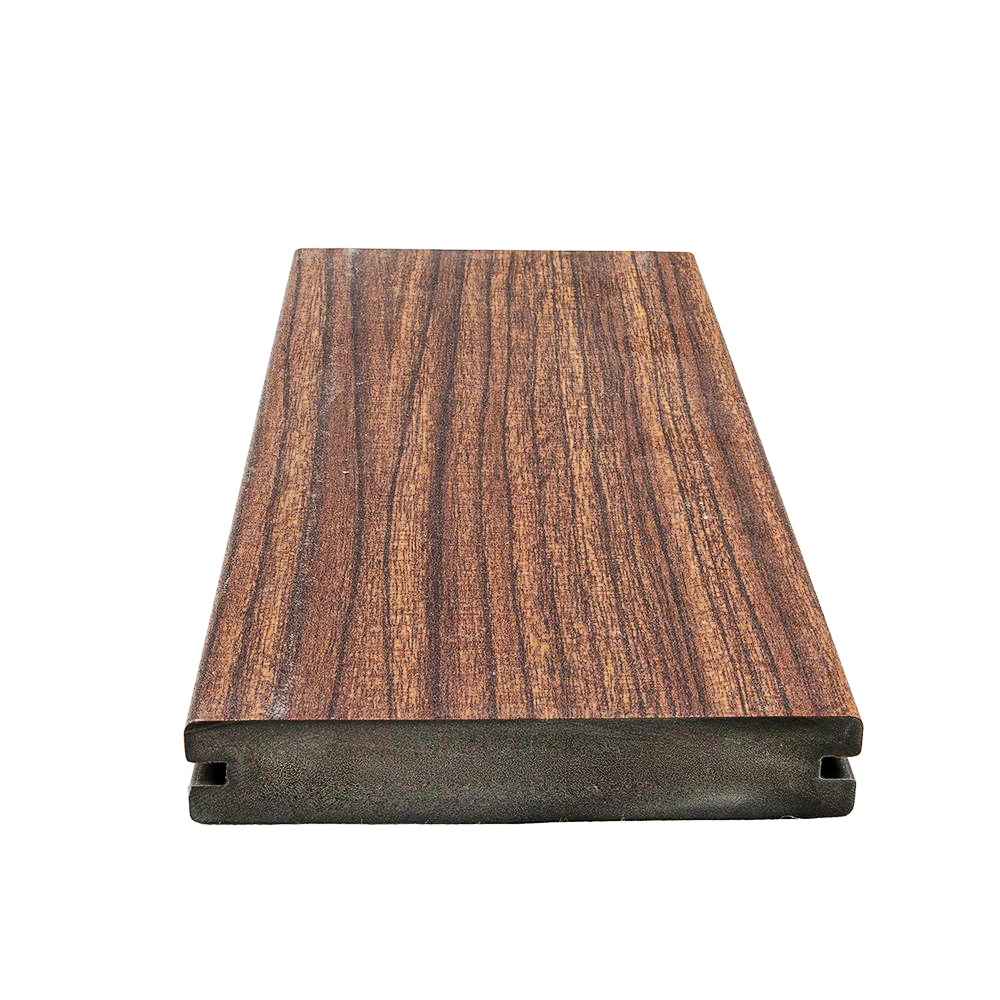
UV Resistant Fade-Proof PVC Decking | Resort Poolside Luxury Flooring
$3.78 - $19.9 per sqm
View Details
All-Weather Mud-Free PVC Decking | Garden Walkway Zero-Maintenance Path
$5.78 - $19.9 per sqm
View Details
Ready to Start Your Project?
Contact us today for a competitive quote and professional consultation
Contact Us Now