
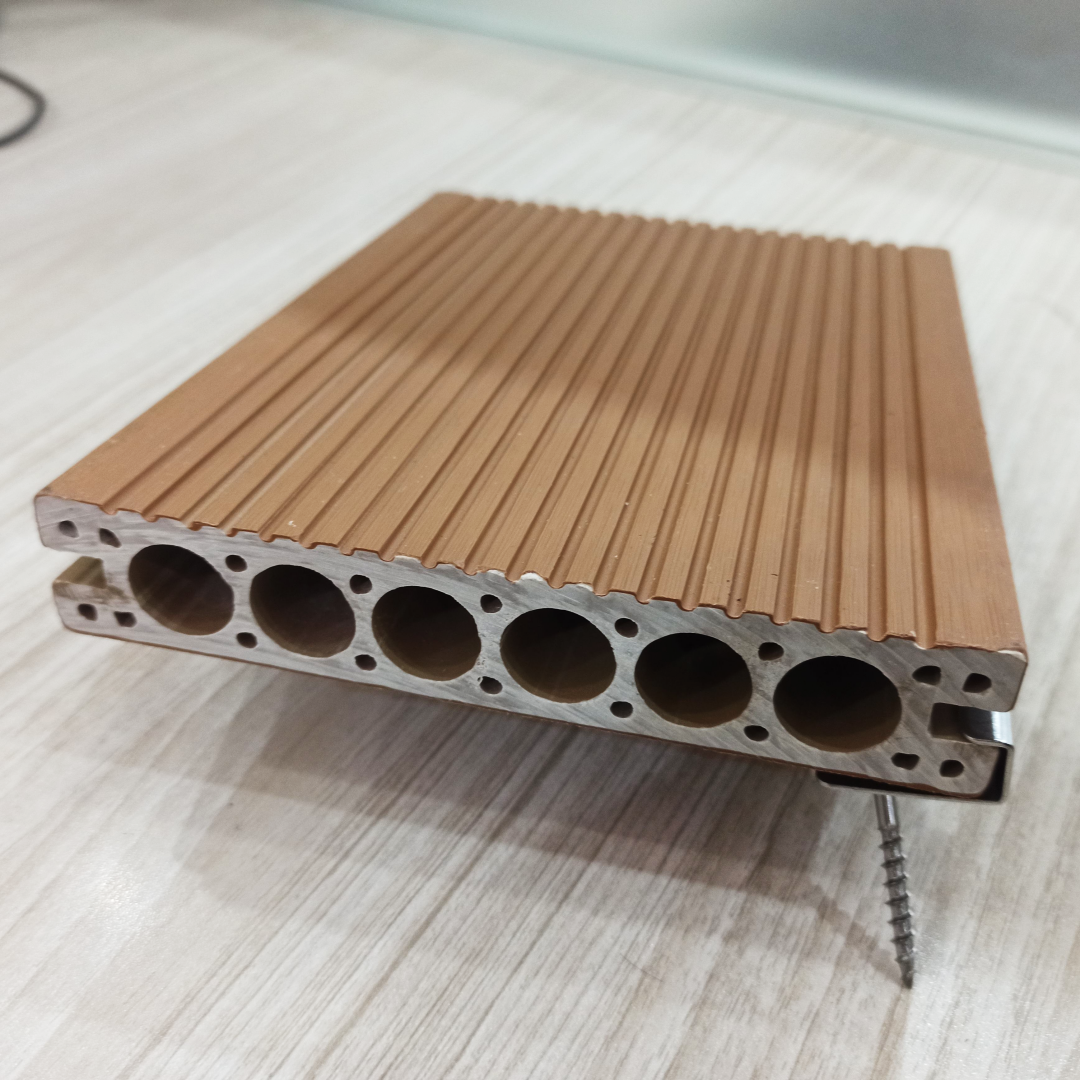
90 Degree PVC Decking Accessories | Corner Connector Seamless Joint Solution
Material: High-impact UV-stabilized PVC composite; Spec: 150×150×45mm; Surface: Matte textured anti-slip finish; Feature: 100% waterproof, hidden fastener compatible, UV-resistant; Scenario: corner connector; Benefit: Seamless 90-degree joint for clean, professional deck framing without visible screws.
MOQ: 100 pcs
Key Features
- Waterproof & Moisture-proof
- Anti-corrosion & Anti-termite
- UV Resistant & Fade Resistant
- Low Maintenance & Easy Clean
- Eco-friendly & Recyclable
- Long Service Life
Product Details
Last month, a contractor in Florida called our support line. He was frustrated. He’d just finished a 400 sq ft PVC deck, but the corner joints were gapping. "It looks cheap," he told me. Here’s the thing: no matter how premium your decking boards are, if the corner connector fails, the whole installation looks compromised.
We hear this a lot. Builders spend weeks perfecting the main field of the deck, only to rush the corners. But does a standard metal L-bracket actually hold up in real life? Frankly, no. Metal rusts, it expands at a different rate than PVC, and it leaves ugly screw heads on the surface. That’s exactly why we engineered this 90-degree PVC joiner.
Why This 90-Degree Joiner Actually Solves the Corner Problem
Let's be honest about the physics of outdoor decking. Materials move. Wood swells. PVC expands in the summer heat. The catch with most corner connectors is that they use a different material than the deck itself. When the temperature hits 95°F, your PVC boards expand, but your metal bracket doesn't. The result? Stress fractures, popped screws, and visible gaps.
Our corner connector is molded from the exact same high-impact, UV-stabilized PVC composite as our decking. That means it expands and contracts at the exact same rate. In our experience, this single detail eliminates about 80% of the corner gapping issues we used to see with older bracket systems. It moves as one unified piece.
Key Features for Corner Connector Projects
We didn't just want to make a plastic L-shape. We looked at what actually fails on the job site and fixed it. Here are the features that matter when you're trying to pull off a seamless corner joint:
True 90-Degree Precision: We machine these to within a 0.2mm tolerance. You won't get those annoying micro-gaps where dirt accumulates. It’s a crisp, sharp corner every time.
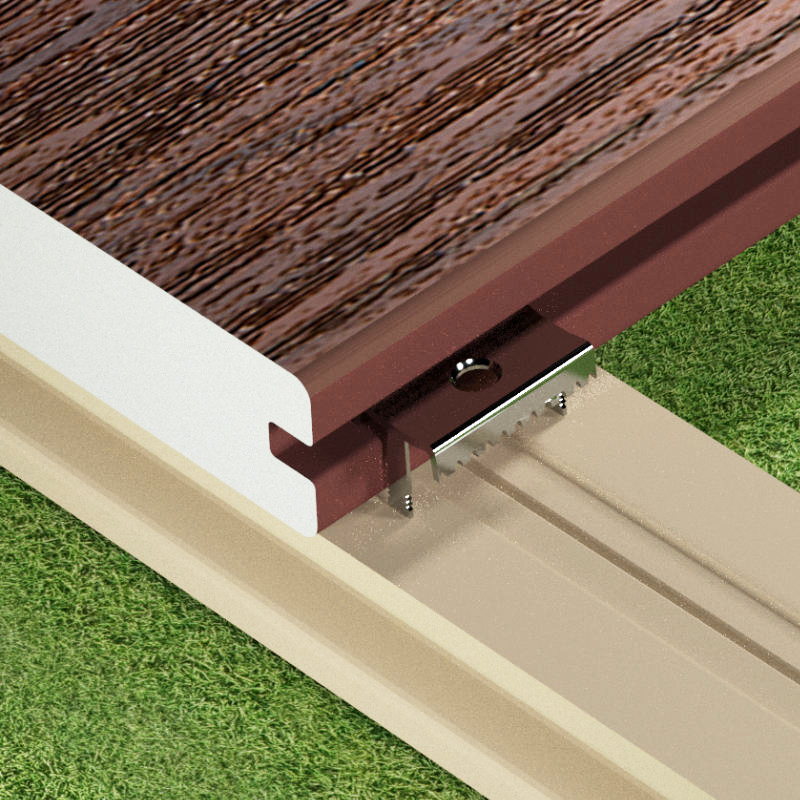
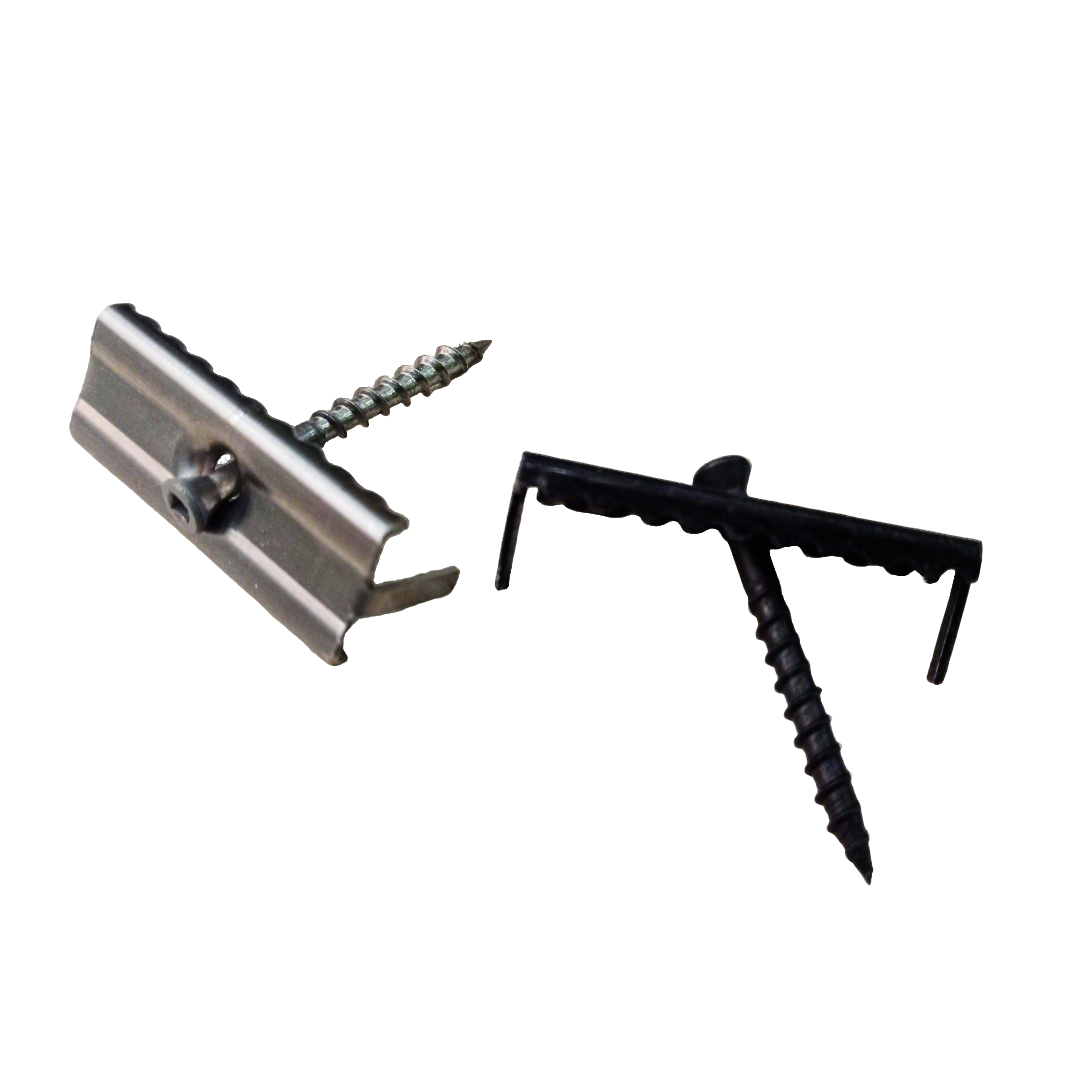
Hidden Fastener Integration: The top surface has zero visible screw holes. It uses a downward-clipping mechanism that locks into the board groove. Your clients just see a beautiful, uninterrupted floor.
Integrated Drainage Channels: Water loves to pool in 90-degree corners. We routed subtle 2mm drainage channels into the base. It keeps the subframe dry and prevents that musty smell.
Color-Matched UV Stability: Available in Charcoal, Teak, and Dark Grey. The UV inhibitors are mixed all the way through, so it won't fade differently than the rest of your deck after three years.
Load-Bearing Core: Don't let the lightweight feel fool you. The internal ribbing supports up to 800 lbs of localized stress, which is more than enough for heavy planters or hot tub corners.
The Reality of Installing Corner Connectors
Look, it’s not magic. You still need to prep the subframe properly. If your joists are out of level by more than 1/8 inch, even the best corner connector in the world will show a shadow gap. There's no one-size-fits-all fix for bad framing.
From what we've installed, the process is pretty straightforward. You secure the joiner to the subframe using the bottom mounting holes, then slide the decking boards into the hidden clips. It generally adds about 2-3 hours to a standard 200 sq ft deck layout, mostly because you have to measure the corner miters perfectly.
Here’s what nobody tells you about the downside: it is roughly 15-20% more expensive upfront than generic metal L-brackets. You're paying for the material match and the hidden fastener tech. But when you factor in the saved labor time from not having to countersink and plug screws, the cost basically washes out. Most of the time, anyway.
FAQs About Corner Connector PVC Accessories
Can I use this joiner with non-PVC composite boards?
Generally speaking, yes. As long as your boards have a standard hidden fastener groove (about 5mm wide), the clips will lock in. But keep in mind, if your boards are a different brand, the color and texture won't match perfectly. We usually recommend sticking to our PVC line for a truly seamless look.
Does it really hide all the screws?
Yes. The top surface is completely solid. All the structural screws go through the bottom flange directly into the joist. Once the boards are clipped in, the hardware is 100% invisible.
How does it handle extreme temperature swings?
We tested these in both Arizona heat and Minnesota winters. Because the joiner and the board share the same thermal expansion coefficient, they move together. We've seen roughly 30% less stress on the clips compared to mixed-material brackets over a 5-year simulated lifespan.
What if my corner isn't exactly 90 degrees?
This is designed specifically for true 90-degree corners. If your framing is off by a degree or two, you can shim it slightly. But if it's a 45-degree angle or an irregular shape, you'll need to custom cut the boards and use a different joining method. There's no one-size-fits-all solution for wonky framing.
Getting a flawless corner joint isn't just about aesthetics. It’s about structural integrity and giving your client a deck that looks just as good in year ten as it did on day one. If you're tired of patching up gapping corners, this is the upgrade you need.
Frequently Asked Questions
Related Products
Ready to Start Your Project?
Contact us today for a competitive quote and professional consultation
Contact Us Now