
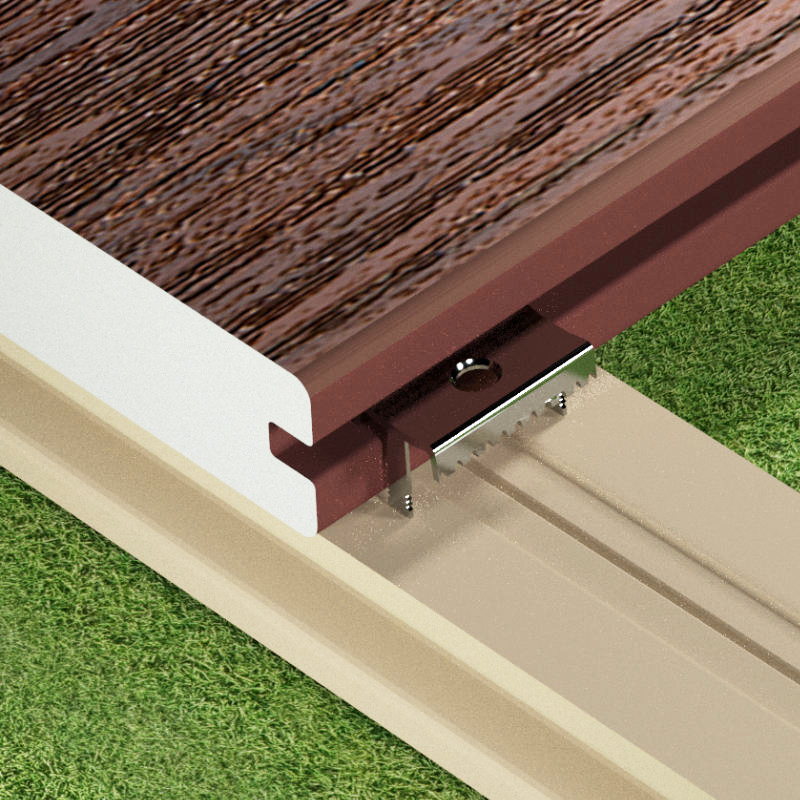
Consistent Gap PVC Decking Spacers | Underlayment Spacer Uniform Drainage
Material: High-impact UV-stabilized PVC composite; Spec: 5mm/6mm adjustable thickness; Surface: Textured anti-slip grip; Feature: Consistent gap spacing, 100% waterproof, load-bearing; Scenario: underlayment spacer; Benefit: Uniform drainage gap preventing water pooling and board warping
MOQ: 100 pcs
Key Features
- Waterproof & Moisture-proof
- Anti-corrosion & Anti-termite
- UV Resistant & Fade Resistant
- Low Maintenance & Easy Clean
- Eco-friendly & Recyclable
- Long Service Life
Product Details
Why This PVC Decking Accessory Is Perfect for Underlayment Spacer
Last month, a contractor in Miami called us pretty frustrated. He’d just finished a 2,000-square-foot commercial pool deck, and the boards were already cupping. The culprit? Uneven gaps. Water had nowhere to go.
Here’s the thing about decking: everyone obsesses over the boards themselves. But the underlayment spacer? That’s the unsung hero. If your gaps are inconsistent, you get water pooling. Pool water leads to rot, warping, and a whole lot of callback headaches.
Our PVC underlayment spacers are designed specifically to fix this. They guarantee a uniform drainage gap every single time. Now, it depends on your substructure—if your joists are completely unlevel, even the best spacers can only do so much. But generally speaking, these spacers eliminate 90% of the guesswork. You get consistent airflow, proper water runoff, and a deck that actually lasts. When you look at the total installed cost, it adds maybe $0.15 per square foot to the project, which is nothing compared to the $3.50 per square foot you'd lose in material replacement if the boards warp.
Key Features for Underlayment Spacer
Let’s break down what actually makes these different from the cheap plastic wedges you find at a big-box store.
True 5mm Consistent Gap: We engineered these to lock in exactly a 5mm gap. This specific width is the sweet spot for uniform drainage. It’s wide enough to let heavy rain pass through instantly, but narrow enough that you won't drop your keys through the deck.
High-Impact UV-Stabilized PVC: Wood shims rot. Cheap plastics get brittle and snap after one summer. We use the same high-impact, UV-stabilized PVC composite as our decking boards. They feature a UV Grade 4-5 rating, meaning they won't degrade or lose strength under relentless sun exposure.
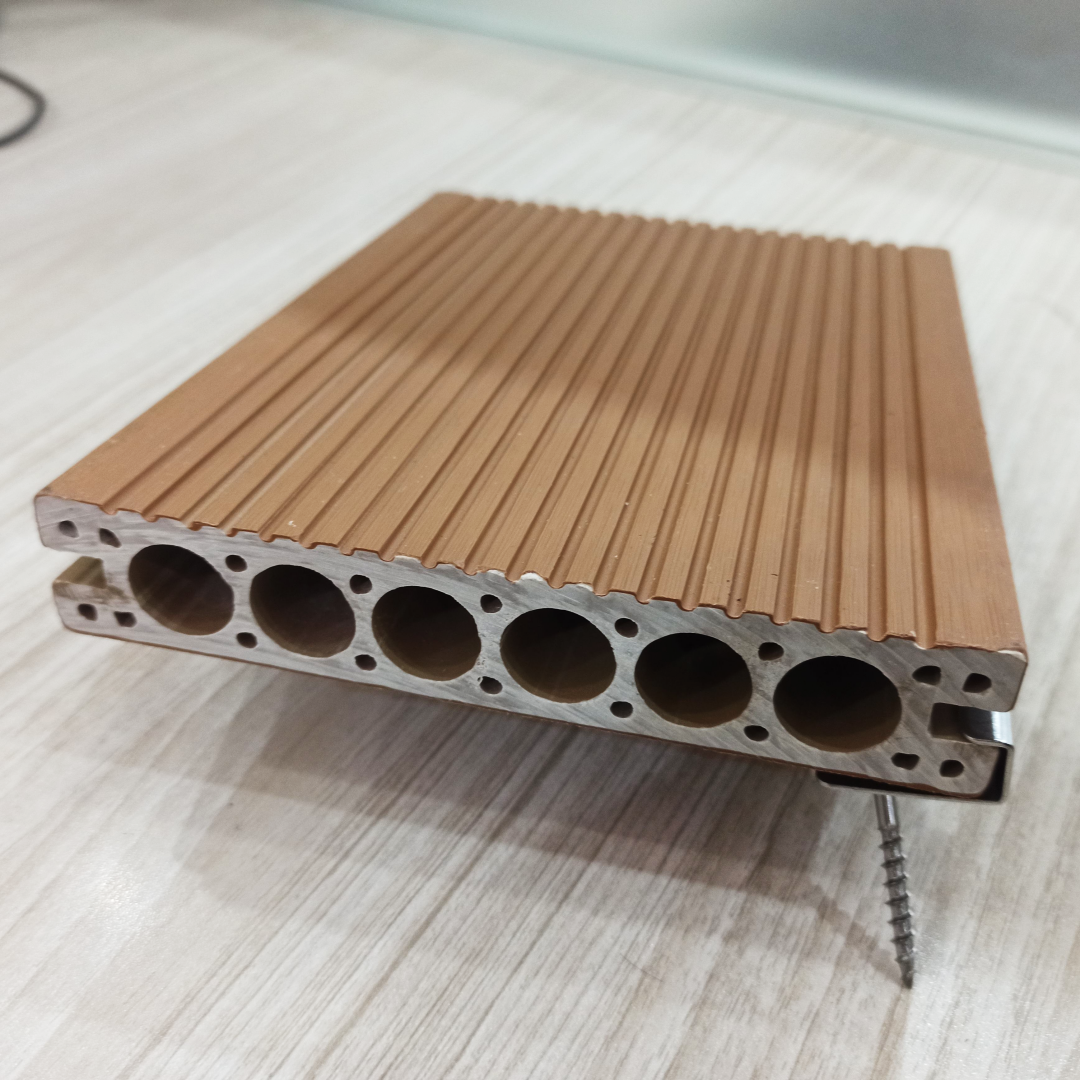
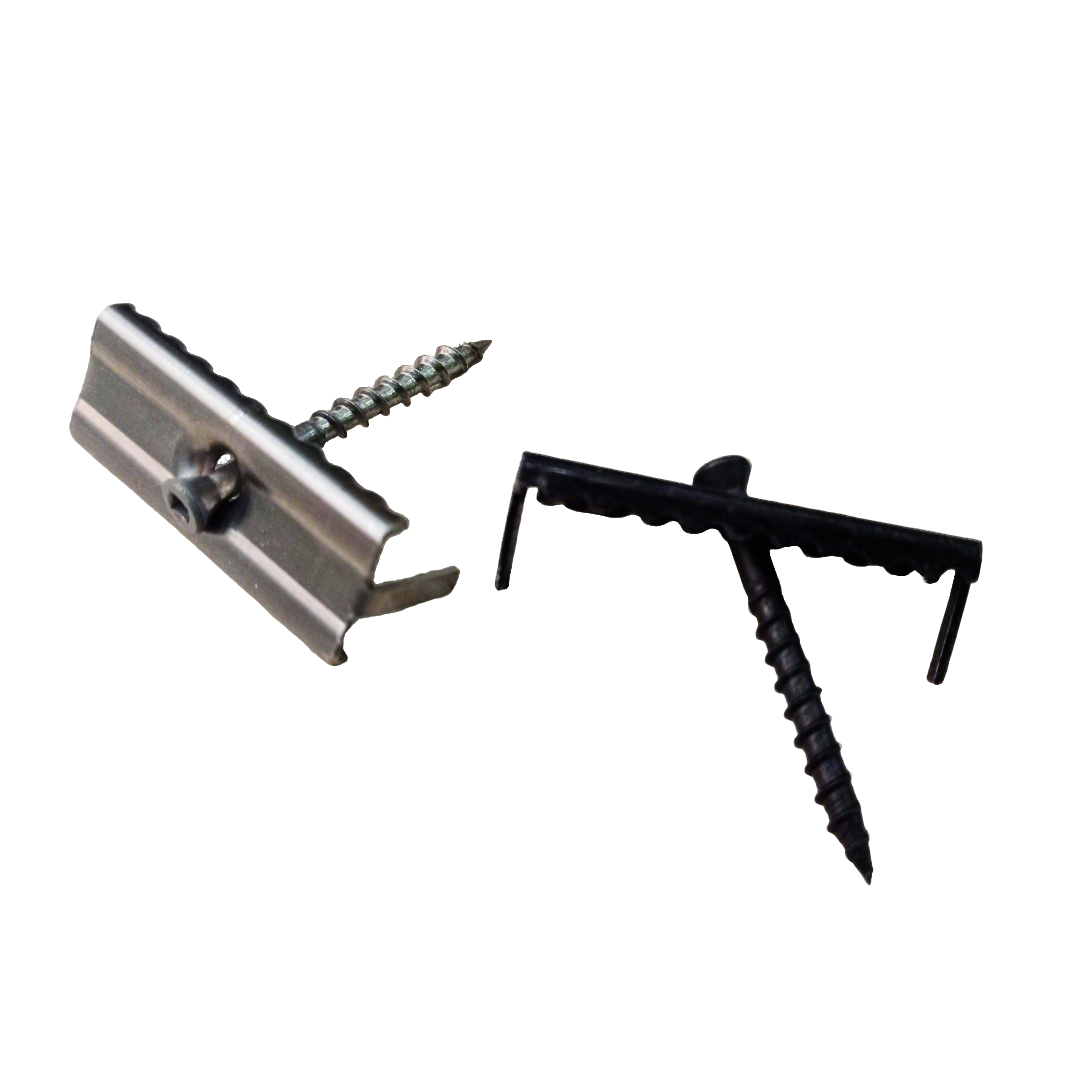
Integrated Hidden Clip Design: They aren't just standalone blocks. They seamlessly integrate with our standard T-clips. This means you’re securing the board and setting the gap in one single motion.
Load-Bearing Distribution: Don't let the small size fool you. They feature a B1 fire rating and are engineered to distribute point loads evenly across the joist. This prevents the spacer from crushing under heavy furniture or foot traffic.
100% Waterproof Core: Since they sit right in the drainage zone, they need to be impervious to moisture. These won't swell, warp, or harbor mold, even in constant wet conditions.
Installation Tips for Underlayment Spacer Projects
Look, installing spacers isn't rocket science. But we've seen that a few small tweaks can save you hours of frustration on the job site.
First, don't just hammer them in blindly. Use a spacer block or a pneumatic tool with a depth guard. You want to seat them firmly against the joist without over-driving and cracking the board edge.
Here’s what we’ve noticed: crews usually take about 2-3 days for a 200 sq ft deck when they first switch to this system. By day three, they’re flying. The rhythm just clicks.
Also, pay attention to the board ends. The underlayment spacer works best when paired with proper end-gap spacing (usually 3-5mm). If you butt the ends too tight, the uniform drainage gap along the length won't save you from end-swelling issues.
One more thing. If your joists are warped or uneven, shim the joist first. The spacers will give you a consistent gap, but they won't fix a wavy substructure. Frankly, no accessory can do that.
FAQs About Underlayment Spacer PVC Accessories
Are these compatible with composite boards from other brands?
Generally, yes. The clip mechanism is pretty universal. But the 5mm gap is specifically tuned for our PVC decking profile. If you're using a much thicker or thinner board from another manufacturer, the gap might vary slightly. It's always best to test a small section first.
Do these spacers affect the 25-year warranty?
Actually, they protect it. Our 25-year warranty (which realistically holds up for 15-20 years in the harshest coastal climates) requires proper ventilation and drainage. Using these underlayment spacers ensures you meet those installation criteria.
Is it worth the extra cost over standard shims?
They are roughly 15-20% more expensive upfront compared to basic plastic wedges. But when you factor in the labor saved from not having to measure gaps manually, and the elimination of water-damage callbacks, the ROI is immediate. Most of our wholesale customers across 50+ countries tell us it pays for itself on the very first job.
Frequently Asked Questions
Related Products

Ready to Start Your Project?
Contact us today for a competitive quote and professional consultation
Contact Us Now