
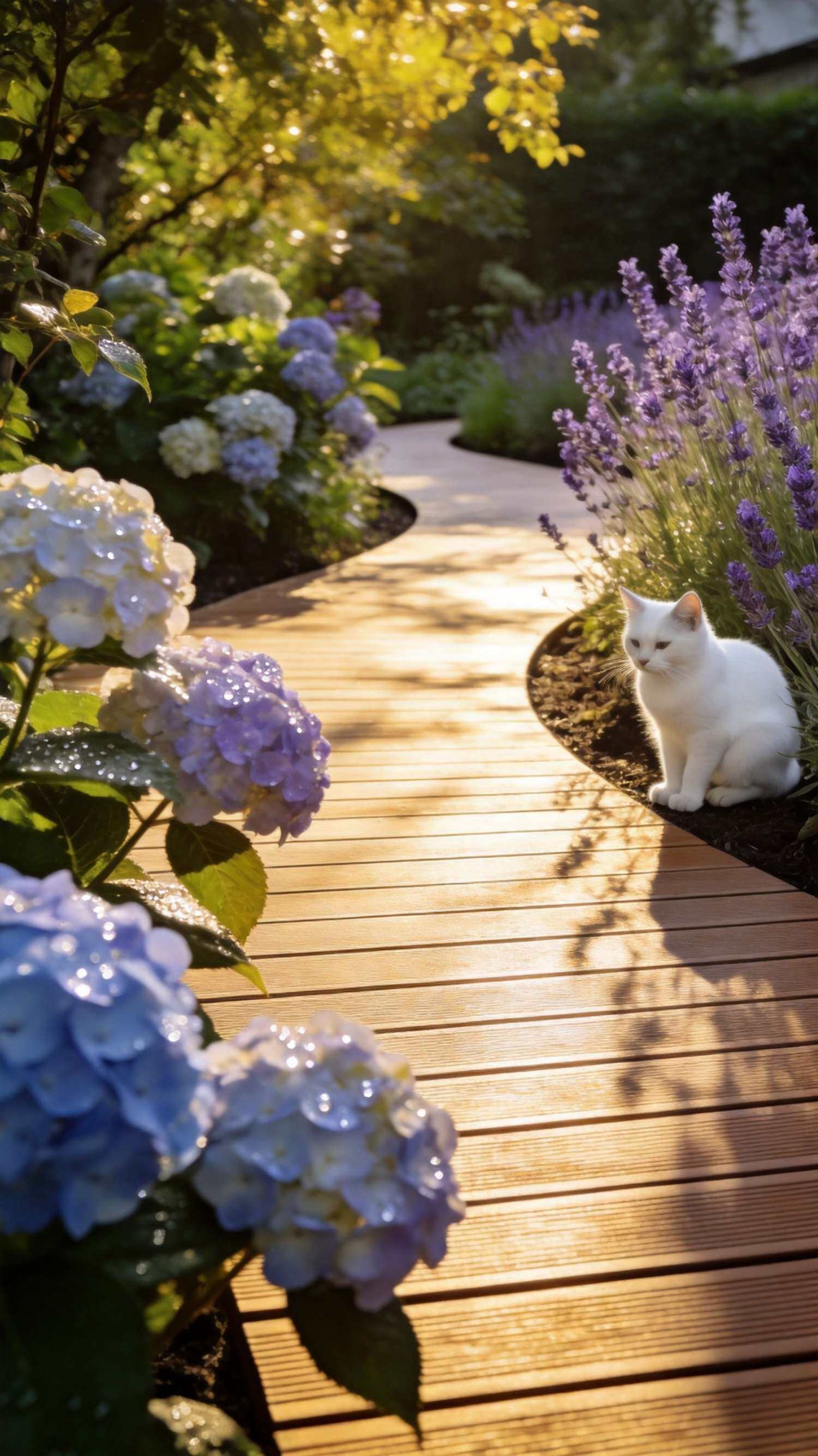
All-Weather Mud-Free PVC Decking | Garden Walkway Zero-Maintenance Path
Material: 100% recycled PVC composite core with ASA polymer cap; Spec: 140×22mm; Surface: Deep embossed wood grain with micro-texture; Feature: 100% waterproof, UV-stabilized, mud-resistant; Scenario: garden walkway; Benefit: All-weather, zero-maintenance footpath that stays clean and slip-free year-round
MOQ: 99 sqm
Key Features
- Waterproof & Moisture-proof
- Anti-corrosion & Anti-termite
- UV Resistant & Fade Resistant
- Low Maintenance & Easy Clean
- Eco-friendly & Recyclable
- Long Service Life
Product Details
Last month, a landscape contractor in Oregon called us. He was frustrated. He’d just finished a beautiful garden walkway using traditional composite, and the client was already complaining about mildew and slippery spots after one rainy spring. Here’s the thing about garden paths: they take a completely different beating than a standard patio deck. They sit closer to the soil. They stay damp longer. They get covered in wet leaves and dirt.
Sound familiar? You might be wondering if there’s actually a material that handles this without turning into a maintenance nightmare. But does it actually hold up when the soil is constantly damp?
Why Garden Walkways Destroy Ordinary Materials
Let's be honest. Most decking is designed for elevated, well-ventilated spaces. A garden walkway is a totally different animal. It’s often at ground level, surrounded by soil, and constantly exposed to ground moisture and organic debris. Wood rots. Standard WPC can trap moisture and grow mildew if it's constantly shaded.
That’s exactly why we engineered this specific PVC decking line. It’s not just "weather resistant." It’s built to be practically immune to the specific abuse a garden path dishes out.
What Actually Matters for a Garden Path
We get asked a lot about specs. But frankly, for a garden walkway, you only care about a few things. Here is what we focus on:
Absolute mud and stain rejection. The ASA polymer cap we use doesn't just resist water; it repels dirt. When it rains, the mud from your garden beds just washes off. Most of the time, you don't even need to sweep it.
Wet-surface grip. A slippery path is a lawsuit waiting to happen. Our deep embossed wood grain includes a micro-texture. It grips your shoes even when it's pouring rain. We usually recommend the textured finish over the smooth one for any ground-level path.
Zero moisture absorption. Because it’s 100% PVC (no wood flour in the core), it literally cannot rot or swell. It doesn't trap the dampness from the soil below. This is crucial if your garden stays shaded and wet.
UV stability that doesn't quit. We rate our color retention at UV Grade 4-5. Sure, every plastic fades eventually, but realistically, you're looking at 15-20 years before you'd even notice a slight shift in tone.
Installation Reality Check for Garden Paths
Installing a walkway isn't quite like building a raised deck. The sub-base is everything. If you just lay the joists directly on dirt, you're going to have a bad time. The ground will shift, and your perfectly straight path will look like a rollercoaster in six months.
From what we've installed, the best approach is a compacted gravel base with concrete footings for the joists. It takes a bit more prep, but it locks everything in place. For a standard 200 sq ft garden path, expect the prep and installation to take about 2-3 days for a two-person crew. Material costs usually land around $5.20 per square foot for this capped PVC profile.
One quick tip: leave your 1/4-inch end gaps. People always try to push the boards tight together to keep out leaves. Don't do it. PVC expands and contracts, and you need that space for water to drain through.
Let’s Be Honest About the Downsides
There's no one-size-fits-all perfect material. It depends on your budget and your expectations.
First, the cost. This capped PVC is roughly 15-20% more expensive upfront than basic pressure-treated pine, and about 10% more than uncapped composite. You're paying for that ASA cap and the pure PVC core. But if you factor in zero sealing, zero staining, and no rotting replacements, the 5-year ROI is actually pretty solid.
Second, heat retention. Like all dark-colored outdoor materials, our darker walnut and charcoal finishes will get hot in direct, blazing summer sun. If your garden path is in full, unshaded sunlight all day, we highly recommend sticking to our lighter teak or oak colors. They run noticeably cooler.
What Maintenance Actually Looks Like
Here’s what we’ve noticed from clients who’ve had this installed for a few years: they barely touch it. Maybe once a season, they’ll give it a quick sweep to get the wet leaves off. If you get a stubborn dirt stain from a potted plant, a mix of warm water and a mild dish soap takes it right off. No pressure washing needed, though if you do use one, keep it under 1500 PSI and use a wide fan tip. Honestly, the biggest "maintenance" issue we see is people overthinking it.
Final Thoughts on Your Garden Path
About 70% of our customers who buy this specific profile use it for ground-level garden paths and courtyard walkways. They just want something they can install once and forget about.
If you're planning a path that winds through heavy shade and damp soil, go with our lighter oak finishes and make sure your gravel base has proper drainage. Get the sub-base right, and the decking will literally outlast the house.
Frequently Asked Questions
Related Products
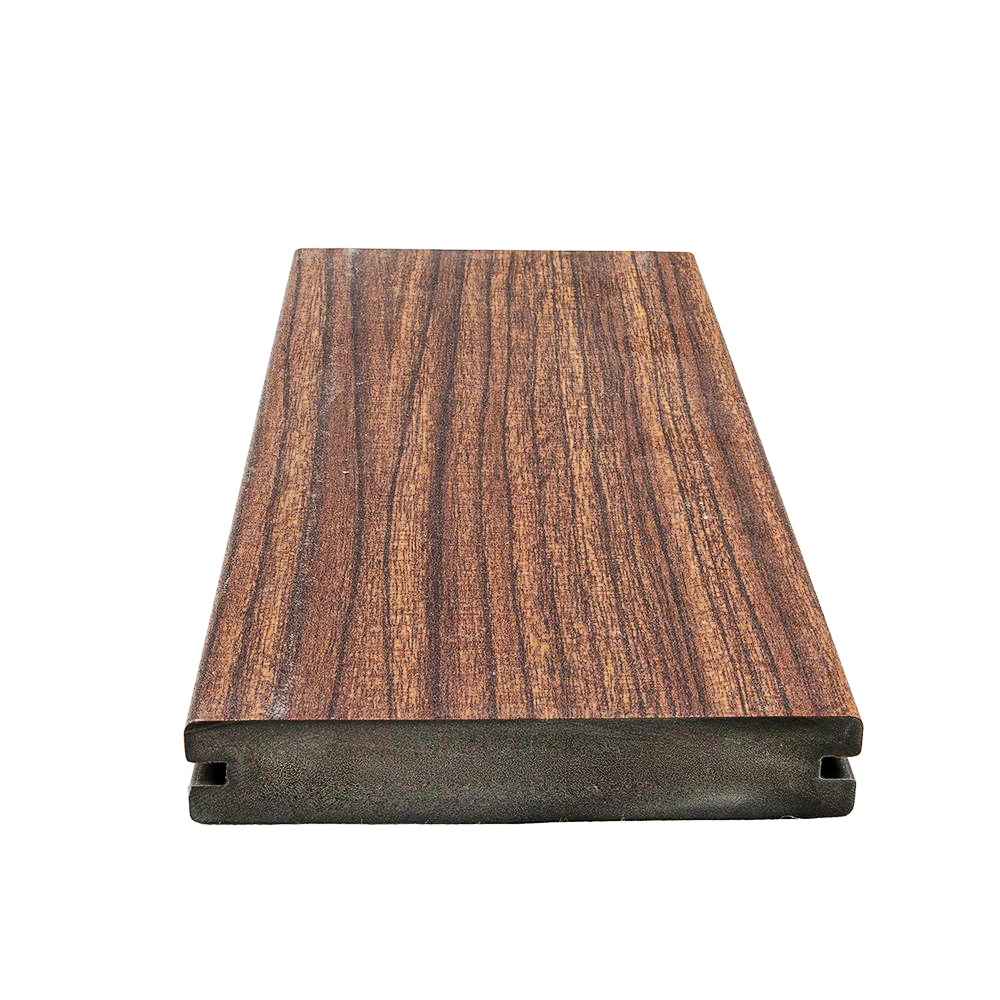
UV Resistant Fade-Proof PVC Decking | Resort Poolside Luxury Flooring
$3.78 - $19.9 per sqm
View Details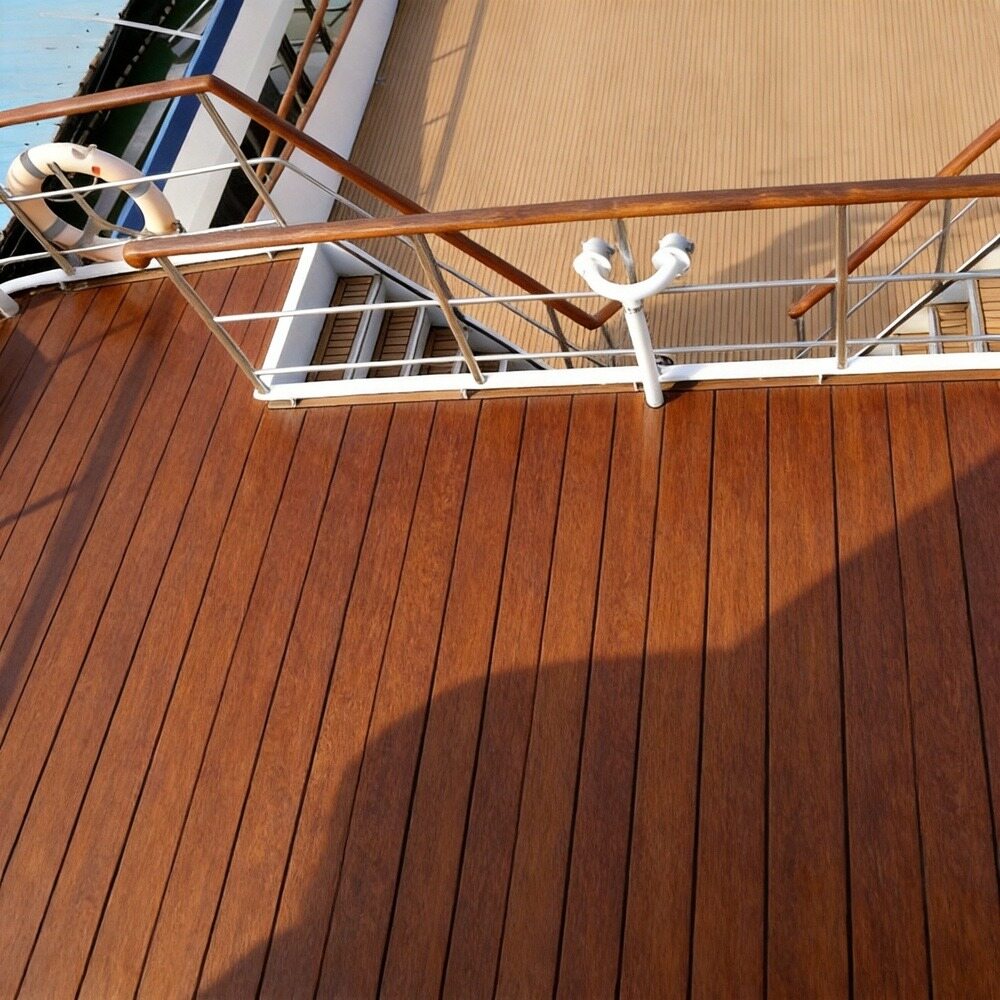
Ready to Start Your Project?
Contact us today for a competitive quote and professional consultation
Contact Us Now