
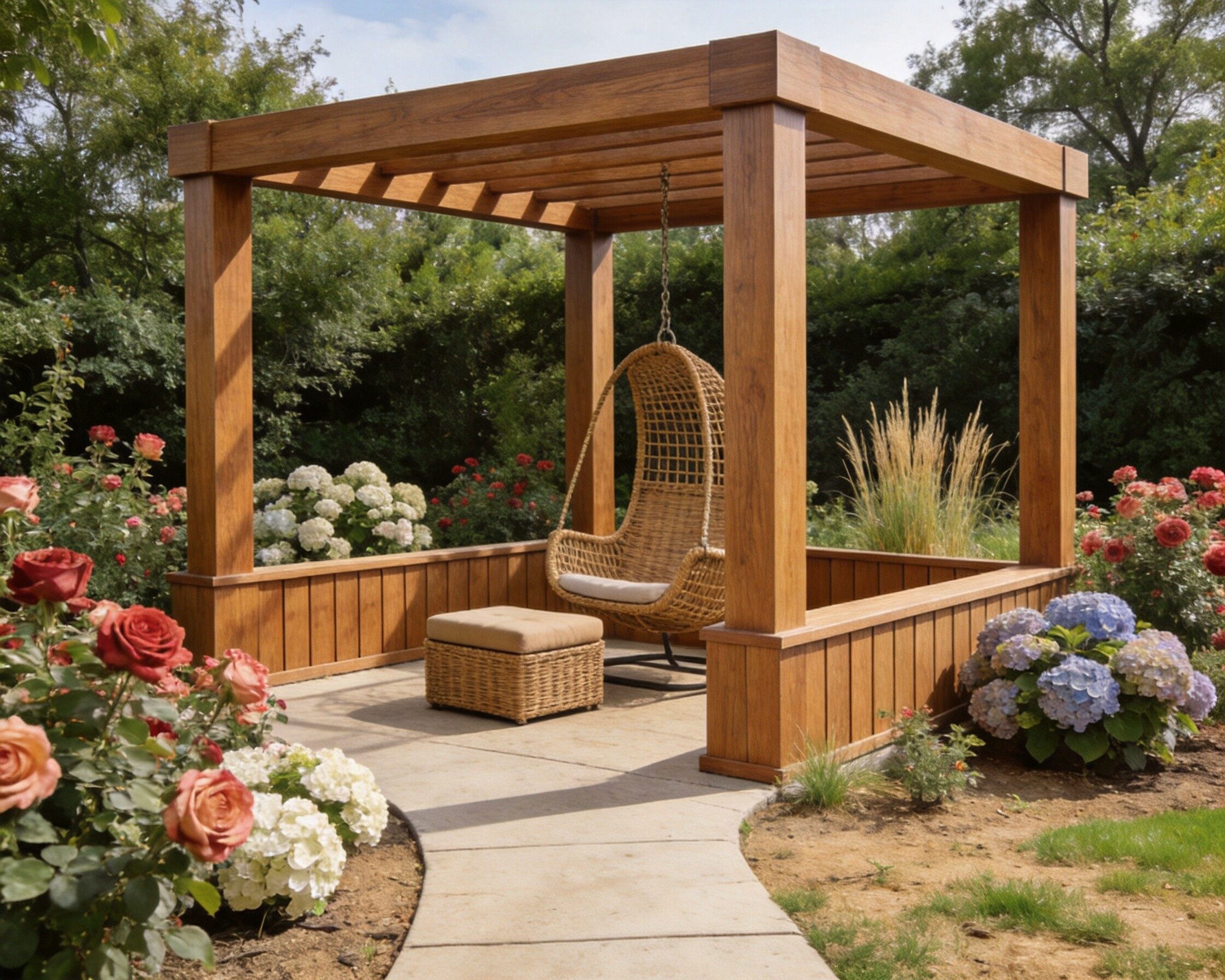
Motorized Louver PVC Pergola | Backyard Garden All-Season Weather Control
Material: High-density rigid PVC with ASA co-extrusion; Spec: 150×150mm posts, 100×50mm beams; Surface: Matte textured finish; Feature: Motorized adjustable louver roof, 100% waterproof; Scenario: backyard garden; Benefit: All-weather climate control and rot-proof outdoor shade
MOQ: 100 pcs
Key Features
- Waterproof & Moisture-proof
- Anti-corrosion & Anti-termite
- UV Resistant & Fade Resistant
- Low Maintenance & Easy Clean
- Eco-friendly & Recyclable
- Long Service Life
Product Details
Why This PVC Louver Pergola Works in a Backyard Garden
Here’s what nobody tells you about building a pergola in a backyard garden: wood rots, and aluminum gets too hot to touch by mid-July. Last month, a contractor in Florida called us. He was tired of replacing cedar pergolas every four years because of the humidity. He wanted something that wouldn't warp, but he didn't want the thermal conductivity of metal. That’s exactly why we engineered our PVC pergolas with adjustable louver roofs.
A backyard garden is a harsh environment. You've got sprinkler systems hitting the posts, intense UV beating down on the roof, and let's be honest, most homeowners forget to maintain outdoor structures. With a traditional wood gazebo, you're looking at staining it every couple of years. Our PVC pergola eliminates that headache entirely. The louver roof lets you dial in the exact amount of sunlight. Need to bake in the sun? Open it up. Sudden rainstorm? Close it tight. It’s genuinely that simple. But does it actually hold up in real life? After exporting to over 50 countries, we can confidently say yes.
The Specs That Actually Matter
Let's skip the marketing fluff. Here are 5 things that actually matter when you're putting this structure in a garden.
Motorized 0-90° Louver Rotation. It’s not just about opening and closing. The micro-adjustments let you block the harsh afternoon sun while still letting morning light in. You can literally chase the shade.
100% Waterproof Sealing. Most pergolas just deflect water. Ours uses EPDM rubber seals between the louver blades. When it closes, it stays dry underneath. Period.
ASA Co-extruded Color Layer. We don't just paint PVC. The ASA layer is co-extruded, meaning the UV resistance (Grade 4-5) goes deep. It won't chalk or fade like cheap painted alternatives.
B1 Fire Rating. This is a big one for residential gardens near BBQs or fire pits. The material is self-extinguishing, giving you peace of mind.
Hidden Gutter System. Water drains down the hollow posts. No ugly external downspouts ruining the garden aesthetic.
Installation Reality Check
Look, installing a PVC pergola isn't exactly like snapping together floor tiles. It requires precision. The posts need to be perfectly plumb, or the louver blades will bind when you try to rotate them. We usually recommend a concrete footing of at least 12x12 inches.
And here's a pro tip: don't over-tighten the louver mounting brackets. PVC expands and contracts. If you lock it down too tight in the winter, it’ll buckle in the summer. Leave about a 2mm gap for thermal expansion. It takes our crew about 2-3 days for a standard 3x4 meter setup. If you're doing it yourself, take your time with the initial leveling.
The Downsides (Because Nothing is Perfect)
I’ll be honest. It’s not perfect. The one downside we see fairly often is the upfront cost. It’s roughly 15-20% more expensive initially than a basic aluminum pergola. You're paying for the PVC extrusion complexity and the integrated motor.
Also, if you want to mount heavy stuff on the roof—like a massive outdoor TV or heavy string lights—you need to reinforce the beams. The hollow PVC beams are incredibly strong for their weight, but they aren't structural steel. Plan your lighting and tech mounts during the design phase, not after it's built.
FAQs About Backyard Garden PVC Pergolas
Can I control the roof with my phone?
Yes, we integrate standard Tuya/Smart Life modules. You can set it to close automatically if it rains, or set a schedule to open it at 6 AM every morning.
How does it handle heavy snow?
The closed louver blades can support about 150 kg/m². But if you're in a heavy snow region, we highly recommend the snow sensor add-on. It’ll auto-open to let the snow slide off before the weight becomes an issue.
What's the actual lifespan?
We offer a 25-year warranty. Realistically, in harsh coastal or high-UV climates, expect 15-20 years of peak performance before the ASA layer shows minor wear. In milder climates, it'll easily outlast the house.
Frequently Asked Questions
Related Products
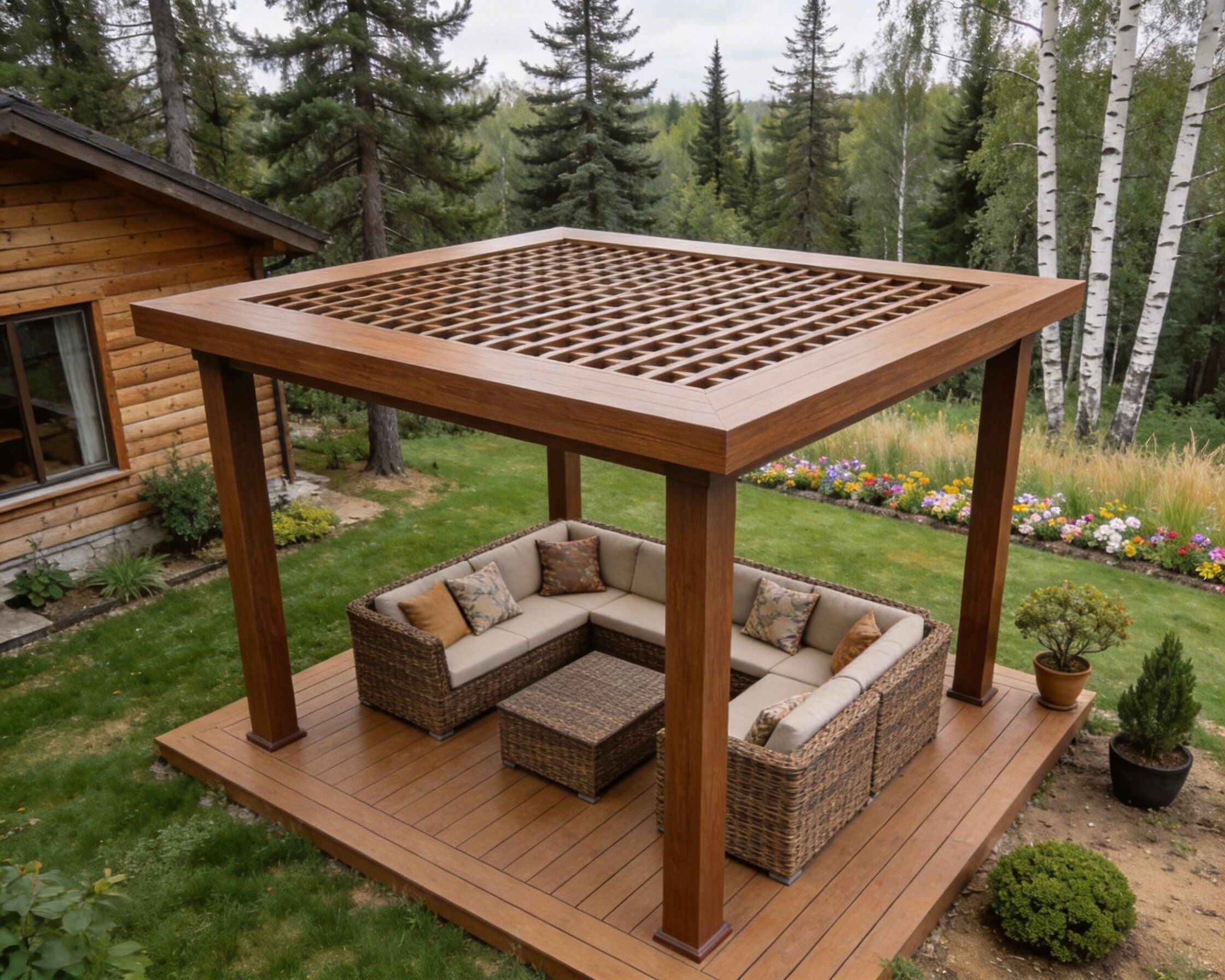
Adjustable Roof PVC Pergola | Residential Patio All-Weather Sun & Rain Shield
$2.460 - $18.20 per sqm
View Details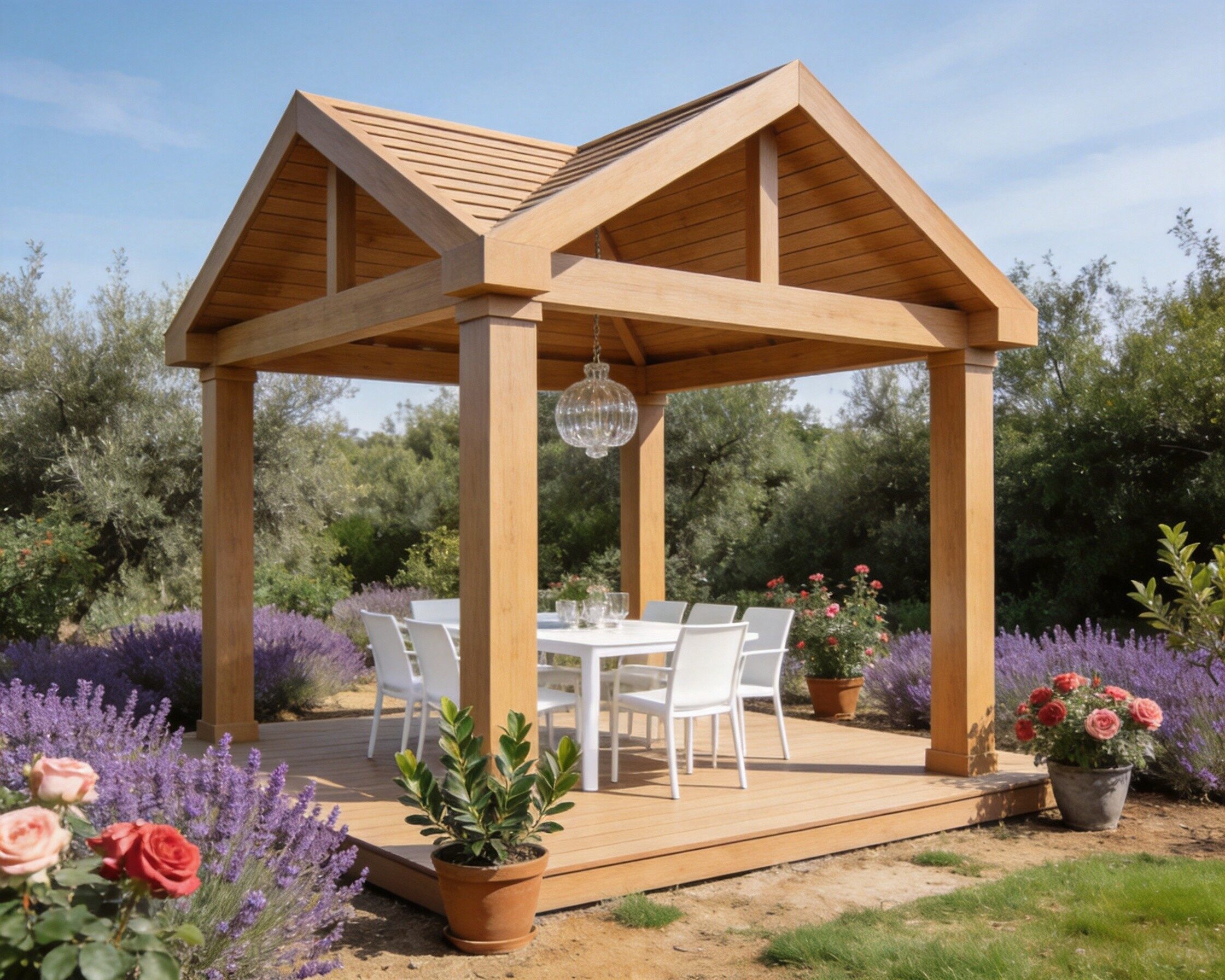
Modular Aluminium PVC Pergola | Patio Cover Weather Protection System
$2.78 - $17.9 per sqm
View Details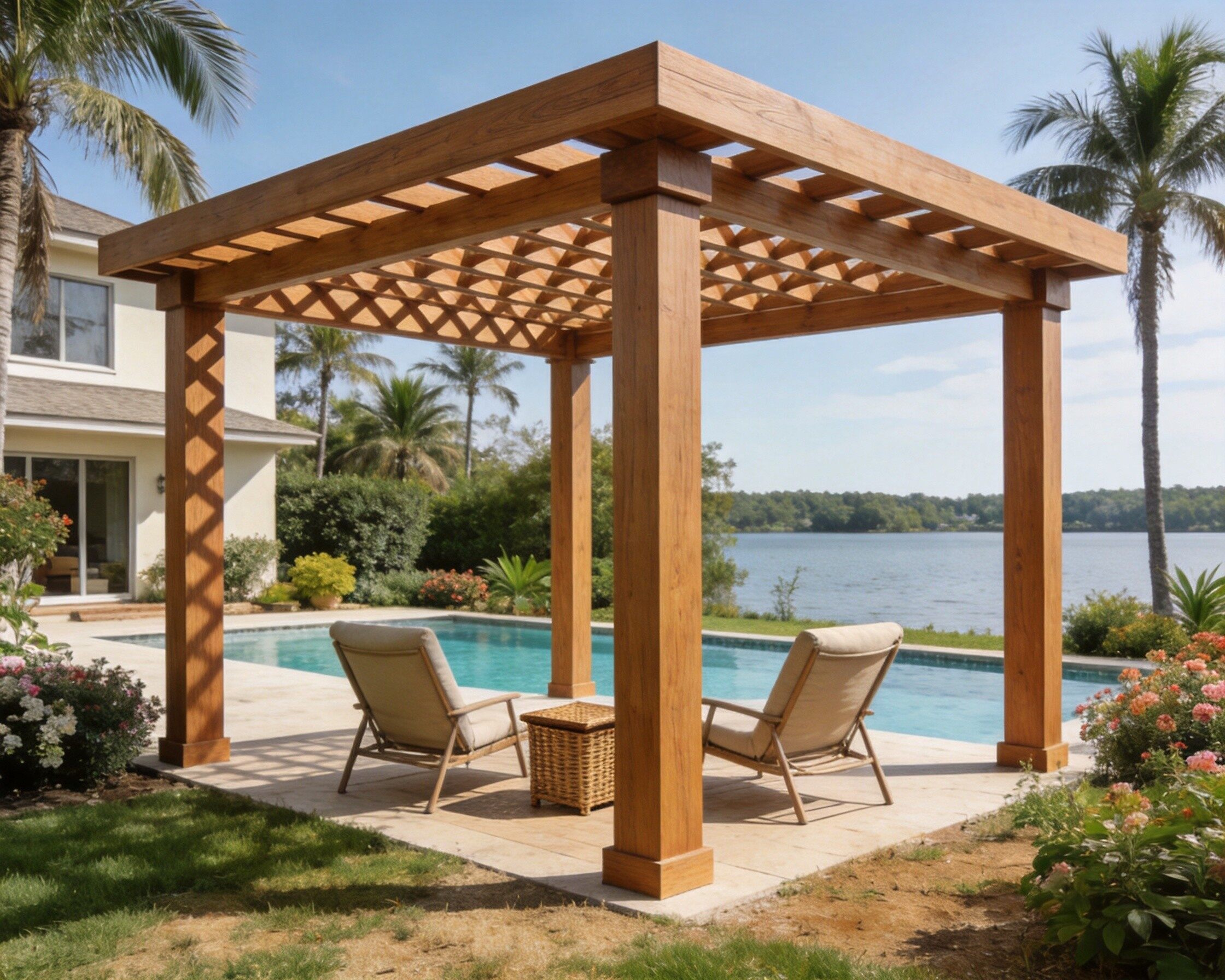
Modern Minimalist WPC Pergola | Garden Pavilion Focal Point Structure
$1.78 - $11.9 per sqm
View DetailsReady to Start Your Project?
Contact us today for a competitive quote and professional consultation
Contact Us Now