
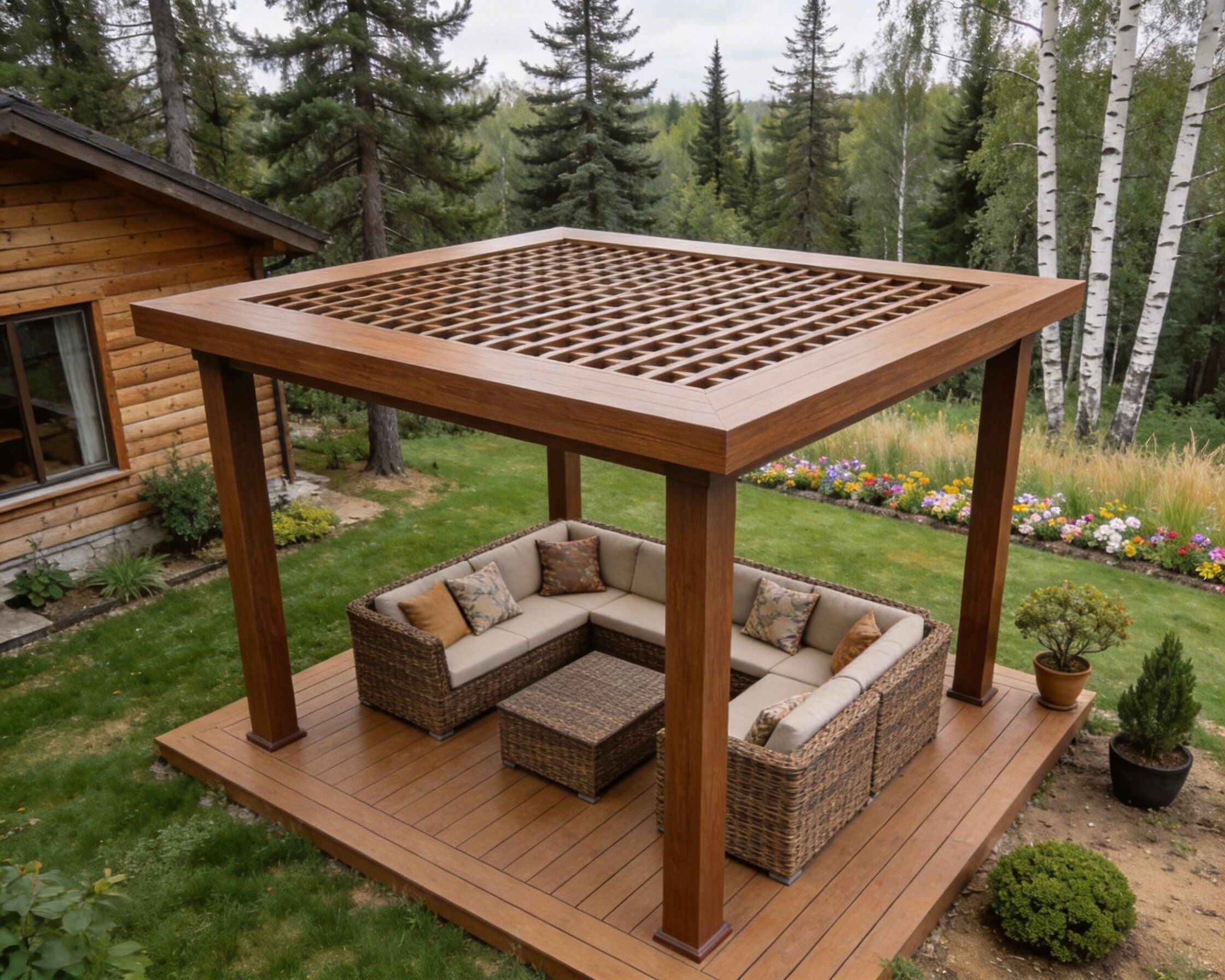
Adjustable Roof PVC Pergola | Residential Patio All-Weather Sun & Rain Shield
Material: High-density PVC composite with powder-coated aluminum inserts; Spec: 3000×3000mm (customizable up to 6000×4000mm); Surface: Smooth matte finish with UV-stabilized coating; Feature: 100% waterproof, adjustable louver roof, rot-proof; Scenario: patio cover; Benefit: Complete all-weather outdoor living space with zero maintenance
MOQ: 100 pcs
Key Features
- Waterproof & Moisture-proof
- Anti-corrosion & Anti-termite
- UV Resistant & Fade Resistant
- Low Maintenance & Easy Clean
- Eco-friendly & Recyclable
- Long Service Life
Product Details
Last month, a contractor in Florida called us, pretty frustrated. He’d just ripped out a wooden pergola he built two years prior. Rot at the base, warped beams, and the canvas shade was completely shredded. He asked if PVC could actually handle the brutal Gulf Coast summers without turning into a maintenance nightmare.
The short answer? Yes.
But let’s be honest about what that actually means for your patio cover projects. A patio cover isn't just about throwing some shade. It’s about creating a usable space when the weather decides to be unpredictable. You want to sit outside with a coffee in the morning and not worry about a sudden afternoon downpour ruining the cushions.
The Reality of Modern Patio Covers
Here’s what we’ve noticed after years in the building materials game: wood rots. Aluminum rusts if the coating chips. And fabric just gives up. When you're designing a patio cover, you're basically fighting a constant war against moisture and UV rays.
That’s where this specific PVC and aluminum hybrid system steps in. It’s not just a plastic box. We’ve engineered the core with a modular aluminum frame for structural rigidity, then fully encased it in high-density PVC. You get the strength of metal where it counts, and the weatherproof shell on the outside. It’s the best of both worlds, frankly.
What Actually Matters for Your Patio
Let’s skip the generic marketing fluff. Here are the features that actually impact your day-to-day patio experience.
100% Waterproof Louver Roof: It doesn’t just resist water; it blocks it. When you close the adjustable louvers, the interlocking design creates a tight seal. Rain runs off into the hidden gutter system. No dripping, no puddles on your outdoor furniture.
The Hidden Gutter System: This is an industry insider detail most people miss. The water doesn't just cascade off the edges. It channels into the rear legs and drains safely away from your patio foundation. Keeps your concrete footings dry.
UV Grade 4-5 Stability: We use ASA co-extruded layers on the visible surfaces. What does that mean in real life? It means five years from now, your patio cover won't look like it’s been bleached by the sun. It holds its color.
B1 Fire Rating: If you’re putting a BBQ grill under your patio cover, this is non-negotiable. The PVC composite is self-extinguishing. It won't fuel a fire.
Modular Aluminum Core: The frame isn't just PVC hollow tubes. Inside, there's a powder-coated aluminum skeleton. This allows for wider spans—up to 4 meters between posts—without sagging. You get a massive, open patio area without cluttering it with support columns.
Installation: What to Expect on Site
Look, installing a heavy-duty patio cover isn't like putting together flat-pack furniture. It requires precision. Generally speaking, a standard 3x3m setup takes about 2 to 3 days for a two-person crew.
But here's the catch: the ground needs to be perfectly level. If you're pouring new concrete footings for the posts, let them cure for at least 7 days before mounting the frame. If you rush this, the louver mechanisms will bind and fail to close properly.
We usually recommend using our pre-drilled base plates with chemical anchors if you're mounting to an existing concrete patio. It’s much faster than drilling and expanding bolts, and it holds up better against wind uplift.
The Catch: Let's Talk About the Downsides
It’s not perfect. There’s no one-size-fits-all in construction, and we believe in being upfront.
The one downside we see fairly often is the initial investment. Frankly, this system is roughly 15-20% more expensive upfront compared to basic pressure-treated pine or a simple aluminum kit. But if you calculate the 5-year cost of staining wood, replacing canvas shades, and fixing rust spots... the math flips pretty quickly. Backed by our 25-year structural warranty, most of the time the long-term ROI makes perfect sense, though there are exceptions for very tight DIY budgets.
Built for Global Climates
We’ve shipped this exact louver pergola system to over 50 countries. From the humid, typhoon-prone coasts of Southeast Asia to the heavy snow loads of Northern Europe. The B1 fire rating and UV Grade 4-5 coating aren't just buzzwords; they’re mandatory requirements for the markets we export to. When it performs in extreme global conditions, it’s going to handle your local backyard just fine.
Common Questions from Contractors and Homeowners
Can I attach this pergola directly to my house wall?
Yes, but you have to flash it properly. We provide a wall-mounting kit, but you need to ensure the waterproof membrane of your house isn't compromised. If water gets behind the wall mount, it will cause interior damage. Use high-quality exterior sealant.
Will the patio get hot underneath in the summer?
PVC reflects heat much better than bare metal, so the structure itself won't radiate heat downward. However, if you close the louvers completely, it will trap heat. The trick is to leave the louvers angled at about 45 degrees. You get the shade, but the hot air escapes.
How does it handle heavy snow?
If you expect heavy, wet snow, you need to keep the louvers fully closed or fully open. If they are partially open, snow can get stuck in the tracks. For extreme snow regions, we recommend upgrading to the heavy-duty aluminum gauge option, which supports up to 150 kg per square meter.
Is the motorized option worth it?
About 70% of our residential customers choose the motorized louver upgrade. Being able to close the roof with a remote when a sudden rainstorm hits—without running outside in your socks—is a game changer. It adds roughly $400 to the total cost, but the convenience is usually worth it.
Frequently Asked Questions
Related Products
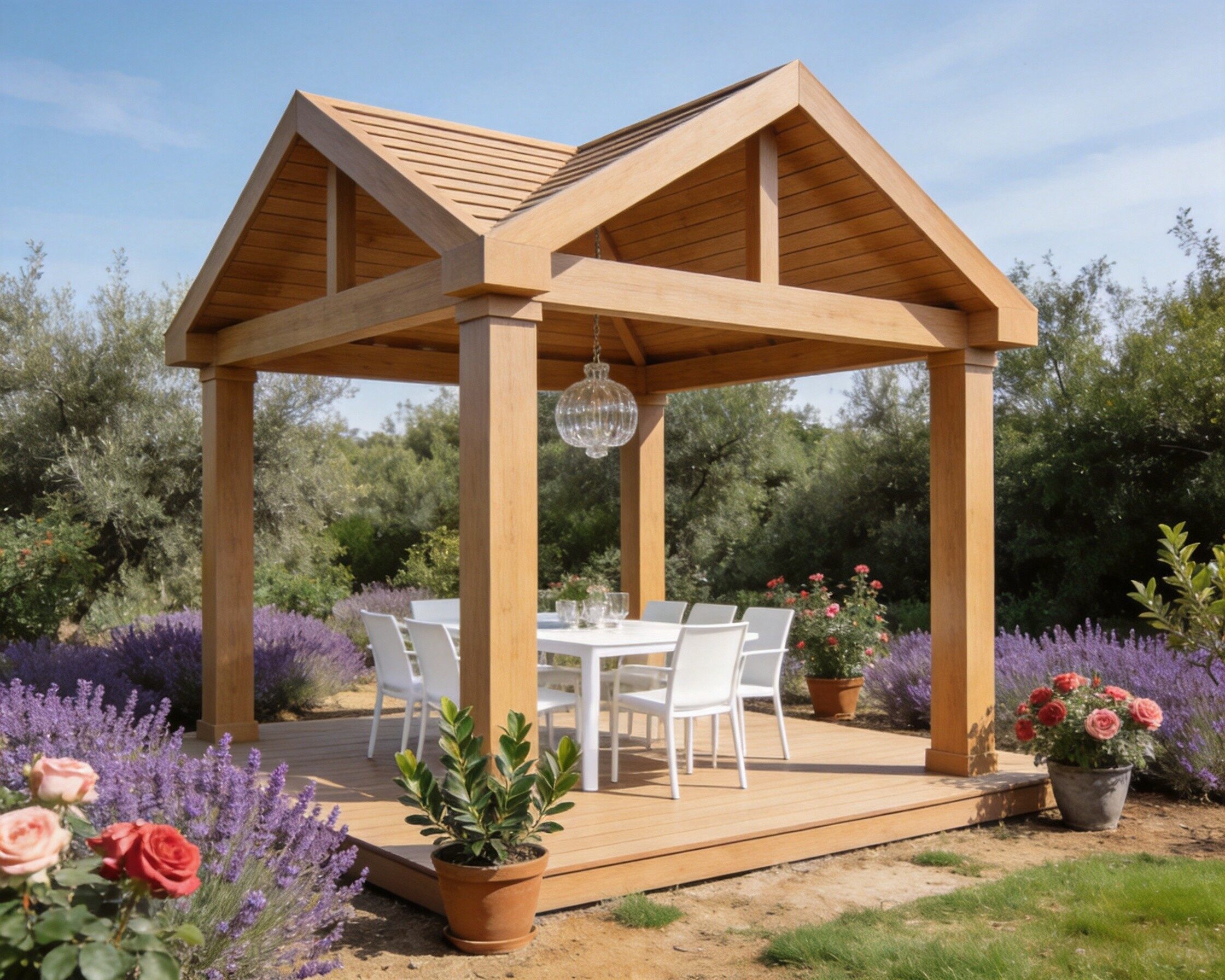
Modular Aluminium PVC Pergola | Patio Cover Weather Protection System
$2.78 - $17.9 per sqm
View Details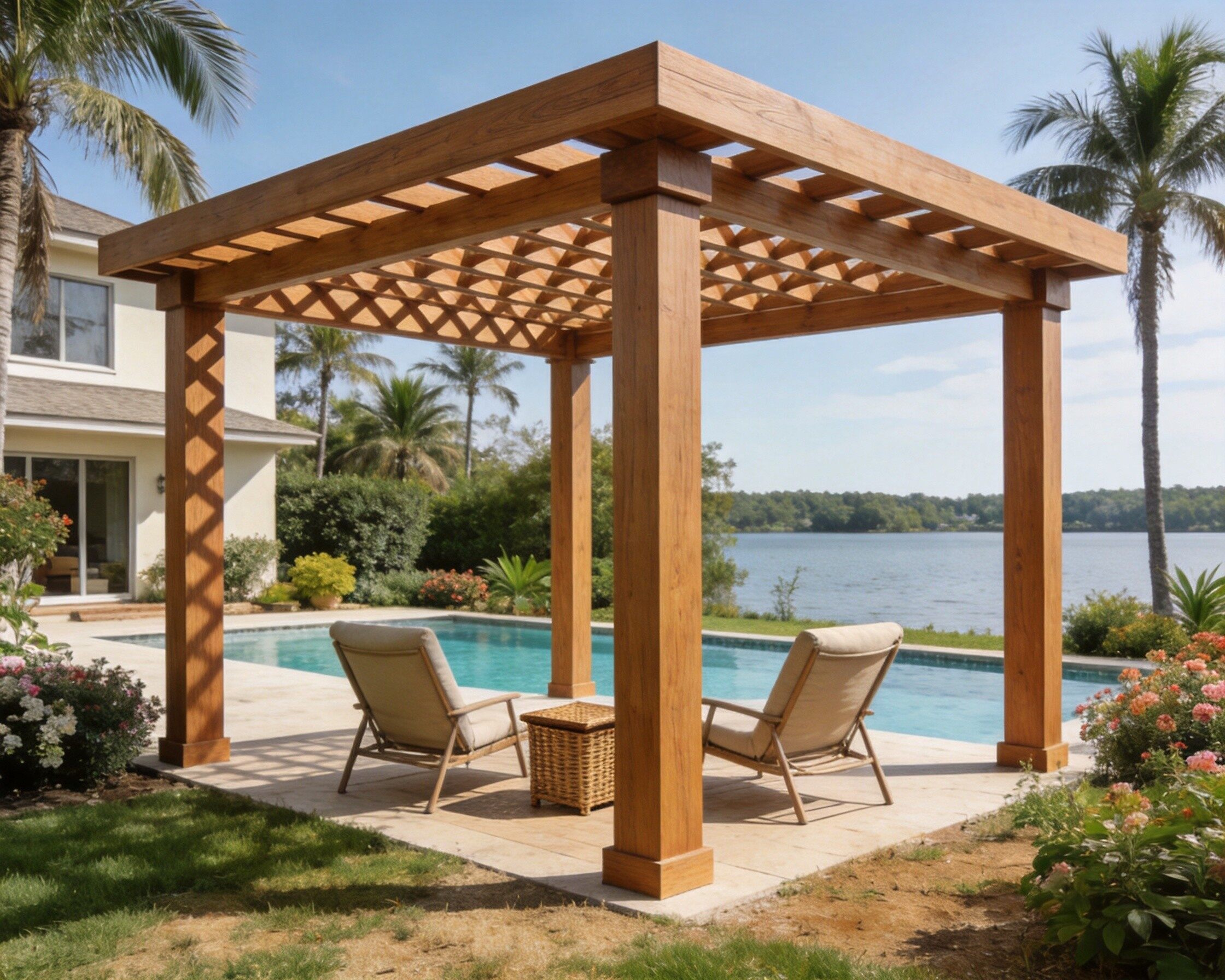
Modern Minimalist WPC Pergola | Garden Pavilion Focal Point Structure
$1.78 - $11.9 per sqm
View DetailsReady to Start Your Project?
Contact us today for a competitive quote and professional consultation
Contact Us Now