
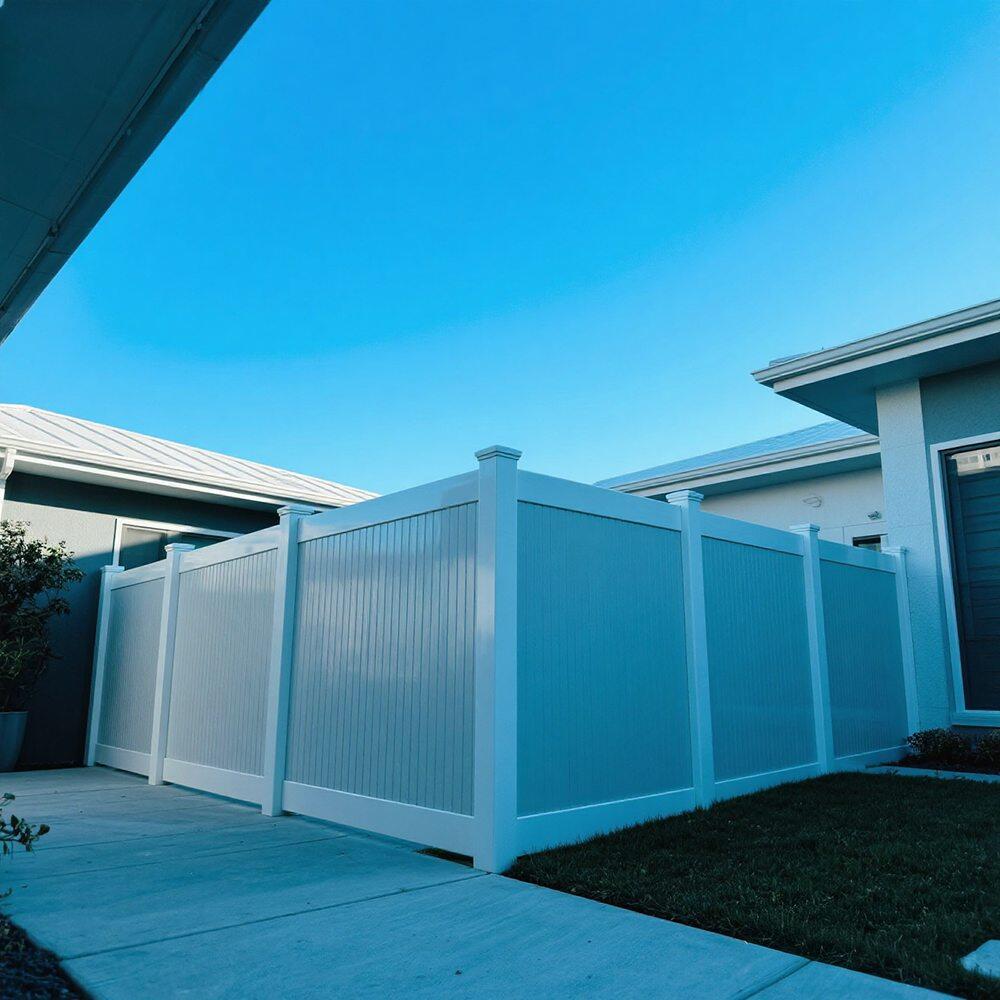
UV-Resistant Privacy PVC Wall Cladding | Garden Fence Wall Outdoor Screen
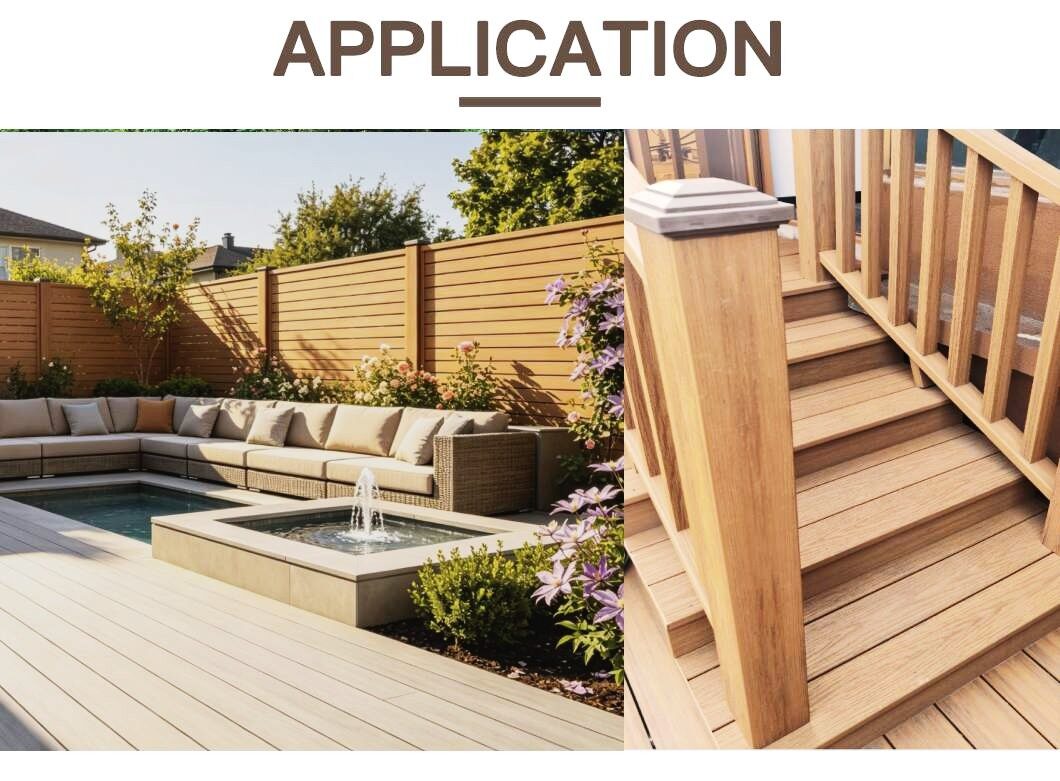
Material: High-density co-extruded PVC composite; Spec: 2900×156×12mm; Surface: 3D embossed wood grain; Feature: 100% waterproof, UV-resistant, anti-termite; Scenario: garden fence wall; Benefit: Durable, low-maintenance outdoor privacy screen with premium decorative aesthetics
MOQ: 99 sqm
Key Features
- Waterproof & Moisture-proof
- Anti-corrosion & Anti-termite
- UV Resistant & Fade Resistant
- Low Maintenance & Easy Clean
- Eco-friendly & Recyclable
- Long Service Life
Product Details
Here is what nobody tells you about traditional wood or metal garden fences: they look fantastic on day one. Six months later? You are looking at rot, rust, or a sun-bleached mess. We have seen this play out with dozens of contractors and homeowners. They want a garden fence wall that actually blocks the neighbors' view without needing a weekend repaint every single year.
That is exactly why we engineered this specific PVC wall cladding. It is not just a generic exterior panel. It is built from the ground up to act as a high-performance outdoor privacy screen. Let us be honest, creating a true garden fence wall takes materials that can handle real-world abuse.
Why This PVC Cladding Works for Garden Fence Walls
Look, a garden fence wall takes a beating. The bottom three inches are constantly splashed with mud, fertilizer, and rain. The top faces direct, unforgiving sunlight all afternoon. Most materials fail at one or both of these extremes.
Our co-extruded PVC handles this beautifully because the core is solid and the cap layer is pure ASA. It does not absorb water. Period. And the UV resistance? We are talking Grade 4-5. It holds its color season after season. You get the visual warmth of a wood fence without the biological decay. We have exported this exact profile to over 50 countries, and the feedback from harsh climates is consistently positive.
Key Features for Your Fence Project
True Privacy Density: Unlike spaced picket fences, these panels interlock tightly. There are no gaps. You get 100% visual blockage for your garden fence wall.
ASA Co-extrusion Cap: The outer shield is pure ASA polymer. This is what gives it the UV resistance. It prevents the chalky fading you see on cheap vinyl.
Hidden Fastener System: The clips tuck behind the tongue. This means no ugly screw heads ruining the aesthetic of your outdoor privacy screen.
Lightweight but Rigid: At 12mm thick, it is easy for a two-person crew to handle, but the internal ribbing keeps it from bowing in high winds.
B1 Fire Rating: Safety matters, especially in dry summer months. It self-extinguishes, giving you peace of mind around outdoor fire pits.
The Real-World Installation Experience
Installing wall cladding vertically for a fence is a bit different than horizontal siding. You need to account for wind load. Generally speaking, we recommend galvanized steel posts spaced about 1.5 meters apart. Do not skimp on the posts. The PVC panels themselves are tough, but a fence needs a solid skeleton to stand up to storms.
From what we have installed, it takes about 2-3 days for a standard 50-meter fence line if you have a two-person crew. That is roughly 20% faster than hanging individual timber pickets. The hidden clip system speeds things up significantly. Just make sure your first row is perfectly level. If the bottom row is off, the whole garden fence wall will drift.
Let Us Be Honest About the Downsides
It is not perfect. The one downside we see fairly often is thermal expansion. PVC moves with temperature. If you butt the panels tight together in winter, they will buckle in July. Always leave a 3-5mm gap at the ends. It depends on your local climate, but never skip the expansion gap.
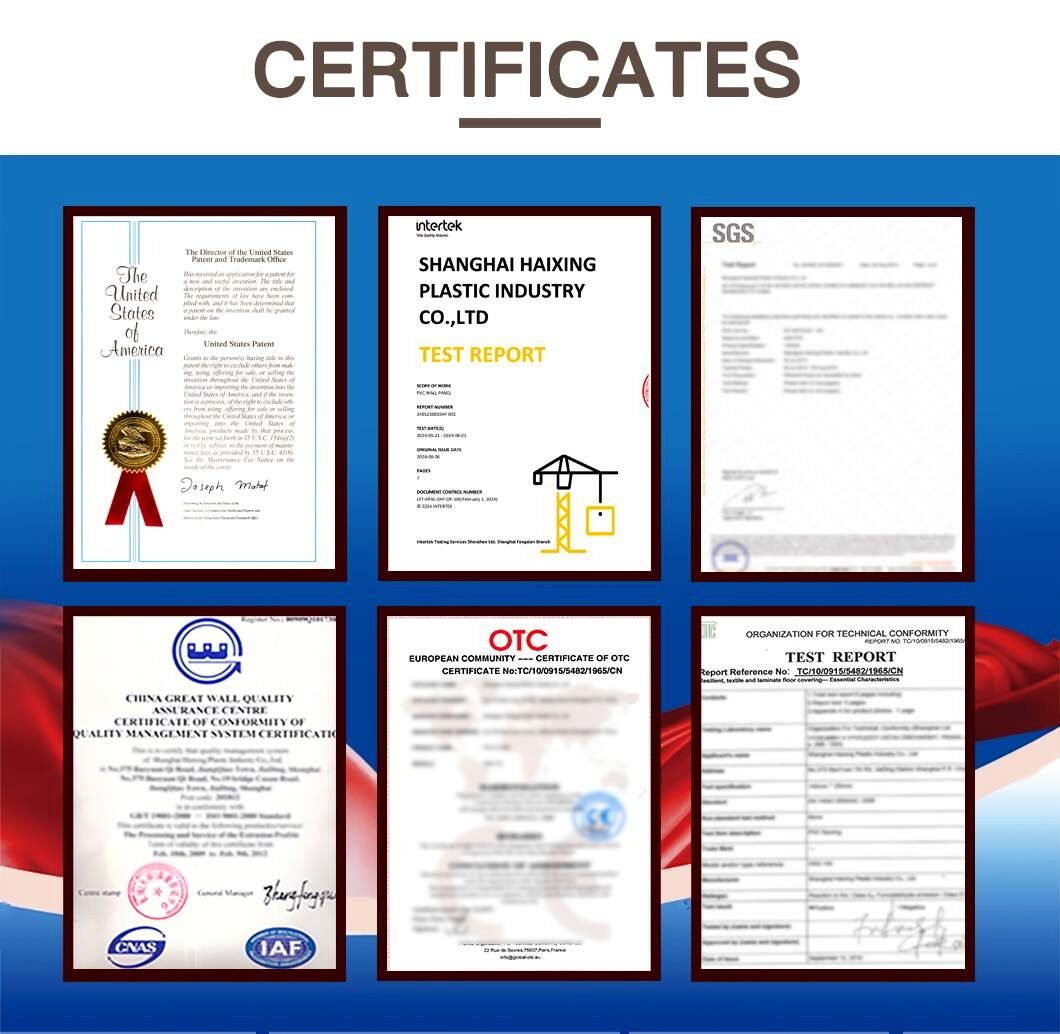
Also, it is roughly 15-20% more expensive upfront than basic pressure-treated pine. But realistically, when you factor in zero maintenance, no painting, and a 25-year warranty, the lifetime cost is way lower. There is no one-size-fits-all solution, but for long-term value, this wins.



FAQs About Garden Fence Wall Cladding
Can I cut these panels to fit sloped garden edges?
Yes. Standard carbide-tipped blades work fine. Just cut from the back side to prevent any surface chipping on the embossed grain.
Will it get hot in direct summer sun?
Darker colors absorb more heat, naturally. We usually recommend the lighter wood-grain tones for full-sun fence walls. It stays warm, but not burning hot.
How do I clean bird droppings or mud off the fence?
Just soap and water. A soft brush is all you need. No power washing required, which actually saves you from accidentally damaging the surface texture.
Frequently Asked Questions
Related Products
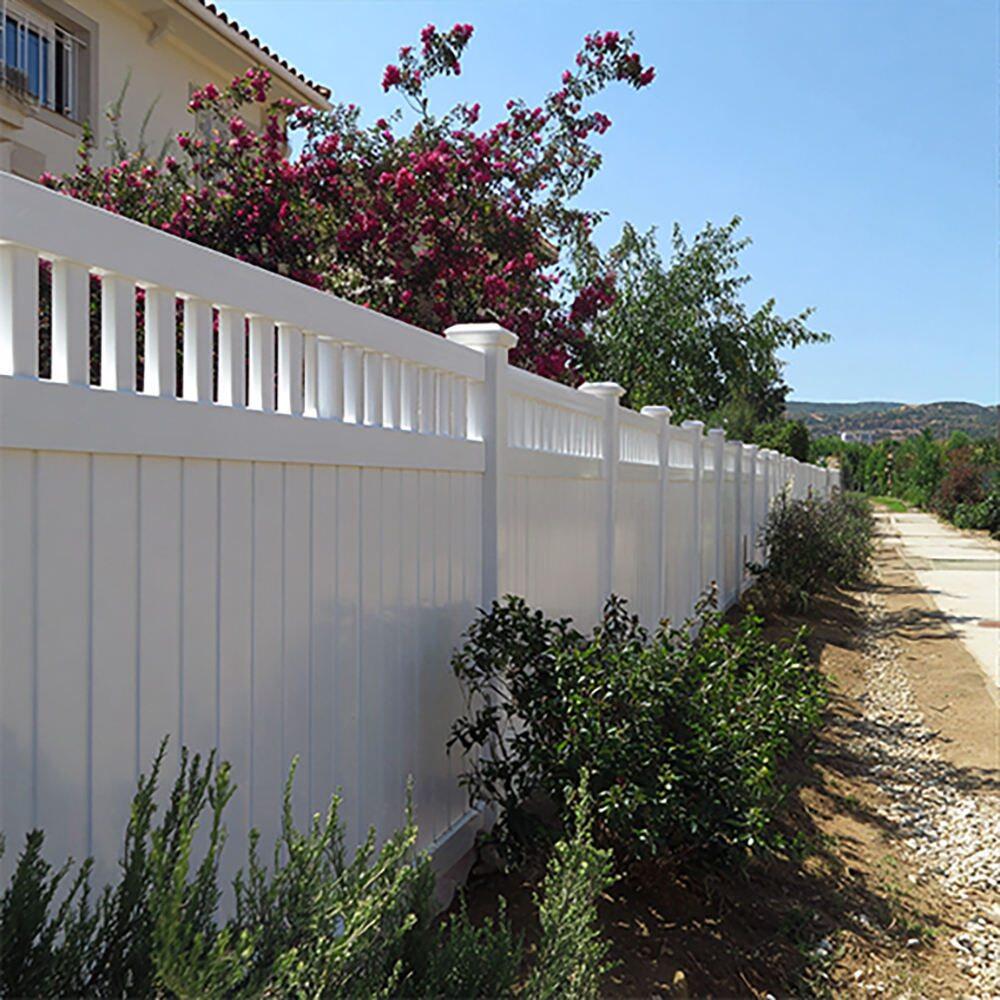
Full Height WPC Fence | Backyard Privacy Complete Seclusion Solution
$2.50 - $18.00 per sqm
View Details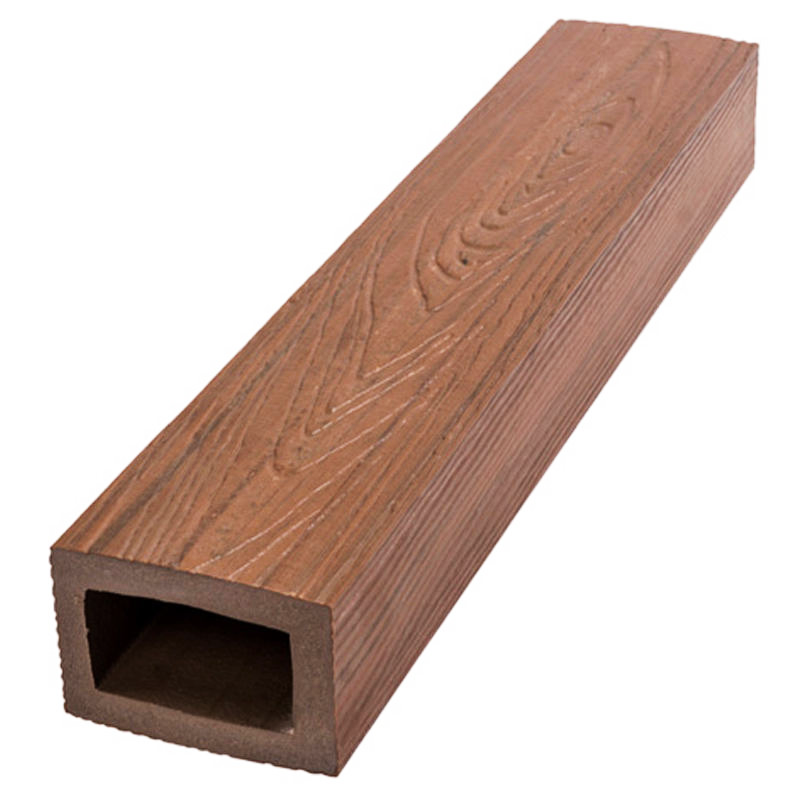
Safety Tempered Glass WPC Fence | Deck Railing Unobstructed View Edge
$2.69 - $17.9 per sqm
View DetailsReady to Start Your Project?
Contact us today for a competitive quote and professional consultation
Contact Us Now