
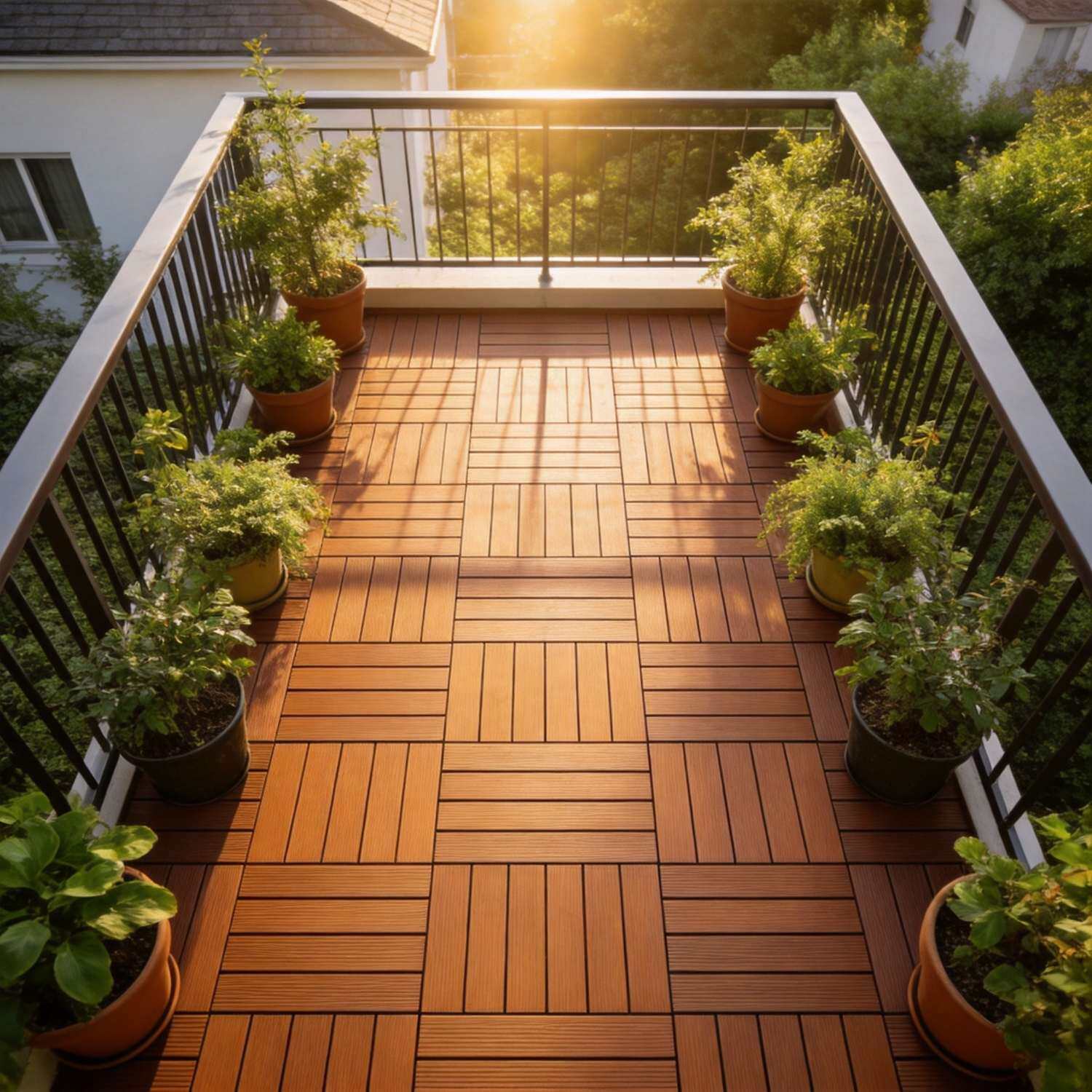
Code-Compliant WPC Fence | Balcony Balustrade Safety Protection
Material: Co-extruded WPC with ASA polymer cap; Spec: 150×22mm hollow profile; Surface: 3D embossed wood grain; Feature: Code-compliant load-bearing, UV-resistant, zero-maintenance; Scenario: Balcony balustrade and elevated railing; Benefit: Safe, durable, and private balcony protection for residential and commercial high-rises
MOQ: 100 sqm
Key Features
- Waterproof & Moisture-proof
- Anti-corrosion & Anti-termite
- UV Resistant & Fade Resistant
- Low Maintenance & Easy Clean
- Eco-friendly & Recyclable
- Long Service Life
Product Details
Why This WPC Fence Is Perfect for Balcony Balustrade
Last month, a contractor in Florida called us in a panic. His crew had just installed traditional wood balcony railings for a multi-unit build, and the city inspector failed them. Not for structural reasons, but because the wood spacing didn't meet the 4-inch sphere code, and he was looking at a massive tear-down. It’s a headache we see all the time.
That’s exactly why we engineered our WPC fence system specifically for balcony balustrades. It takes the guesswork out of code compliance while giving residents the privacy and protection they actually want.
Let's be honest. Balconies are brutal environments. You’ve got relentless UV exposure, driving rain, and temperature swings that make materials expand and contract like crazy. Historically, you had three choices: wood (rotts, needs constant staining), metal (rusts, gets hot to the touch), or glass (expensive, shows every fingerprint, and shatters if hit).
Our co-extruded WPC fence panels change that dynamic. We’re not just talking about slapping a fence on a deck. We’re talking about a dedicated balcony balustrade system designed to handle high-wind uplift and strict safety codes. The hollow profile design keeps the weight down—crucial for cantilevered balconies—while the internal ribbing ensures it meets the 200-pound concentrated load requirement. You get the aesthetic warmth of wood without the 15-year cycle of sanding and sealing.
Key Features for Balcony Balustrade
Code-Compliant Load Bearing: This is the big one. Our panels are engineered to withstand a 200 lbs concentrated load and meet the 4-inch sphere rule for spacing. No more failing inspections.
ASA Co-Extruded Shield: We wrap the core in an ASA polymer cap. It pushes UV resistance to Grade 4-5. Frankly, most standard WPC fades after 5 years in direct sun. This stuff won't.
B1 Fire Rating: When you're building elevated structures, fire safety isn't just a suggestion. Our composite passes the B1 fire rating, giving architects and building owners serious peace of mind.
Hidden Fastener System: No visible screws on the face of your balustrade. It creates a clean, uninterrupted sightline from the street, which is exactly what modern architectural designs demand.
Wind-Permeable Design: Unlike solid glass or wood, our spaced picket design allows wind to pass through. This drastically reduces the lateral wind load on your balcony's structural anchors.
Benefits of WPC in Balcony Balustrade Applications
Here’s what we’ve noticed from the projects we supply. When you use this for a balcony balustrade, it completely changes how the space is used.
Residents actually want to use their balconies. But if they can see their neighbor's AC unit, or if the railing feels flimsy, they just store boxes out there. Our WPC fence provides genuine balcony protection. It creates a private oasis.
From a property management perspective, it’s a game-changer. We usually tell commercial clients to expect a 25-year warranty, but realistically, in harsh coastal climates, you're looking at a solid 15-20 year lifespan before any aesthetic degradation. That’s roughly 30% longer than traditional pressure-treated pine in the same conditions. Plus, it’s zero maintenance. A quick rinse with a hose twice a year is all it takes.
Installation Tips for Balcony Balustrade Projects
Look, installing a balcony railing is different from a ground-level fence. You’re working at heights, and the substrate is usually concrete or steel, not dirt.
First, you need a solid subframe. We highly recommend using galvanized steel or aluminum square tubing for the posts. Don't try to mount the WPC panels directly to the concrete curb without a metal frame—it just doesn't give you the structural rigidity needed for code compliance.
Second, pay attention to thermal expansion. WPC moves. If you butt the panels tight against each other or the wall on a hot day, they’ll buckle when the temperature drops. Leave a 3-5mm gap at the ends.
Finally, use our specialized stainless steel hidden clips. They lock the board to the metal subframe while allowing for that natural expansion. It takes a bit more precision than nailing wood, but the finished look is flawless.
FAQs About Balcony Balustrade WPC Fencing
Can this WPC fence be used for the entire height of a second-story balcony?
Yes, but it depends on your local building codes. Typically, residential balcony railings need to be 36 to 42 inches high. Our panels can be stacked or custom-milled to reach those heights. Just ensure your steel post subframe is anchored properly to handle the leverage at the top.
How does it handle high-rise wind loads?
This is where the spaced picket design shines. Because it's not a solid wall, wind passes right through it. We've supplied this for projects up to 15 stories. For extreme wind zones, we just recommend closer post spacing—say, 4 feet on center instead of 6 feet.
Is it really cheaper than glass balustrades?
Upfront, yes. A frameless glass balcony railing system can cost roughly 2 to 3 times more per linear foot than our WPC system, maybe $150-$200 per foot for glass versus $50-$60 for WPC. But the real savings are in maintenance. Glass needs constant cleaning to look good; WPC just needs to exist.
What if the color fades after a few years?
It won't. That’s the whole point of the ASA co-extrusion. We back it with a 25-year warranty against severe fading and staining. We’ve tested it in accelerated weathering chambers for over 4,000 hours. It holds its color.
Frequently Asked Questions
Related Products
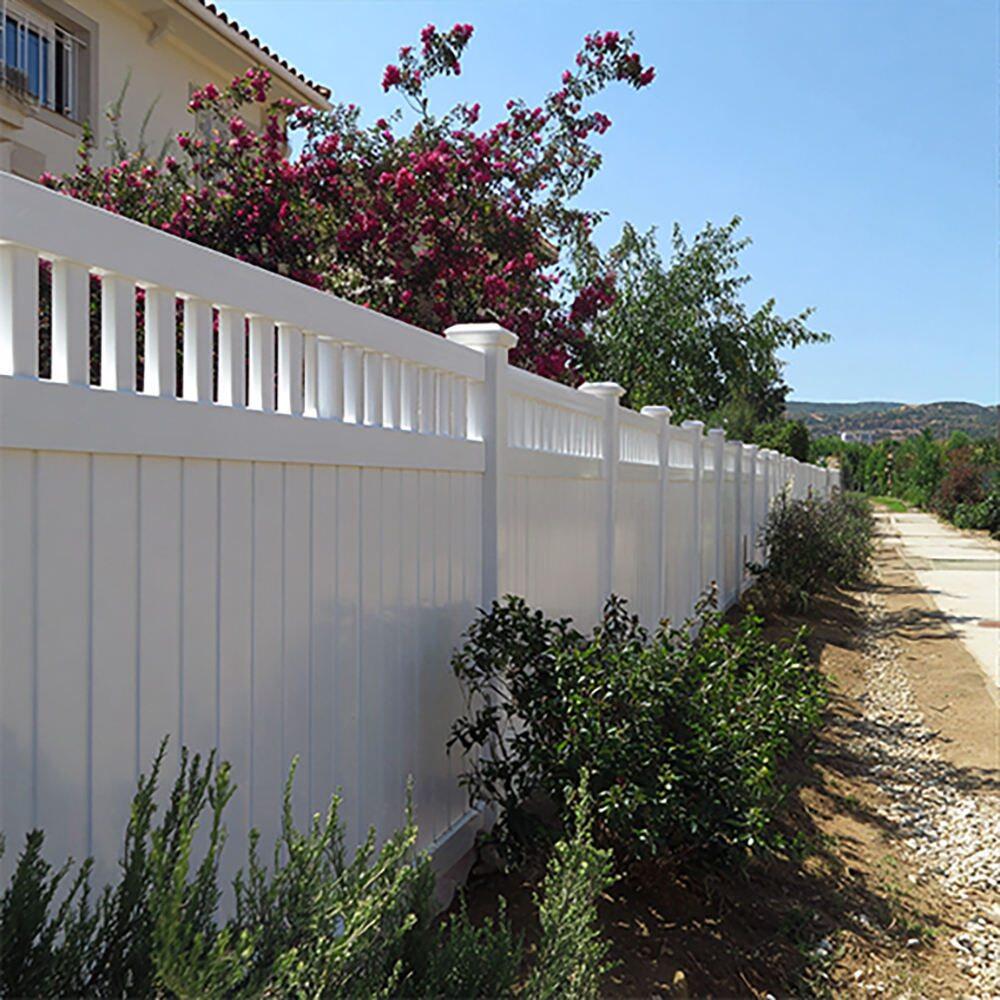
Full Height WPC Fence | Backyard Privacy Complete Seclusion Solution
$2.50 - $18.00 per sqm
View Details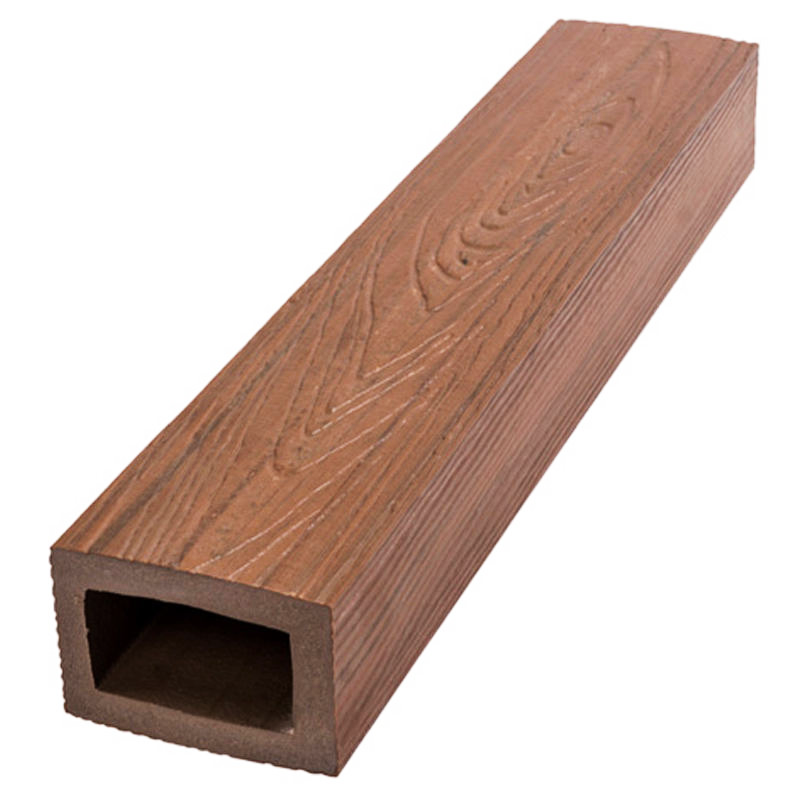
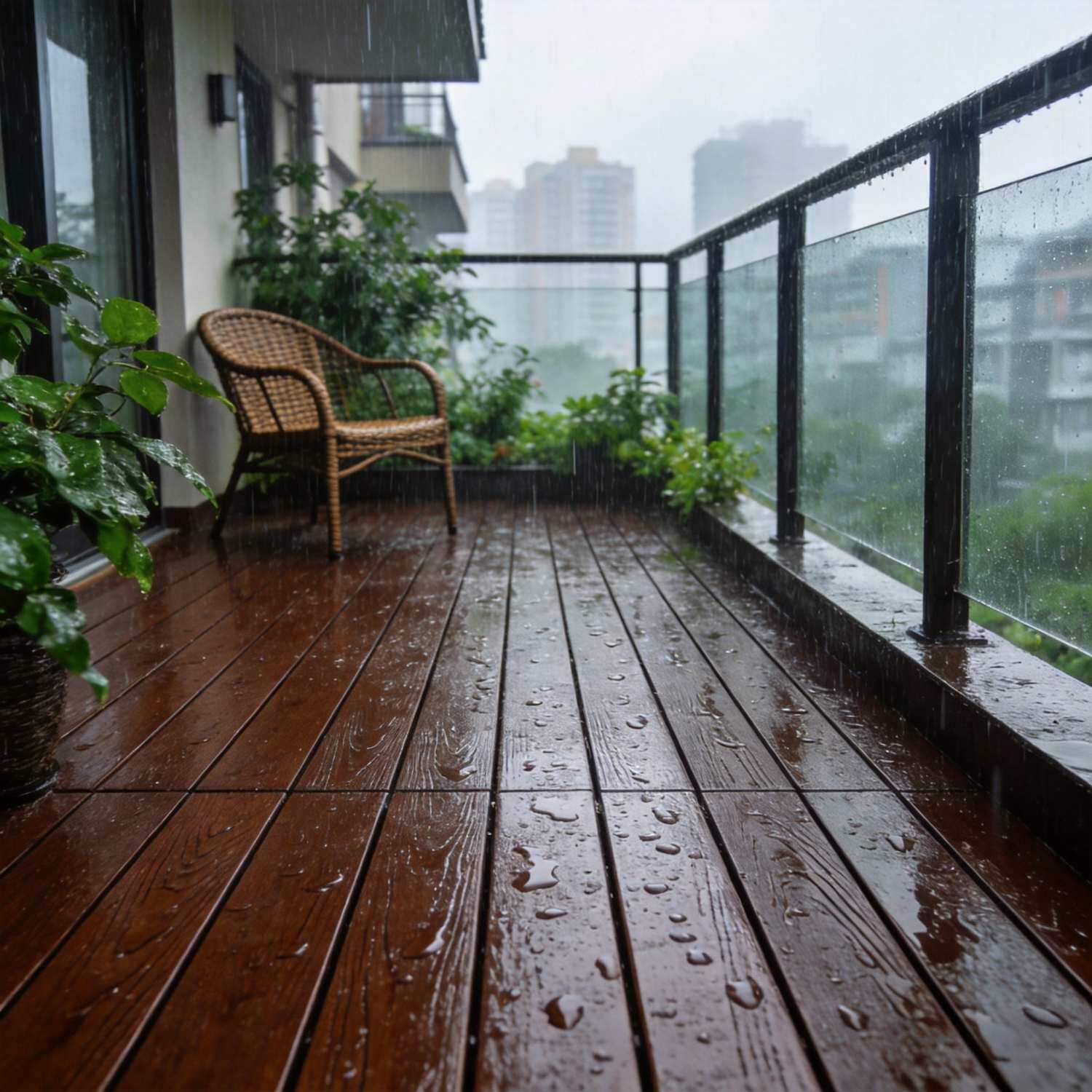
Safety Tempered Glass WPC Fence | Deck Railing Unobstructed View Edge
$2.69 - $17.9 per sqm
View Details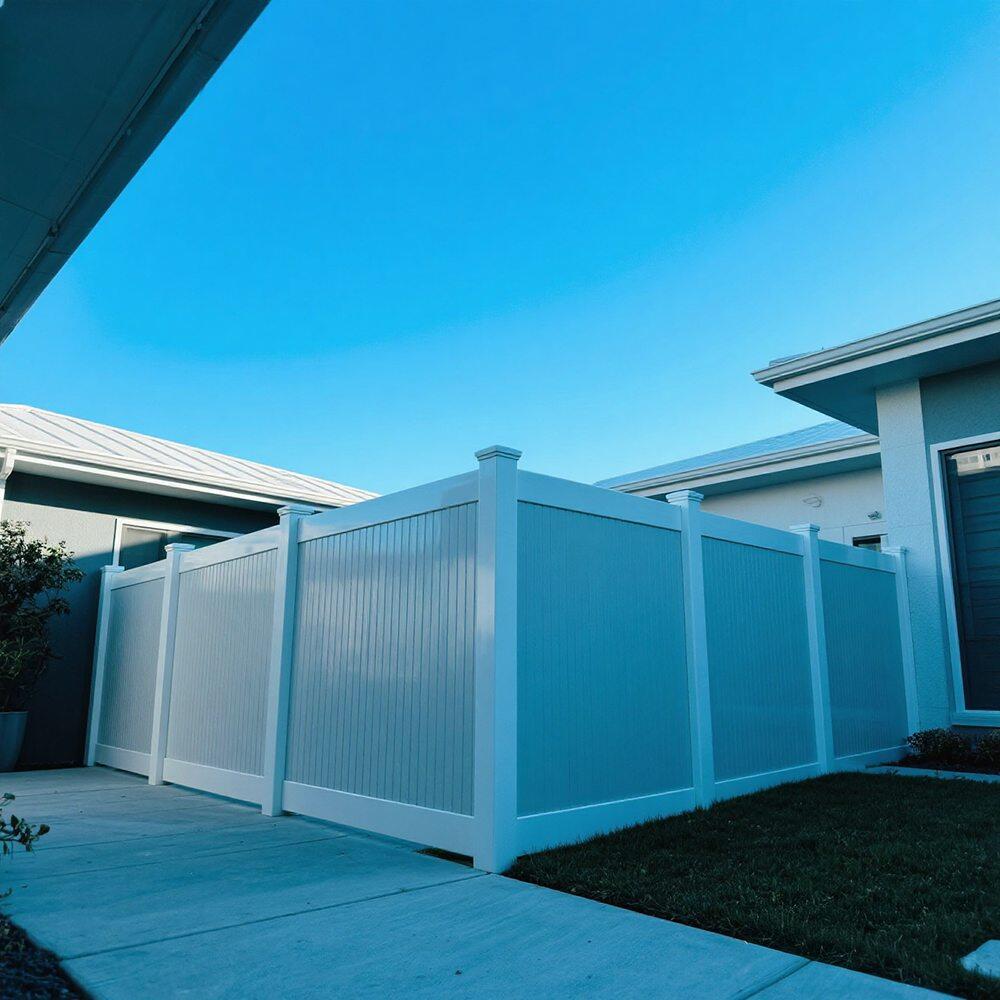
Ready to Start Your Project?
Contact us today for a competitive quote and professional consultation
Contact Us Now