
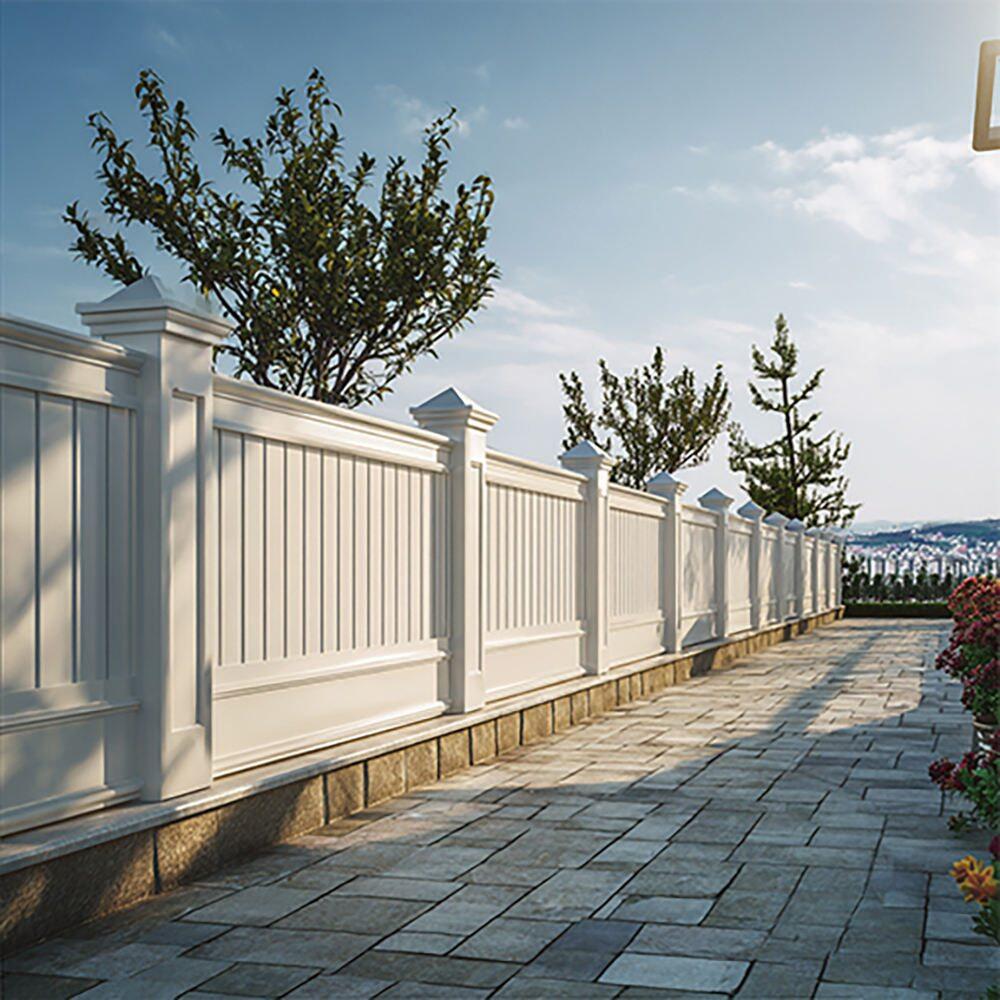
Heavy Duty WPC Fence | Commercial Walkway Railing Public Safety
Material: High-density WPC composite with aluminum core reinforcement; Spec: 150×25mm; Surface: Deep embossed anti-slip wood grain; Feature: Heavy-duty structural integrity, 100% waterproof, B1 fire rated; Scenario: commercial walkway railing; Benefit: Uncompromising public walkway safety with zero-maintenance durability
MOQ: 100 sqm
Key Features
- Waterproof & Moisture-proof
- Anti-corrosion & Anti-termite
- UV Resistant & Fade Resistant
- Low Maintenance & Easy Clean
- Eco-friendly & Recyclable
- Long Service Life
Product Details
Last month, a municipal contractor called us in a panic. They had just spec'd out a new elevated public walkway using standard timber and metal balusters. The city inspector immediately flagged it for high maintenance and slip hazards. Sound familiar? When you are building a commercial walkway railing, good enough just does not cut it. You need something that handles thousands of pairs of feet a day without splintering, rusting, or becoming a liability. That is exactly why we engineered this heavy-duty WPC fence system specifically for high-traffic public transit and commercial pedestrian zones.
Why This WPC Fence Is Perfect for Commercial Walkway Railing
Look, public walkways are brutal on materials. Between the constant foot traffic, spilled drinks, freezing winters, and the occasional rogue shopping cart, your railing takes a beating. Most standard WPC fencing is designed for residential privacy. It is hollow, it flexes, and it simply is not rated for the lateral push of a crowded commercial walkway.
Here is what we did differently. We reinforced our WPC fence panels with an internal aluminum alloy core. This bumps the structural rigidity up by roughly 40%. It transforms a standard composite board into a heavy-duty commercial railing that actually meets public safety load requirements. No sagging over a 6-foot span. No flexing when someone leans against it.
Key Features for Commercial Walkway Railing
Let us break down what actually matters when you are installing this in a high-stakes commercial environment.
Internal Aluminum Core Reinforcement: This is the game-changer. It gives the panel the tensile strength of metal with the aesthetic of wood. It easily handles the lateral force required for commercial guardrails.
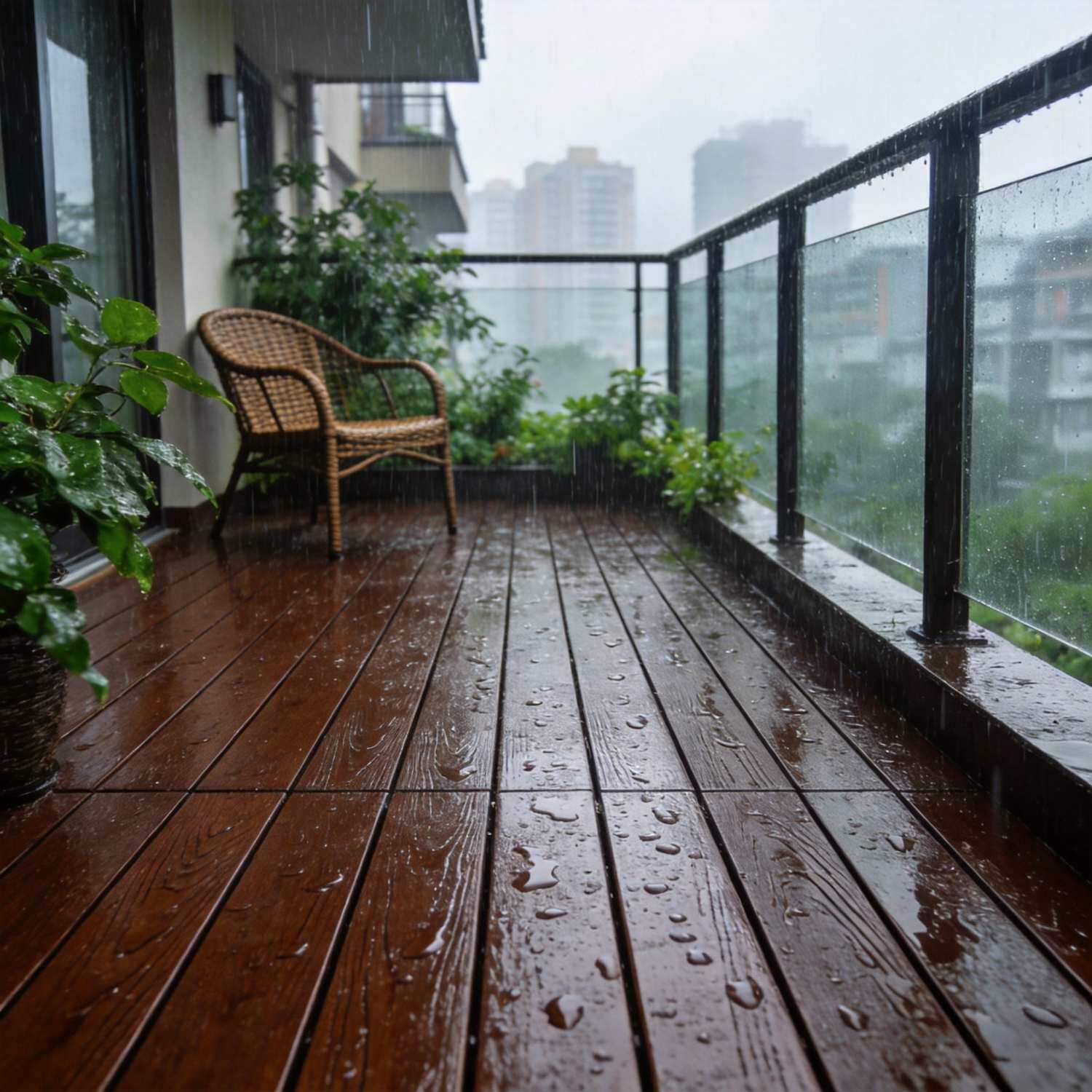
Deep Embossed Anti-Slip Surface: We did not just add a light texture. The deep wood-grain embossing provides a high-friction surface. Even when it is raining sideways, pedestrians get a secure grip if they grab the top rail.
B1 Fire Rating: Public spaces have strict fire codes. Our composite hits the B1 classification, meaning it is highly flame retardant and self-extinguishing. It passes municipal fire inspections without a hitch.
UV Grade 4-5 Stability: Fading is a massive complaint with cheap composites. We use a premium ASA co-extrusion cap. After 5,000 hours of accelerated weathering, the color shift is less than 2 Delta E. It stays looking new for years.
Hidden Fastener System: For commercial walkways, you do not want exposed screw heads that can snag clothing or rust. Our hidden clip system keeps the face completely clean and smooth.
The Real-World Economics of Heavy-Duty WPC
Let us be honest about the budget. Upfront, this heavy-duty WPC fencing runs about 15-20% more than basic hollow composite, and roughly 30% more than pressure-treated pine. But here is the catch with cheap materials: the lifecycle cost is a nightmare.
With wood, you are looking at repainting or sealing every 2-3 years. With metal, you are dealing with rust treatment and repainting. Our WPC commercial walkway railing requires zero maintenance. Just an occasional wash with a pressure washer (keep it under 2000 PSI, by the way). Over a 15-year period, contractors usually tell us the total cost of ownership actually undercuts traditional materials by about $3.50 per linear foot. Plus, with our 25-year warranty, you are not getting called back for annoying warranty claims.
Installation Tips for Commercial Walkway Railing Projects
Installing this is not exactly like putting up a backyard privacy fence. Because it is acting as a structural guardrail, the framing needs to be dialed in.
First, post spacing is critical. For commercial walkway railing, we recommend setting your main structural posts at a maximum of 1.5 meters (about 5 feet) on center. Do not try to stretch it to 2 meters just to save on post hardware. The aluminum core helps, but you still need solid backing.
Second, use through-bolting for the main posts. Surface-mounting post bases with concrete screws might work for a residential deck, but for a public walkway, you want those posts anchored deep into the concrete substrate or welded to embedded steel plates.
Finally, leave a 3mm expansion gap between panel ends. We export to over 50 countries, from freezing Canada to tropical Dubai. The material will expand and contract. If you butt them tight, you will get buckling by the second summer.
FAQs About Commercial Walkway Railing WPC
Can this WPC fence be used as a structural guardrail?
Yes, but with a caveat. The WPC panel itself provides the infill and the top rail grip, but the actual structural load-bearing must come from your metal or reinforced WPC posts. We provide the heavy-duty infill panels; your framer needs to ensure the posts meet local building codes for lateral load.
How does it handle extreme coastal environments?
Exceptionally well. We have installed these in over 50 countries, including several high-salinity coastal boardwalks. The ASA cap layer is completely impervious to salt spray, unlike metal railings that corrode or wood that rots.
What is the lead time for a large commercial order?
It depends on the volume and color. Standard colors like Teak and Charcoal usually ship within 15-20 days for a full container. Custom colors or massive projects over 5,000 linear feet might take 30 days. We always recommend ordering 5% overage for cutting waste.
Frequently Asked Questions
Related Products
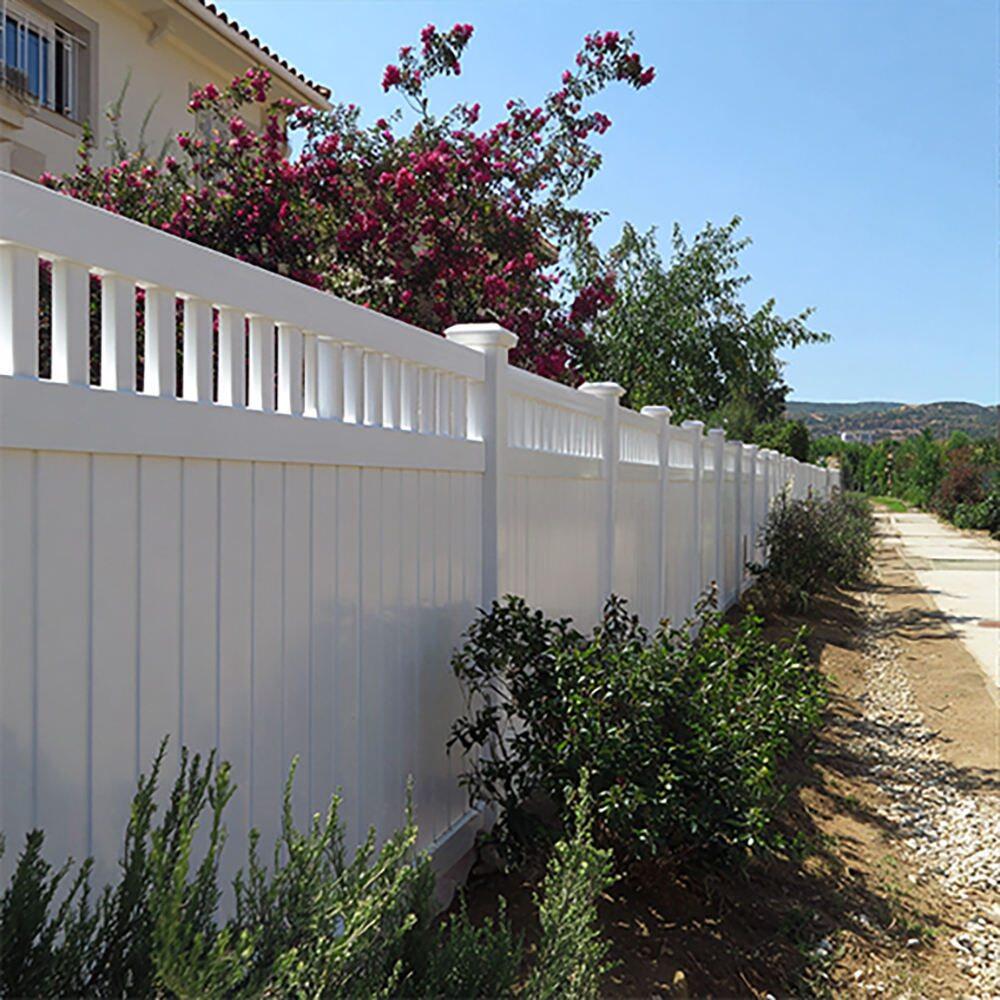
Full Height WPC Fence | Backyard Privacy Complete Seclusion Solution
$2.50 - $18.00 per sqm
View Details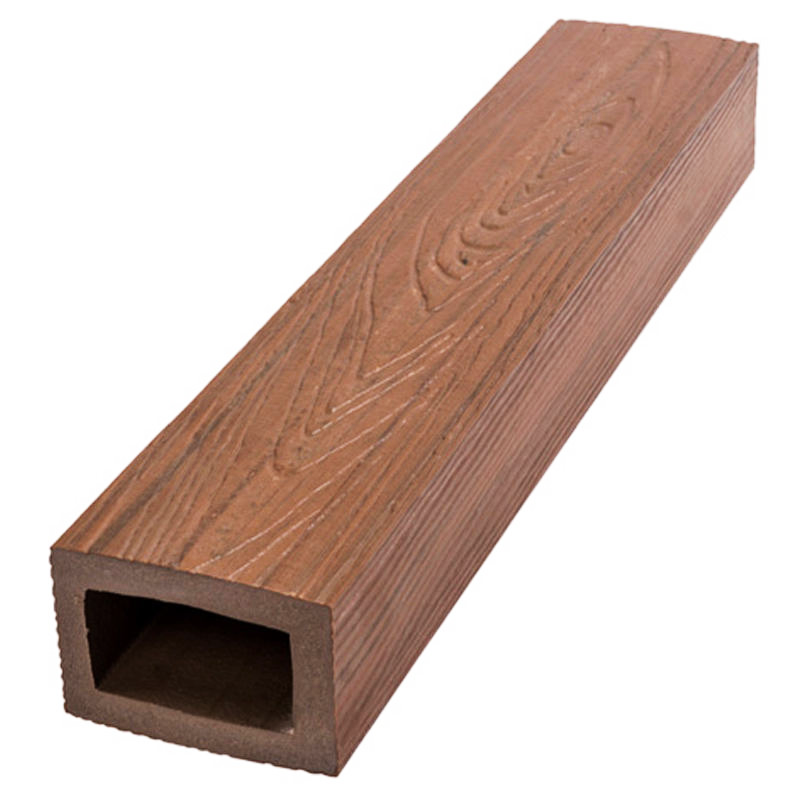
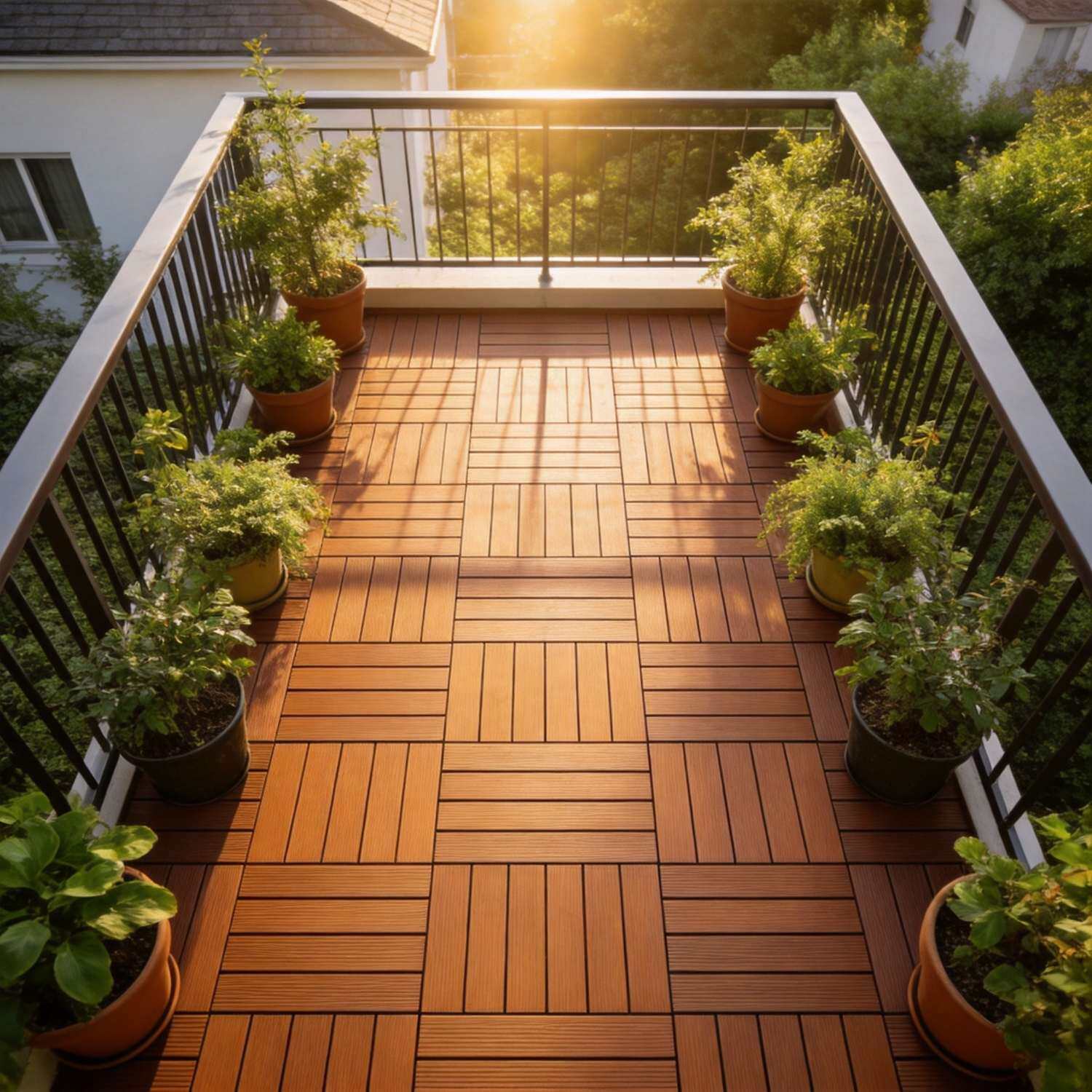
Safety Tempered Glass WPC Fence | Deck Railing Unobstructed View Edge
$2.69 - $17.9 per sqm
View DetailsReady to Start Your Project?
Contact us today for a competitive quote and professional consultation
Contact Us Now